
🛡️ Mushroom Safety, Identification & Microscopy UK
Explore mushroom identification safety, UK species awareness, microscopy education, spore print workflows, and responsible mycology learning through this structured SporeBuddies knowledge hub. This page is designed to help readers approach fungi with curiosity, caution, and scientific thinking.
Correct mushroom identification is extremely important because some species can look similar while carrying very different biological properties or risks. This educational hub combines beginner-friendly identification awareness with microscopy, spore print education, glossary resources, and UK-focused safety guidance.
Start Here: Safe Mushroom Identification & Study
Mushroom identification should always be approached carefully. Beginners are often surprised by how many species can appear visually similar in shape, colour, habitat, or growth pattern. That is why responsible identification combines multiple observation methods rather than relying on a single visual feature.
This hub helps readers understand the relationship between field observation, microscopy, spore prints, species awareness, and safety-focused mycology education within a UK context.
Jump to Identification Safety →
Jump to Microscopy Workflows →
Jump to Glossary Learning →
Featured Mushroom Safety & Microscopy Guides
These educational guides form the core of the SporeBuddies mushroom safety and microscopy knowledge centre, covering identification awareness, spore prints, microscopy workflows, and UK-focused mycology learning.
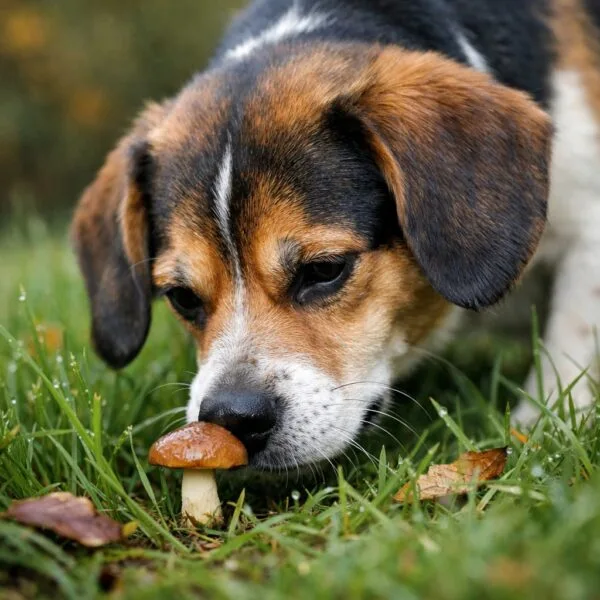
Mushroom Identification Safety 2026
Learn why careful identification matters and why assumptions about wild mushrooms can create serious safety risks.
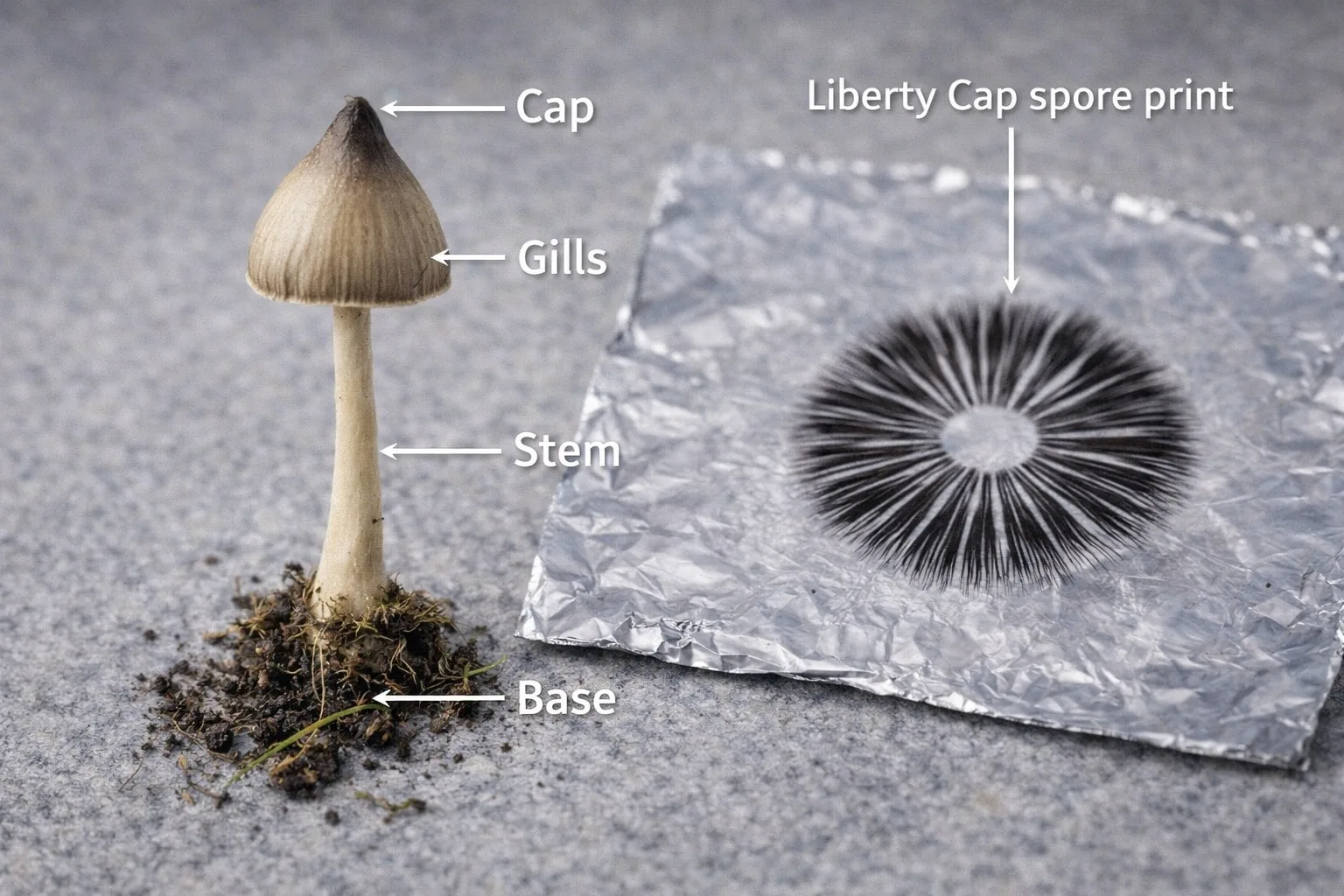
Liberty Caps vs Lookalikes (UK Guide)
Understand why visually similar mushroom species require careful comparison and responsible identification practices.
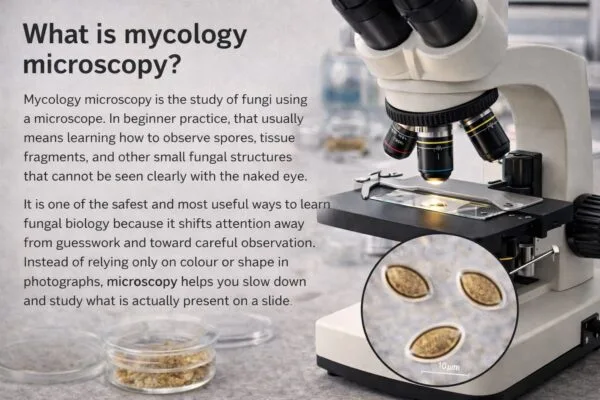
Beginner Guide to Mycology Microscopy
Explore microscopes, observation methods, spore study, and beginner-friendly fungal microscopy workflows.
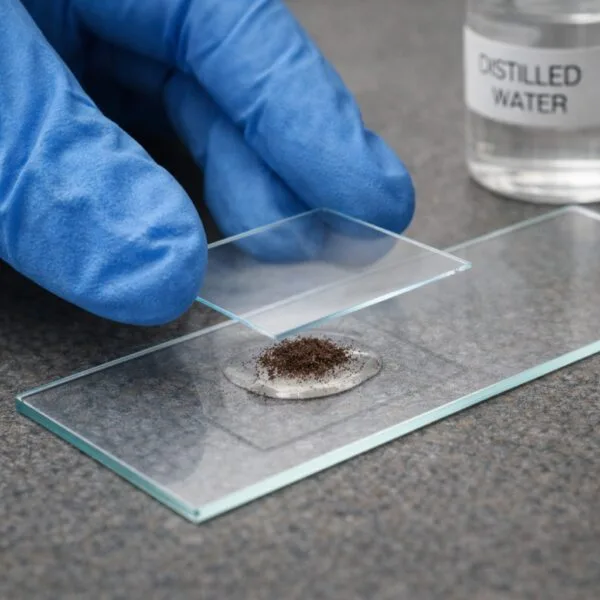
Spore Print to Slide Workflow
Learn how spore prints can be transferred onto slides for educational microscopy observation and study.
Mushroom Identification & UK Safety Awareness
Responsible mushroom identification begins with recognising uncertainty. Many fungi can share similar colours, cap shapes, habitats, or seasonal growth patterns, which means visual similarity alone is not enough for confident identification.
Educational identification guides should encourage observation, comparison, note-taking, spore print analysis, microscopy awareness, and caution rather than overconfidence. This is especially important in the UK, where many readers first encounter mushrooms through parks, woodland, grassland, or online discussions.
Why lookalike awareness matters
Some mushroom species have close visual lookalikes, especially when viewed quickly or under poor conditions. Educational comparison guides help readers understand which features require closer observation, including cap shape, stem texture, habitat, bruising reactions, spore colour, and growth patterns.
Understanding “Magic Mushroom” Identification in the UK
Searches relating to “magic mushroom” identification are extremely common online, especially during UK autumn growing seasons. However, educational content in this area should prioritise safety, legal awareness, and careful species distinction rather than encouraging risky behaviour.
Identification-focused resources are most useful when they explain uncertainty, lookalike risk, species variation, habitat differences, and legal context rather than presenting oversimplified certainty.
Microscopy, Spore Prints & Observation Workflows
Microscopy allows readers to study fungal structures beyond what is visible to the naked eye. Combined with spore prints and careful observation, microscopy becomes part of a broader educational workflow used in mycology learning and fungal study.
Spore prints are especially valuable because they help reveal spore colour and distribution patterns. When combined with microscopy, readers can begin exploring spore shape, density, arrangement, and other microscopic features.
Common Observation Tools
- Compound microscope
- Glass slides
- Spore print samples
- Notebook or photo record
- Coverslips and tweezers
- Controlled lighting
Good Mycology Habits
- Compare multiple features
- Keep observation notes
- Label samples clearly
- Separate facts from assumptions
- Study species carefully
- Prioritise safety and legality
Spore Prints Explained
A spore print is created by allowing mushroom spores to fall onto a surface over time, forming a visible pattern. Spore prints are widely used in mycology because spore colour can help support identification and species comparison discussions.
Different species may produce white, purple-brown, black, rust-coloured, pink, or other spore print variations. However, spore colour should be treated as one piece of evidence rather than a complete identification method on its own.
Glossary Learning & Mushroom Terminology
Mycology introduces readers to a wide range of specialised terminology. Words such as mycelium, spores, gills, bruising, hyphae, substrate, microscopy, and psilocybin often appear in educational mushroom discussions.
A glossary system helps beginners build familiarity with these terms gradually while improving their ability to interpret articles, research discussions, and identification resources more accurately.
Responsible Mushroom Education
Good mushroom education balances curiosity with caution. The internet contains large amounts of conflicting information about fungi, identification, effects, safety, and legality. Readers benefit most from structured educational resources that encourage evidence-based thinking.
For SporeBuddies, responsible education means prioritising observation, scientific reasoning, legal awareness, and safety-focused framing rather than sensational claims or risky shortcuts.
Related SporeBuddies Knowledge Hubs
Mushroom safety and identification naturally connect with microscopy, spore prints, strain comparison, mycology education, and legal-context learning. Continue exploring the wider SporeBuddies educational ecosystem below.
Mushroom Safety & Microscopy FAQs
Why is mushroom identification important?
Correct mushroom identification matters because visually similar species can have very different biological properties and safety risks.
What is a spore print?
A spore print is a visible deposit of spores left on a surface, often used in mycology to help study spore colour and support identification discussions.
Can microscopy help mushroom study?
Yes. Microscopy can help readers observe spores and fungal structures more closely as part of educational mycology workflows.
Are liberty caps easy to identify?
No. Many mushrooms can appear visually similar, which is why careful comparison and responsible identification practices are important.
Does SporeBuddies provide medical or legal advice?
No. SporeBuddies publishes educational mushroom and microscopy content only and does not provide medical or legal advice.
Continue Exploring Responsible Mushroom Education
SporeBuddies combines mushroom safety awareness, microscopy education, spore print workflows, species observation, glossary learning, and UK-focused mycology resources into one evolving knowledge ecosystem.
Explore the Full Knowledge Base
Make Reliable Agar Plates at 50–60°C for Students, Educators, and Hobbyists
Protocol for students, educators, and hobbyists: autoclave settings, 50–60°C pouring, 20–25 mL per 90 mm plate, plus troubleshooting and supply links.

Make Reliable Spore Prints in 4–12 Hours for Hobbyists
Make usable spore prints in 4–12 hours. Learn the exact steps, common fixes for faint or smeared deposits, and how to store prints for microscopy and long…
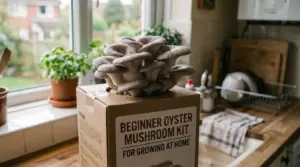
Best Mushroom Growing Kit for Beginners UK
Quick Answer For a first attempt at growing mushrooms in the UK, a ready-to-fruit oyster mushroom kit is the sensible choice. Oyster mushrooms tolerate typical