
🌱 Growing Mushrooms at Home
Explore beginner-friendly mushroom growing guides, indoor cultivation methods, grow bags, monotubs, substrate recipes, field capacity, lighting, common mistakes, and species-specific home growing education. This SporeBuddies hub is designed as a practical starting point for readers who want to understand mushroom cultivation clearly and confidently.
Mushroom growing can be simple or highly technical depending on the method, species, substrate, environment, and level of control involved. This hub brings the key learning pathways together so beginners can start safely while intermediate growers can deepen their understanding of substrate preparation, humidity, airflow, and fruiting conditions.
Start Here: Choose Your Mushroom Growing Path
Growing mushrooms at home becomes easier when the learning journey is organised properly. Some readers need a beginner overview first. Others want the easiest practical method, such as grow bags. More advanced readers may want to understand bulk substrate, field capacity, and indoor growing systems.
Jump to Beginner Foundations →
Jump to Grow Bags & Easy Methods →
Jump to Substrate Science →
Featured Growing Mushrooms at Home Guides
These guides are ordered to follow a natural learning journey: beginner setup, easy grow methods, common mistakes, substrate science, indoor growing conditions, species-specific cultivation, and larger grow systems.
Growing Mushrooms at Home
A beginner-friendly introduction to mushroom growing methods, equipment, terminology, and indoor cultivation basics.

Mushroom Grow Bags Explained
Understand how mushroom grow bags work, why they are beginner-friendly, and how they fit into home cultivation.
How to Use Inject & Forget Grow Bags
A simple guide to low-maintenance grow bag workflows for beginners who want a straightforward growing method.

Mistakes to Avoid When Growing Mushrooms
Learn the common beginner errors that affect mushroom grows, from contamination to poor airflow and wrong conditions.
Bulk Substrate Recipe for Mushrooms
Explore bulk substrate ingredients, hydration, structure, and how substrate supports healthy mushroom growth.
Field Capacity for Mushroom Substrate
Understand what field capacity means, how substrate should feel, and why hydration balance matters.
Soya Bean Hulls for Mushroom Cultivation
Learn how soybean hulls are used in mushroom substrates, especially for productive gourmet mushroom growing.
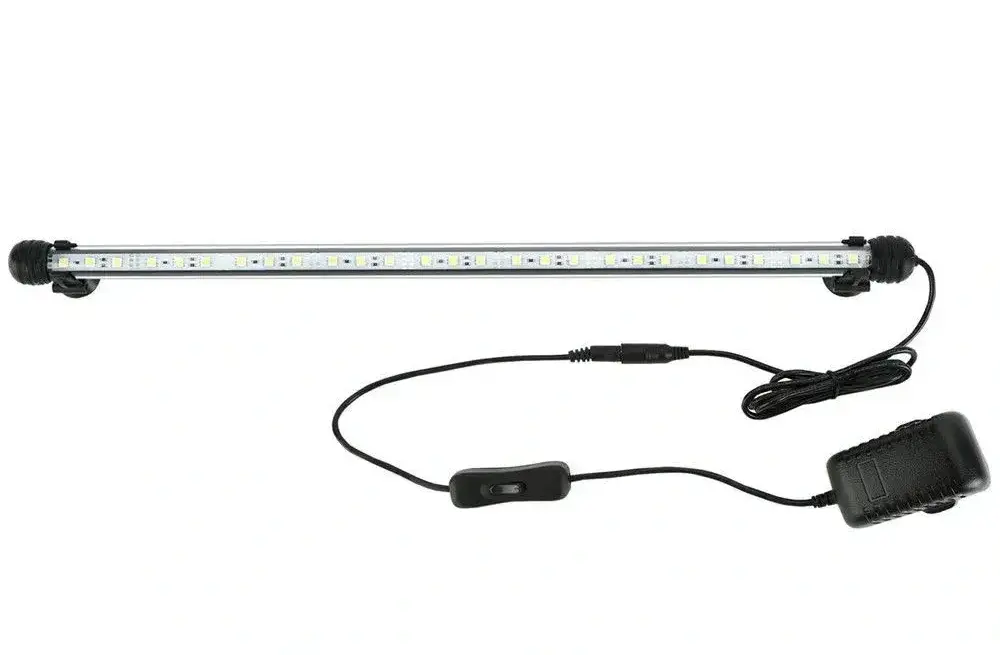
Mushroom Grow Lights Explained
Do mushrooms need light to grow? Learn how light, direction, fruiting, and indoor conditions work together.

Growing Lion’s Mane Mushrooms at Home UK
A UK-focused guide to growing lion’s mane mushrooms, from home conditions to practical cultivation considerations.

Growing Cordyceps Militaris at Home UK
Explore Cordyceps militaris cultivation as a more specialist home mycology project for advanced growers.

PF-Tek MycoBox Grow Kit
Learn about PF-Tek style growing systems, compact grow kits, and beginner-friendly small-scale cultivation.
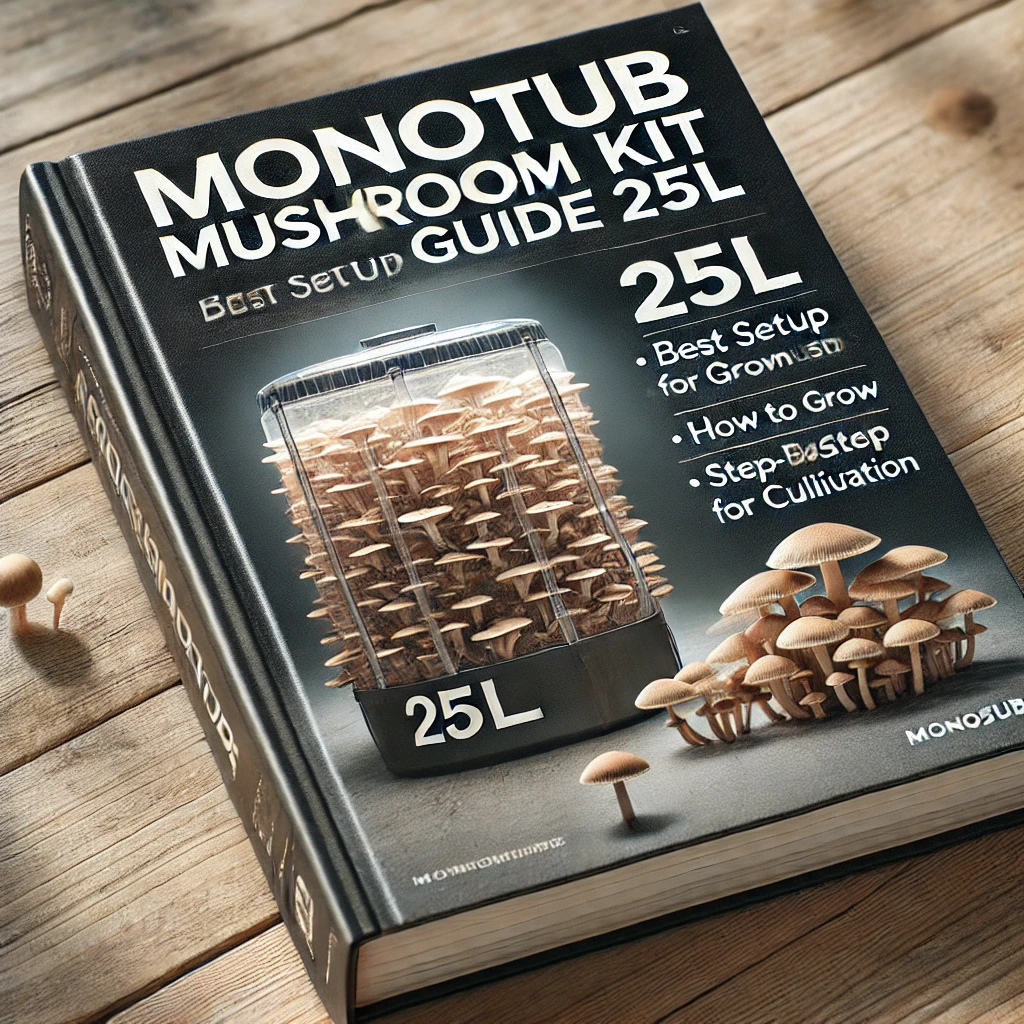
Monotub Mushroom Kit Guide 25L
Understand monotub growing systems, bulk fruiting environments, and how 25L tubs fit into home cultivation.
Beginner Foundations: Growing Mushrooms at Home
Growing mushrooms at home starts with understanding that fungi are not plants. Mushrooms do not grow from seeds, and they do not need soil in the same way vegetables do. Instead, mushroom cultivation usually involves mycelium growing through a prepared food source called substrate before producing mushrooms under the right fruiting conditions.
For beginners, the main challenge is not memorising advanced mycology terms. It is learning the basic sequence: clean preparation, healthy colonisation, suitable substrate, correct moisture, fresh air exchange, stable temperature, and fruiting conditions. Once that pathway makes sense, the different methods become much easier to compare.
Common beginner growing methods
Home mushroom growers often start with ready-made grow kits, mushroom grow bags, PF-Tek style containers, or small fruiting chambers. More experienced growers may move into monotubs, bulk substrate, supplemented hardwood blocks, or species-specific systems.
Grow Bags & Easy Mushroom Growing Methods
Mushroom grow bags are one of the most popular routes into home cultivation because they reduce the number of separate pieces of equipment needed. Depending on the type of bag, the substrate, grain, and fruiting environment may be partly or fully prepared in advance, helping beginners focus on observation and basic handling.
Inject-and-forget style bags are designed to make the process even simpler. They are especially useful for readers who want to understand mushroom growing without immediately managing tubs, substrate mixing, casing layers, or complex fruiting chambers.
That simplicity does not remove the need for care. Clean technique, correct storage, stable conditions, patience, and realistic expectations still matter. A grow bag is not magic; it is a controlled environment designed to make the biological process easier to observe and manage.
Substrate & Cultivation Science
Substrate is the material that supports mushroom growth. Different mushrooms prefer different substrate types, and this is one of the main reasons cultivation advice changes between species. Oyster mushrooms may perform well on straw or supplemented hardwood, lion’s mane often prefers hardwood-based substrates, and bulk-growing systems may use mixtures designed for moisture retention, structure, and colonisation speed.
A good substrate is not just “food”. It also needs the correct texture, moisture level, and air-holding structure. Too wet, and the substrate may become heavy, compacted, or contamination-prone. Too dry, and mycelium may struggle to colonise or fruit properly. This is why field capacity is such an important concept.
Soya bean hulls are often discussed in gourmet cultivation because they can add nutrition to hardwood-based substrates. They are commonly associated with productive mixes for species such as oyster mushrooms and lion’s mane, but supplementation also increases the need for good preparation and contamination awareness.
Indoor Mushroom Growing Conditions in the UK
Growing mushrooms in the UK presents its own practical challenges. Homes can be cold in winter, humid in some rooms, dry near radiators, and inconsistent between seasons. These changes affect colonisation, fruiting, drying, airflow, and contamination risk.
Light is another area that often confuses beginners. Mushrooms do not photosynthesise like plants, but many species still use light as an environmental signal. In simple terms, light can help guide fruiting direction and development, while temperature, humidity, fresh air, and substrate health remain central to successful cultivation.
Species-Specific Home Growing: Lion’s Mane and Cordyceps
Once the basics are understood, many growers become interested in species-specific methods. Lion’s mane and Cordyceps militaris are two strong examples because they behave differently from standard beginner mushroom kits and require more specific expectations.
Lion’s mane is a popular gourmet and functional mushroom that often grows on hardwood-based substrates. It can produce striking white fruiting bodies and is widely discussed in home cultivation communities. Cordyceps militaris is more specialised and often requires a more controlled approach, making it better suited to growers who enjoy experimentation and careful process tracking.
From Small Grow Kits to Monotubs
Small grow kits and PF-Tek style systems are useful because they make mushroom cultivation easier to observe at a manageable scale. They can help beginners understand colonisation, fruiting, humidity, and contamination without immediately managing a larger bulk setup.
Monotubs represent a larger and more productive style of indoor mushroom growing. They usually involve a bulk substrate and a tub environment designed to balance humidity and fresh air exchange. For many growers, monotubs are the next step after learning the basics through smaller kits or grow bags.
Growing Mushrooms at Home FAQs
What is the easiest way to start growing mushrooms at home?
Many beginners start with ready-made grow kits or mushroom grow bags because they reduce the number of separate steps and pieces of equipment needed.
Do mushrooms need light to grow?
Mushrooms do not photosynthesise like plants, but many species use light as an environmental signal during fruiting. Light, humidity, fresh air, temperature, and substrate health all matter.
What is mushroom substrate?
Substrate is the material that supports mycelium and mushroom growth. Examples can include straw, hardwood, coir, supplemented blocks, or prepared bulk substrate mixes depending on the species and method.
What does field capacity mean?
Field capacity describes the moisture level of substrate when it is hydrated but not waterlogged. It is important because mushrooms need moisture without the substrate becoming overly wet or compacted.
Are mushroom grow bags good for beginners?
Yes, grow bags can be beginner-friendly because they simplify the growing environment and reduce setup complexity. Clean handling, stable conditions, and patience are still important.
Related SporeBuddies Knowledge Hubs
Home mushroom growing connects naturally with mycology science, spore education, mushroom wellness, microscopy, and safety guides. Continue exploring the SporeBuddies knowledge base below.
Continue Exploring Home Mycology
SporeBuddies brings together mushroom growing guides, substrate education, grow bag workflows, monotub systems, species-specific cultivation, and practical mycology resources for curious home growers.
Explore the Full Knowledge Base