
Mushroom Health & Wellness
Explore the science, nutrition, cultural history, and emerging research behind functional mushrooms, lion’s mane, niacin, psilocybin therapy, and mushroom strain education. This SporeBuddies knowledge hub is designed as a calm, research-led starting point for readers who want to understand mushrooms through a wellness, mycology, and education-focused lens.
The information here is educational only. It does not replace medical advice, diagnosis, treatment, or legal guidance. Always speak with a qualified professional before making health decisions, and check your local laws before engaging with controlled substances or restricted mushroom species.
Start Here: Choose Your Mushroom Wellness Path
Mushroom wellness is a broad subject. Some readers arrive here because they are interested in edible functional mushrooms such as lion’s mane. Others want to understand the research around psilocybin-assisted therapy, nutritional compounds like niacin, or the history and cultural context of well-known mushroom strains. This hub brings those topics together in one structured learning pathway.
Jump to Functional Mushrooms →
Jump to Compounds & Nutrition →
Jump to Psychedelic Research →
Featured Mushroom Health & Wellness Guides
These guides form the core of the Mushroom Health & Wellness category. Each one explores a different part of the wider mushroom wellness landscape, from everyday edible mushrooms to clinical research and strain history.
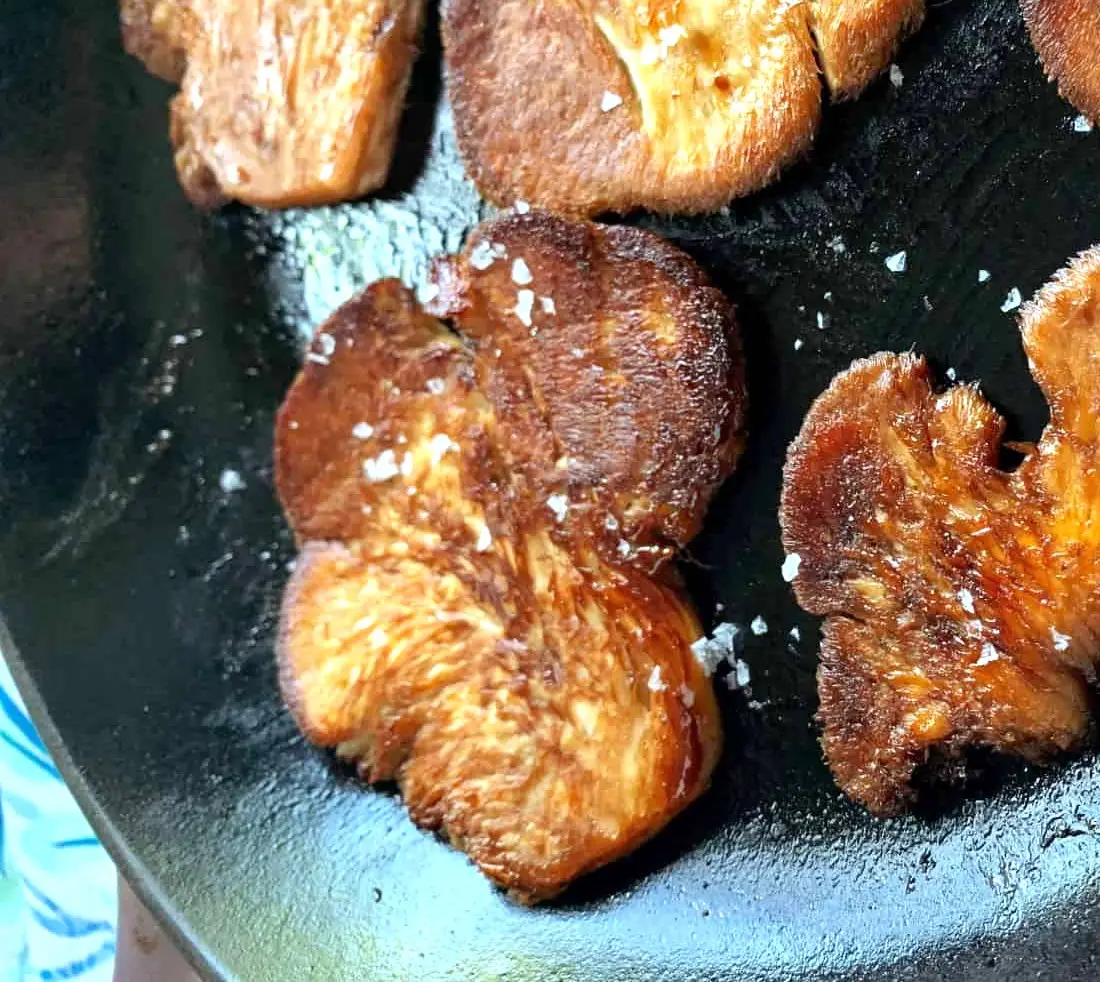
Eating Lion’s Mane Mushrooms
Explore lion’s mane as an edible functional mushroom, including food, flavour, wellness interest, and beginner-friendly benefits.

Psilocybin Therapy: What the Research Says
A careful educational overview of psilocybin-assisted therapy research, evidence limits, clinical settings, and safety considerations.
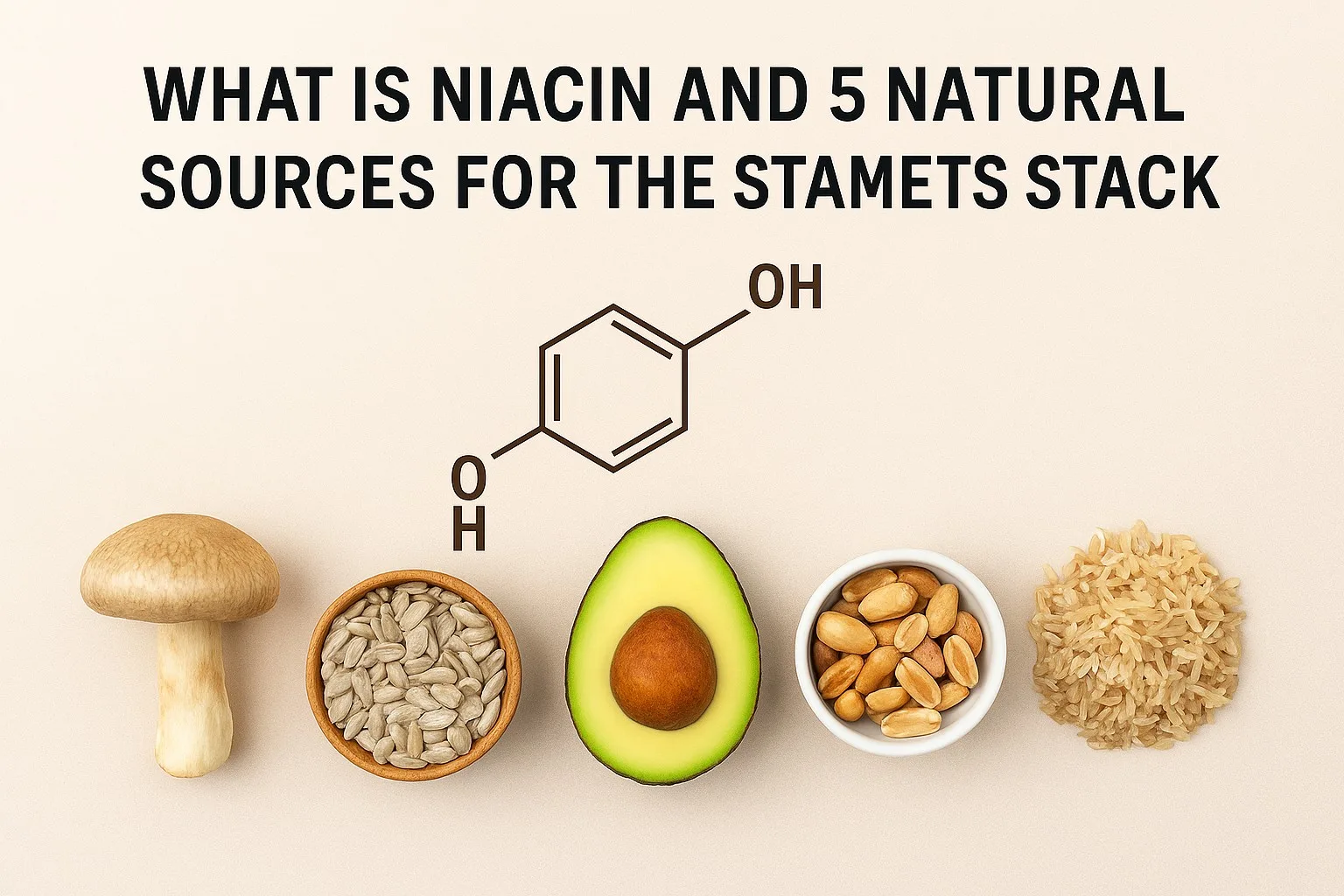
What Is Niacin?
Understand vitamin B3, natural niacin food sources, NAD-related metabolism, and why it is discussed in mushroom wellness circles.

Top 10 Magic Mushroom Strains 2025
Learn about popular strain names, history, culture, species context, and why strain education should be framed responsibly.
What Does “Mushroom Health & Wellness” Mean?
Mushroom health and wellness can mean different things depending on the species, context, and evidence being discussed. For SporeBuddies, this category focuses on education rather than exaggerated claims. It brings together functional mushroom foods, nutritional compounds, psychedelic research, and cultural mycology in a way that is useful for beginners but still grounded enough for serious readers.
Some mushrooms are everyday foods. Some are studied for bioactive compounds. Some are part of traditional food cultures. Others are legally restricted and only appropriate to discuss through a research, legal, or educational lens. The goal of this hub is to help readers understand those differences clearly.
Functional mushrooms vs psychedelic mushrooms
Functional mushrooms are typically discussed in relation to food, nutrition, traditional use, or compounds of scientific interest. Lion’s mane, reishi, cordyceps, turkey tail, and chaga are common examples in wellness conversations. Psychedelic mushrooms, by contrast, are discussed because certain species contain controlled psychoactive compounds such as psilocybin and psilocin.
This distinction matters. A lion’s mane recipe guide and a psilocybin therapy research article belong in the same broad wellness ecosystem, but they require different safety language, different legal framing, and different evidence standards.
Lion’s Mane and Functional Mushroom Wellness
Lion’s mane mushroom, known scientifically as Hericium erinaceus, has become one of the most recognisable functional mushrooms in the wellness world. It is valued as an edible mushroom with a distinctive texture and is also discussed because it contains compounds that have attracted scientific interest.
In practical terms, many people first encounter lion’s mane as food. It can be sliced, pan-fried, roasted, or cooked until golden and crisp at the edges. Its texture is often compared with seafood or tender meat, which makes it popular among plant-based cooks and mushroom enthusiasts.
From an educational wellness perspective, lion’s mane is interesting because it sits at the meeting point between food, tradition, and modern research. Readers should be careful, however, not to treat internet wellness claims as proven outcomes. Human research is still developing, and product quality can vary.
Niacin, Vitamin B3, and Mushroom Wellness Trends
Niacin, also known as vitamin B3, is a water-soluble vitamin found naturally in many foods and used by the body in important metabolic processes. It is often discussed in wellness communities because of its relationship with NAD and energy metabolism.
In mushroom wellness spaces, niacin is sometimes mentioned alongside the so-called Stamets Stack. SporeBuddies approaches this topic educationally: readers should understand what niacin is, where it occurs naturally, and why supplement combinations should be approached cautiously rather than copied blindly from internet discussions.
Natural food sources of niacin can include poultry, fish, peanuts, mushrooms, whole grains, legumes, and fortified foods. As with any nutrient, more is not automatically better. High-dose supplements can cause side effects and should be discussed with a qualified healthcare professional, especially for people with existing health conditions or those taking medication.
Psilocybin Therapy: Research, Safety, and Legal Context
Psilocybin-assisted therapy is one of the most discussed areas of modern psychedelic research. Clinical studies have explored psilocybin in controlled settings, often alongside psychological support, preparation, and integration. Research interest is especially strong around depression, anxiety, end-of-life distress, addiction, and trauma-related conditions.
However, this is not the same as recommending self-treatment. Clinical psilocybin research takes place in structured environments with screening, professional supervision, dose control, psychological support, and follow-up. Those safeguards are central to the research model.
In the UK, psilocybin is controlled under misuse of drugs legislation. This means readers should treat psilocybin content as educational, scientific, and legal-context information only. SporeBuddies does not provide medical advice, treatment advice, or instructions for illegal use.
Mushroom Strains, Culture, and Responsible Education
Mushroom strain names are a major part of online mushroom culture. Names such as Golden Teacher, B+, Cambodian, Penis Envy, Jedi Mind Fuck, and others are often used in educational articles, microscopy discussions, and historical strain guides.
For a wellness-focused knowledge hub, strain education should be handled carefully. Many strain names are connected with psilocybin-containing species, which may be legally restricted depending on jurisdiction. That means strain articles should focus on history, taxonomy, microscopy, culture, and educational comparison rather than encouraging consumption or cultivation where unlawful.
When written responsibly, strain guides can help readers understand mushroom naming conventions, species context, spore morphology, cultural history, and the difference between marketing language and scientifically meaningful classification.
Explore Related SporeBuddies Knowledge Hubs
Mushroom wellness connects naturally with microscopy, strain comparisons, safety, law, and growing education. Continue exploring the SporeBuddies knowledge base through these related hubs.
Mushroom Health & Wellness FAQs
Are mushrooms good for health and wellness?
Many edible mushrooms can be part of a balanced diet and provide fibre, micronutrients, and culinary variety. Some functional mushrooms are also studied for specific compounds, but wellness claims should be assessed carefully.
Is lion’s mane mushroom a medicine?
Lion’s mane is an edible mushroom and a popular functional mushroom, but it should not be treated as a replacement for professional medical care. Research is ongoing, and effects can vary between individuals and products.
What is niacin?
Niacin is vitamin B3. It is found naturally in foods and plays a role in metabolic processes involving NAD and NADP. High-dose supplementation should be approached cautiously and discussed with a qualified professional.
Is psilocybin therapy legal in the UK?
Psilocybin is controlled under UK misuse of drugs legislation. Clinical research may take place under regulated conditions, but this does not mean self-treatment or possession is legal.
Does SporeBuddies provide medical advice?
No. SporeBuddies publishes educational mycology and mushroom wellness content. The information is not medical advice, diagnosis, treatment guidance, or legal advice.
Continue Exploring Mushroom Education
SporeBuddies brings together mushroom wellness, microscopy, spore education, strain history, and mycology safety guides in one growing educational knowledge base.
Visit the SporeBuddies Knowledge Base