
🔬 Mushroom Spore Research & Microscopy
Explore mushroom spores through microscopy, strain education, taxonomy, spore syringe observation, and mycology research tools. This SporeBuddies hub is designed as a scientific and educational resource centre for beginners, microscopy enthusiasts, and readers interested in responsible fungal study.
Mushroom microscopy combines observation, taxonomy, sterile workflow, and scientific curiosity. Whether you are learning how to use a spore syringe under a microscope or exploring the cultural history behind famous mushroom strains, this hub provides a structured pathway into modern mycology education.
Start Here: Enter the Microscopy Lab
Mushroom spore microscopy can initially feel technical, but most beginners quickly realise that the field is built on careful observation, curiosity, and learning how fungal structures differ between species and strains. This educational hub introduces microscopy concepts step-by-step while connecting readers with practical tools, spore syringe guides, and broader mushroom taxonomy discussions.
The goal is not simply to look at spores, but to understand how microscopy connects with fungal biology, species diversity, strain naming, research culture, and responsible educational practice.
Jump to Beginner Microscopy →
Jump to Tools & Observation →
Jump to Strain & Spore Education →
Featured Spore Research & Microscopy Guides
These guides form the core of the SporeBuddies microscopy knowledge centre, covering educational spore observation, microscopy tools, strain background, species discussions, and mushroom spore syringe education.
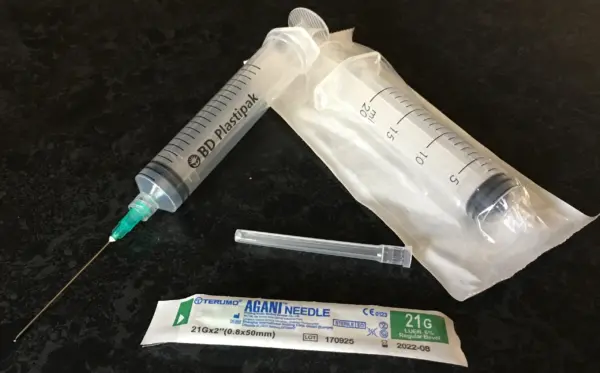
How to Use a Spore Syringe for Microscopy
Learn beginner-friendly microscopy workflow concepts for observing mushroom spores using educational spore syringe samples.
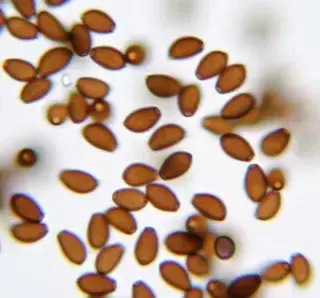
Best Tools for Studying Mushroom Spores
Explore microscopes, slides, sterile workflow tools, magnification concepts, and educational spore observation equipment.

Double Density Spore Syringes
Understand spore concentration, visual density, microscopy visibility, and why educational spore preparation quality matters.

B+ Spore History & Background
Learn about B+ mushroom strain history, online mushroom culture, taxonomy discussion, and educational strain context.
Beginner Microscopy: Studying Mushroom Spores
Mushroom spore microscopy is one of the most accessible ways to begin studying fungi in a more scientific way. Instead of focusing only on visible mushrooms, microscopy allows readers to explore the smaller structures that help define fungal identity, reproduction, and species-level discussion.
A spore syringe used for microscopy is typically discussed as a way to transfer a small sample to a microscope slide for observation. The focus should be educational: observing spore colour, shape, density, distribution, and other visual features under magnification.
What beginners usually need to understand first
Beginners often need a simple pathway: what a spore syringe is, how microscopy slides are prepared for observation, what magnification means, and how to record what they see. Once those basics are understood, strain background and species comparison pages become much easier to interpret.
Tools & Observation: Building a Simple Spore Study Setup
A good microscopy setup does not need to feel intimidating. The essentials usually include a suitable microscope, clean slides, coverslips, a stable light source, basic handling tools, and a method for recording observations. Better tools can make study easier, but careful technique matters just as much as equipment.
For mushroom spores, magnification, lighting, contrast, and slide preparation all affect what the viewer can see. A rushed or messy slide can make spores harder to interpret, while a clean and consistent approach helps readers compare samples more reliably.
Common Microscopy Tools
- Compound microscope
- Glass slides and coverslips
- Spore syringe sample
- Sterile handling tools
- Light source and focusing controls
- Notebook or photo record
Good Observation Habits
- Label samples clearly
- Keep slides clean
- Record magnification used
- Compare observations carefully
- Avoid overinterpreting one sample
- Separate evidence from assumptions
Strain & Spore Education
Strain names are a major part of online mushroom culture, but they should be understood carefully. Names such as B+, Golden Teacher, Cambodian, Penis Envy, and others can be useful for educational navigation, yet they are not always precise scientific categories.
For microscopy and spore research, the most useful approach is to treat strain names as cultural, commercial, and educational labels while still paying attention to species context, spore morphology, provenance, and responsible research framing.
This is where spore history pages and strain insight guides become useful. They help readers understand why certain names became popular, how they are discussed online, and why microscopy-focused education is different from unsupported claims about effects or potency.
Spore Density, Visibility, and Sample Quality
Spore density can affect how easily spores are seen during microscopy. A sample with more visible spore material may appear darker or more concentrated, while a lighter sample may require more careful slide preparation and observation.
However, density should not be confused with scientific certainty. A visually dense syringe may be useful for observation, but microscopy still depends on clean preparation, magnification, lighting, and careful interpretation.
Species Diversity: Cordyceps, Cubensis Strains, and Research Interest
Mushroom spore research is not limited to one species or one strain group. Readers may encounter gourmet species, medicinally discussed fungi, Cordyceps militaris, and well-known Psilocybe cubensis strain names depending on the context of their research.
Cordyceps militaris is especially interesting because it sits in a different educational space from many cubensis strain discussions. It is widely known for its distinctive orange fruiting bodies, species-specific cultivation interest, and strong presence in functional mushroom conversations.
By contrast, cubensis strain names are often discussed through microscopy, culture, and spore research language, especially where legal restrictions apply. This makes responsible wording essential.
Choosing a Spore Syringe Supplier for Microscopy
When readers search for a spore syringe supplier, they are often looking for more than a product. They want clarity, reliable presentation, educational context, legal awareness, and confidence that the supplier understands microscopy-focused use.
A good educational supplier page should explain what the item is for, how it fits into microscopy study, what legal context applies, and what beginners should understand before purchasing. Transparency and responsible language are part of trust.
Responsible Spore Research & Legal Context
Spore research and microscopy content should always be written with legal context in mind. Laws vary by country and species, and certain mushroom species or compounds may be restricted depending on jurisdiction.
For SporeBuddies, the correct approach is education, microscopy, taxonomy, and responsible research framing. Readers should check local laws and avoid treating microscopy content as cultivation, consumption, medical, or legal advice.
Related SporeBuddies Knowledge Hubs
Spore microscopy connects naturally with strain comparisons, spore prints, agar, mycology science, mushroom wellness, and legal education. Continue exploring the SporeBuddies knowledge base below.
Mushroom Spore Research & Microscopy FAQs
What is mushroom spore microscopy?
Mushroom spore microscopy is the educational observation of fungal spores under magnification. It can help readers study spore shape, colour, density, and other visible features.
What tools are useful for studying mushroom spores?
Common tools include a compound microscope, glass slides, coverslips, clean handling tools, suitable lighting, and a method for recording observations.
What is a spore syringe used for in microscopy?
In an educational microscopy context, a spore syringe can be used to place a small sample on a microscope slide for observation and study.
Are strain names scientifically exact?
Not always. Strain names can be useful for educational navigation and cultural context, but they should not be treated as precise scientific categories without further evidence.
Does SporeBuddies provide cultivation advice for restricted species?
No. SporeBuddies publishes educational, microscopy, and research-focused content with attention to legal and safety context.
Continue Exploring Spore Education
SporeBuddies brings together microscopy guides, spore syringe education, strain comparisons, spore print workflows, mycology science, and legal-context resources for responsible fungal study.
Explore the Full Knowledge Base