

B+ vs Cambodian Spores: Microscopy, Research & Educational Comparison
B+ vs Cambodian spores is a common comparison in mycology education and microscopy research. Both belong to Psilocybe cubensis and are widely circulated, yet they are often described very differently in cultivation narratives and community discussions. This article provides a microscopy-first, compliance-safe comparison written strictly for educational and research purposes.
This guide is intended for legal microscopy, taxonomy, and educational study only. No cultivation guidance, dosages, or therapeutic instructions are provided. Readers are responsible for ensuring compliance with local laws and regulations.
Peer-reviewed medical journals and government-supported research institutions have investigated psilocybin within regulated clinical and academic settings, primarily in relation to mental health and psychological wellbeing.
Systematic reviews published in leading medical journals, including the British Medical Journal (BMJ), report that psilocybin-assisted therapy, when administered in controlled clinical environments, has demonstrated statistically significant improvements in depressive symptoms compared with control conditions.
Research programmes led by organisations such as the Beckley Foundation, NIHR-supported UK universities, and Johns Hopkins University focus on clinical protocols, ethics, neuropsychological mechanisms, and safety frameworks rather than mushroom strain differentiation.
Across the scientific literature, outcomes are associated with psilocybin as a compound and with therapeutic context (dose control, set, setting, and professional support), not with informal strain names such as B+ or Cambodian.
Detailed source links are provided in the References & Further Reading section below.
Quick Comparison: B+ vs Cambodian Spores
| Feature | B+ Spores | Cambodian Spores |
|---|---|---|
| Species | Psilocybe cubensis | Psilocybe cubensis |
| Spore Shape | Ellipsoid, highly uniform | Ellipsoid, moderate variability |
| Print Density | Typically dense | Often lighter or variable |
| Educational Use | Baseline reference strain | Comparative / geographic reference |
| Cultural Identity | Stability & reliability | Geographic naming narrative |
What Are B+ Spores?
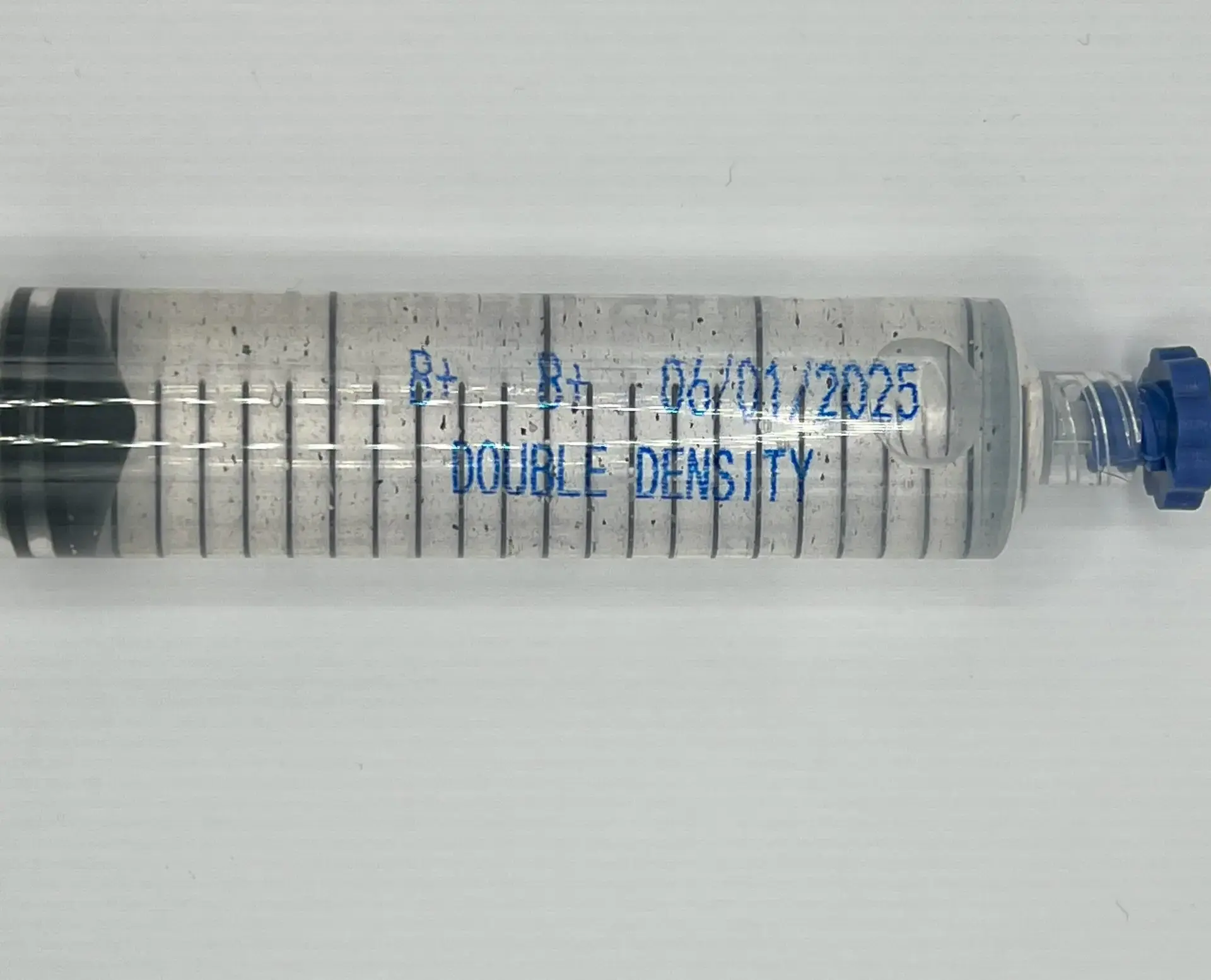
B+ spores are among the most widely distributed Psilocybe cubensis reference samples used in microscopy education. They are commonly employed as a baseline comparison strain due to their consistency across collections and long-standing documentation in mycology literature.
Under microscopy, B+ spores are valued for their uniform ellipsoid morphology, consistent pigmentation, and reliable spore deposition patterns, making them suitable for teaching spore measurement and comparative taxonomy.
What Are Cambodian Spores?
Cambodian spores are named for their reported geographic origin and are often marketed as a “landrace” variety. From a scientific perspective, Cambodian spores still fall fully within standard Psilocybe cubensis parameters and do not represent a distinct taxonomic group.
In microscopy contexts, Cambodian spores are primarily studied for comparative purposes, particularly in discussions about provenance, naming conventions, and how geographic labels influence interpretation.
Average Alkaloid Content: B+ vs Cambodian (Biological Reference)
Alkaloid content varies widely between samples due to genetics, environment, harvest timing, drying methods, and laboratory testing protocols. The values below represent observed ranges reported in public datasets and community testing summaries, not guaranteed strain characteristics.
Summary: Public datasets do not consistently show a meaningful biochemical separation between B+ and Cambodian samples. Both generally fall within typical P. cubensis alkaloid ranges, with substantial overlap.
| Compound | B+ (Reported Range) | Cambodian (Reported Range) |
|---|---|---|
| Total tryptamines | ~0.6% – 1.2% | ~0.6% – 1.3% |
| Psilocybin | Mid-range cubensis values | Mid-range cubensis values |
These figures are provided for educational reference only and do not constitute medical advice or dosing guidance.
Mental Health & Research Context (Jurisdiction-Dependent)
In jurisdictions where psilocybin research is permitted, scientific literature evaluates psilocybin as a compound, not cultural strain names. Clinical outcomes are linked to dose control, psychological support, and environmental context rather than strain identity.
No peer-reviewed research supports geographic or strain-name–specific mental health effects.
Community Reports & Cultural Narratives
Outside controlled research, community discussions often describe Cambodian strains as “energetic” or “visual,” while B+ is frequently described as “balanced” or “grounded.”
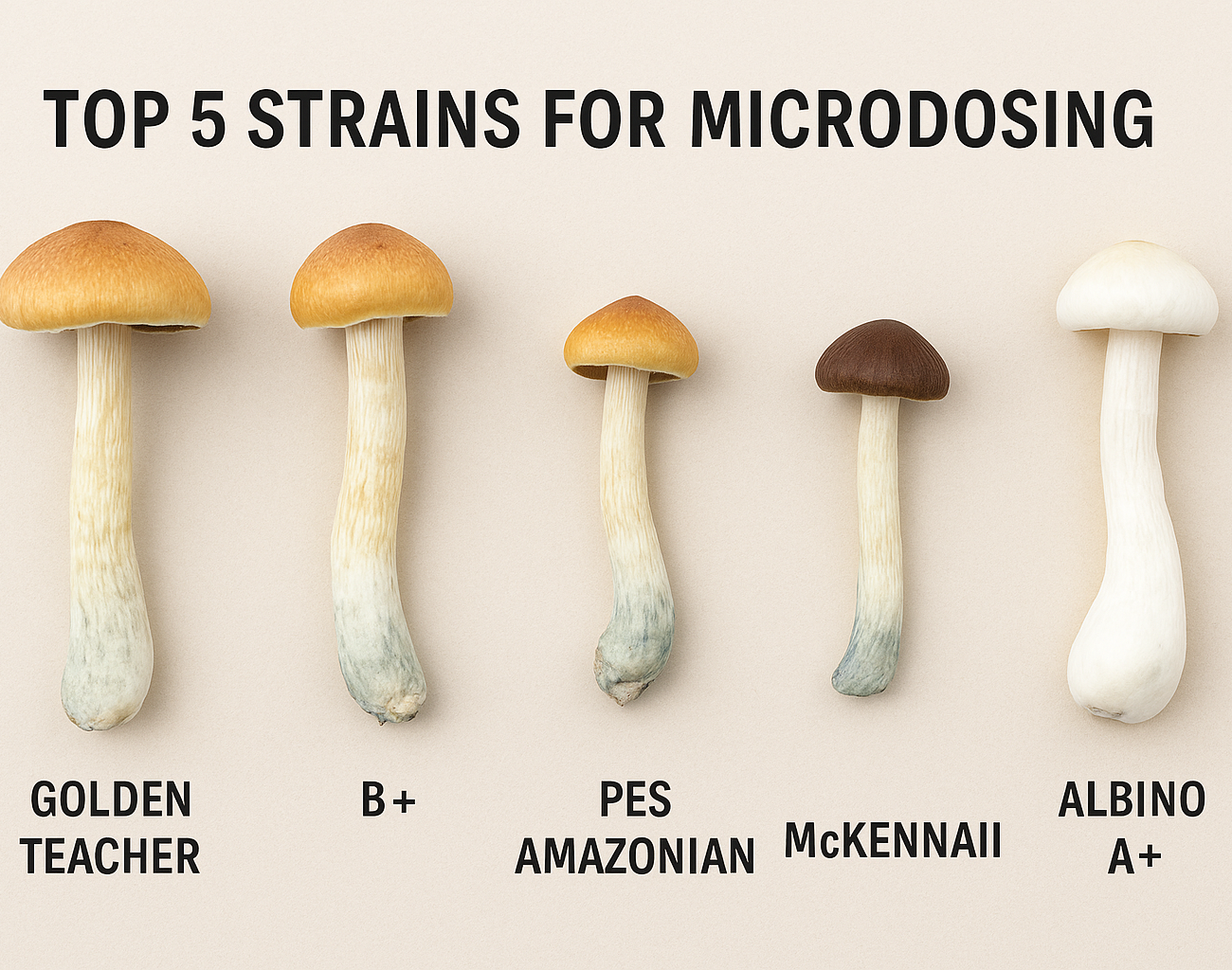
B+ is also commonly referenced in anecdotal discussions related to microdosing routines and migraine or cluster headache conversations. These reports are anecdotal and phenomenological and are not supported by controlled clinical trials.
This comparison provides an ideal framework for understanding expectancy bias, narrative priming, and how strain names influence subjective interpretation despite biochemical overlap.

Final Thoughts
B+ vs Cambodian is not a comparison of potency but of narrative. Both represent Psilocybe cubensis within normal biological ranges, yet their reputations differ significantly due to naming, expectation, and historical context.
For microscopy and educational study, examining both side-by-side offers valuable insight into natural variation, cultural influence, and the limits of strain-based interpretation.