

Mushrooms are defined in nutritional science as fungi that function as both food and functional medicine, delivering protein, B vitamins, vitamin D2, and bioactive polysaccharides within a single low-calorie package. Mushroom nutrition science topics have expanded rapidly, with clinical studies from institutions publishing in PMC, RSC Publishing, and MDPI now confirming benefits ranging from immune modulation to cognitive support. Species like shiitake, oyster, and lion’s mane each carry distinct compound profiles that influence health in measurably different ways. The science is clear: mushrooms are not a passing trend. They are one of the most nutritionally complex and environmentally sustainable foods available to you today.
1. Mushroom nutrition science topics: sustainable protein with a complete amino acid profile
Mushrooms deliver 19–35% protein by dry weight, with profiles that include all essential amino acids. That makes them one of the few plant-based sources capable of matching the amino acid completeness typically associated with animal protein.
The environmental case is equally strong. Mushroom cultivation requires 85–90% less land and water than conventional animal agriculture. That gap is significant enough to make mushrooms a serious candidate for sustainable food systems, not just a dietary supplement.
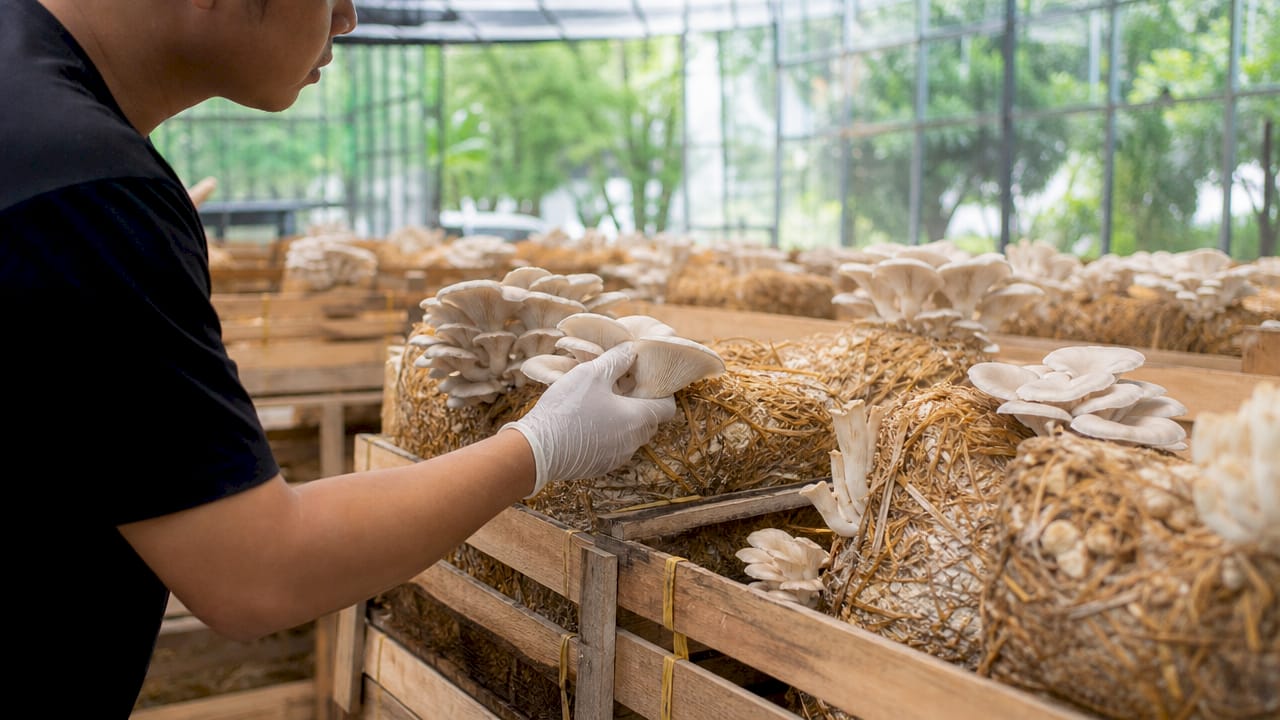
Protein digestibility in raw mushrooms sits at roughly 60–80%, which is lower than meat but comparable to many legumes. Processing technologies like microencapsulation and high-moisture extrusion improve this figure considerably, making mushroom protein more accessible to your body.
Key protein-rich species to consider:
- Oyster mushrooms (Pleurotus ostreatus): high protein content and mild flavour, ideal for meat analogues
- Shiitake (Lentinula edodes): good amino acid balance with additional immune-active compounds
- Lion’s mane (Hericium erinaceus): moderate protein with notable neuroprotective bioactives
Pro Tip: If you are selecting a mushroom species primarily for protein, oyster mushrooms offer one of the highest protein-to-dry-weight ratios and grow well in UK home cultivation conditions.
2. B vitamins, potassium, and selenium: the micronutrient case
Mushrooms contain B vitamins, potassium, selenium, and antioxidants that support energy production, immune defence, and the reduction of oxidative damage. These are not trace amounts. Riboflavin, niacin, and pantothenic acid appear in quantities that contribute meaningfully to your daily requirements.
Potassium supports healthy blood pressure and muscle function. Selenium acts as a cofactor for antioxidant enzymes, helping your body neutralise free radicals before they cause cellular damage. Folate, present in several species, supports DNA synthesis and is particularly relevant for anyone monitoring their nutritional intake carefully.
The B vitamin content makes mushrooms especially useful for people following plant-based diets, where riboflavin and niacin can be harder to source. Shiitake and portobello varieties are among the richest sources within the fungi kingdom.
Pro Tip: Dried mushrooms concentrate B vitamins and selenium. A small quantity of dried shiitake added to soups or stews can deliver a meaningful micronutrient contribution without altering the dish significantly.
3. Vitamin D2 and UV exposure: a practical dietary source
Vitamin D2 content in mushrooms increases substantially when exposed to UV light for 15–20 minutes. UV radiation converts ergosterol, a compound naturally present in fungal cell walls, into vitamin D2, the same conversion pathway your skin uses with sunlight.
This matters because vitamin D deficiency is widespread in the UK, particularly during autumn and winter months. Mushrooms exposed to sunlight gill-side up for 15–20 minutes can provide a meaningful dietary contribution to your vitamin D intake. Commercially, standardised UV exposure during cultivation can reliably produce vitamin D2-enriched mushrooms at scale.
Vitamin D2 from mushrooms supports bone mineralisation, muscle function, and immune regulation. It is not identical in potency to vitamin D3 (the form produced by human skin), but it is a genuine and accessible dietary source, particularly for those avoiding animal-derived supplements.
4. Beta-glucans and immune modulation: what the clinical evidence shows
Beta-glucans are polysaccharides found in mushroom cell walls that activate natural killer cells and other immune markers. A clinical study found that daily intake of 5–10 grams of shiitake over four weeks produced measurable immune enhancements in 52 adults. That is a modest dose achievable through regular dietary consumption.
The mechanism involves beta-glucans binding to receptors on immune cells, triggering a cascade that improves the body’s surveillance against pathogens and abnormal cells. Anti-cancer effects attributed to mushrooms stem primarily from immune stimulation rather than any direct action on tumour cells. This distinction is important: mushrooms support your immune system, which then does the work.
“Beta-glucans stimulate immune cells rather than acting directly on cancer cells, meaning their protective effect is indirect and dependent on overall immune health.” — PMC, 2026
There is a significant caveat. Beta-glucans have low bioavailability of 2–5% from raw mushrooms, which limits how much therapeutic benefit you can extract through diet alone. Processing methods that break down cell walls improve absorption considerably.
Mushroom polysaccharides also act as prebiotics that feed beneficial gut bacteria, adding a second immune pathway through microbiome modulation. A healthy gut microbiome supports immune regulation independently of direct beta-glucan absorption.
5. Cognitive and mood benefits: what randomised trials reveal
A 12-week randomised controlled trial found that oyster mushroom consumption at four portions per week improved episodic memory and mood in adults aged 60–80. The study involved 80 participants and used validated cognitive assessments. These are not anecdotal reports. They are controlled clinical findings.
Lion’s mane (Hericium erinaceus) contains compounds including hericenones and erinacines that cross the blood-brain barrier and promote nerve growth factor (NGF) production. NGF supports the maintenance and repair of neurons, which is why lion’s mane has attracted significant research interest for neuroprotection and cognitive resilience.
The gut-brain axis adds another layer. Mushroom polysaccharides ferment in the gut to produce short-chain fatty acids (SCFAs), which influence brain function indirectly through the vagus nerve and systemic circulation. This means the cognitive benefits of mushrooms are not limited to direct neuroactive compounds. Your gut health is part of the picture.
Three mechanisms worth understanding:
- Antioxidant action: compounds like ergothioneine reduce oxidative stress in neural tissue
- NGF stimulation: lion’s mane erinacines promote nerve growth and repair
- Gut-brain signalling: prebiotic fermentation produces SCFAs that modulate mood and cognition
Research in this area is promising but still developing. Long-term human trials are limited, and most mechanistic evidence comes from animal studies or short-duration human interventions.
6. Polyphenols, ergothioneine, and antioxidant activity
Mushrooms contain polyphenols and a unique antioxidant called ergothioneine, which is found in few other dietary sources. Ergothioneine accumulates in tissues under oxidative stress, suggesting a targeted protective role. Clinical validation of its therapeutic effects in humans is still ongoing, but its presence in mushrooms adds to their antioxidant credentials.
Polyphenols in mushrooms combat oxidative stress by neutralising free radicals before they damage DNA, proteins, and lipid membranes. This is the same mechanism attributed to antioxidants in berries and green tea, but mushrooms deliver it alongside a protein and vitamin package that fruit cannot match.
The combination of polyphenols, selenium, and ergothioneine creates a layered antioxidant defence. Each compound operates through a slightly different pathway, meaning they complement rather than duplicate each other’s effects.
7. Bioavailability challenges and processing solutions
The low bioavailability of beta-glucans (2–5% from raw mushrooms) is the central challenge in mushroom nutrition science. It means that eating raw or lightly cooked mushrooms delivers far less of the active compound than the total content would suggest.
Ultrasonic-assisted extraction and microencapsulation are the two most promising processing technologies addressing this problem. Ultrasonic extraction breaks down cell walls using sound waves, releasing bound compounds. Microencapsulation then protects those compounds through digestion until they reach the gut. Both methods are now used in commercial mushroom supplement production.
Pro Tip: Cooking mushrooms thoroughly, particularly by sautéing or simmering, breaks down chitin cell walls and improves the availability of both protein and polysaccharides compared to eating them raw.
The evidence gap is real. Only 15–23% of commercial mushroom-based products have robust clinical trial backing. That means most products on the market are sold on the strength of preclinical or mechanistic evidence rather than confirmed human outcomes. You should apply that filter when evaluating supplements.
8. Gut microbiome modulation: the prebiotic dimension
Mushrooms function as prebiotics, feeding beneficial bacterial strains including Lactobacillus and Bifidobacterium species. The polysaccharides that resist digestion in the small intestine reach the colon intact, where gut bacteria ferment them into SCFAs. SCFAs like butyrate support the gut lining, reduce inflammation, and signal through the gut-brain axis.
Mushrooms’ immune and health benefits are strongly influenced by their modulation of the gut microbiome. This makes the gut a central site of mushroom bioactivity, not just the immune system or the brain. The three systems are connected, and mushrooms appear to influence all three through a single dietary mechanism.
This prebiotic effect is species-dependent. Oyster and shiitake mushrooms have the most published evidence for microbiome modulation. Lion’s mane shows early promise but requires more human trial data.
9. Mushroom dietary value in meat analogues and functional foods
Food manufacturers are incorporating mushroom protein into meat analogues, protein powders, and fortified foods. High-moisture extrusion, a processing technique that creates fibrous textures resembling meat, uses mushroom protein as a functional ingredient. The result is a product that delivers protein, B vitamins, and beta-glucans in a format familiar to mainstream consumers.
The sustainability advantage of mushroom protein makes it attractive for food system reformulation. Brands developing plant-based products are increasingly using mushroom concentrates alongside pea and soy protein to improve amino acid completeness and add functional bioactives.
For you as a health-conscious reader, this means mushroom nutrition is increasingly accessible beyond whole foods. Fortified products, extracts, and supplements now deliver concentrated doses of the compounds discussed throughout this article, though the clinical evidence for these formats remains thinner than for whole mushroom consumption.
10. Future directions: what the science still needs to confirm
The field of mushroom nutrition science is advancing quickly, but significant gaps remain. Standardised clinical trials with large sample sizes and long follow-up periods are still rare. Most human studies involve fewer than 100 participants and run for 4–12 weeks. That is enough to detect short-term effects but insufficient to confirm long-term safety or efficacy.
Standardised cultivation with controlled UV exposure can produce consistent vitamin D2 levels, which would make mushrooms a reliable dietary supplement source. Regulatory bodies have not yet established formal quality standards for mushroom-derived nutritional products in the UK, which means product quality varies considerably between manufacturers.
The latest functional mushroom research from 2025 and 2026 points toward personalised nutrition applications, where specific species are matched to individual health goals based on biomarker data. That is where the science is heading. For now, consistent consumption of a variety of species remains the most evidence-supported approach.
Key takeaways
Mushrooms deliver protein, vitamins, immune-active beta-glucans, and prebiotic polysaccharides through a single sustainable food source, making them one of the most nutritionally complete fungi available to health-conscious readers.
| Point | Details |
|---|---|
| Protein content is substantial | Mushrooms provide 19–35% protein by dry weight with a complete essential amino acid profile. |
| UV exposure boosts vitamin D2 | Placing mushrooms gill-side up in sunlight for 15–20 minutes meaningfully increases their vitamin D2 content. |
| Beta-glucans need processing to work | Raw mushroom bioavailability of beta-glucans is only 2–5%; cooking or extraction significantly improves absorption. |
| Cognitive benefits are clinically supported | A 12-week RCT showed oyster mushroom consumption improved episodic memory and mood in older adults. |
| Evidence gaps remain | Only 15–23% of commercial mushroom products have robust clinical trial backing; apply scrutiny when choosing supplements. |
Grow your own nutritional mushrooms with Sporebuddies
If this article has made you curious about integrating mushrooms into your diet at a deeper level, growing your own is the most direct route to fresh, species-specific nutrition. Sporebuddies supplies everything you need, from mushroom growing equipment for home cultivation of shiitake, oyster, and lion’s mane, to health and wellness products for those focused on functional benefits. Growing at home gives you control over species selection, substrate quality, and UV exposure for vitamin D2 enrichment. Sporebuddies also stocks mushroom substrates suited to nutritional varieties, with guidance for beginners and experienced growers alike.
FAQ
What nutrients are found in mushrooms?
Mushrooms contain protein (19–35% by dry weight), B vitamins including riboflavin and niacin, potassium, selenium, vitamin D2, and bioactive polysaccharides such as beta-glucans. They also provide antioxidants including ergothioneine and polyphenols.
How does UV light increase vitamin D in mushrooms?
UV radiation converts ergosterol in mushroom cell walls into vitamin D2. Placing mushrooms gill-side up in direct sunlight for 15–20 minutes significantly increases their vitamin D2 content.
Are mushrooms good for immune health?
Clinical evidence shows that daily consumption of 5–10 grams of shiitake over four weeks improves measurable immune markers. Beta-glucans activate natural killer cells, and polysaccharides support gut microbiome health, which further regulates immune function.
Can mushrooms support brain health?
A 12-week randomised controlled trial found that oyster mushroom consumption improved episodic memory and mood in adults aged 60–80. Lion’s mane contains compounds that promote nerve growth factor production, supporting neural repair and cognitive resilience.
Why is bioavailability a concern with mushroom supplements?
Beta-glucans from raw mushrooms are absorbed at only 2–5%, limiting their direct therapeutic effect. Cooking, ultrasonic-assisted extraction, and microencapsulation all improve bioavailability, which is why processed extracts often deliver more consistent results than whole raw mushrooms.