
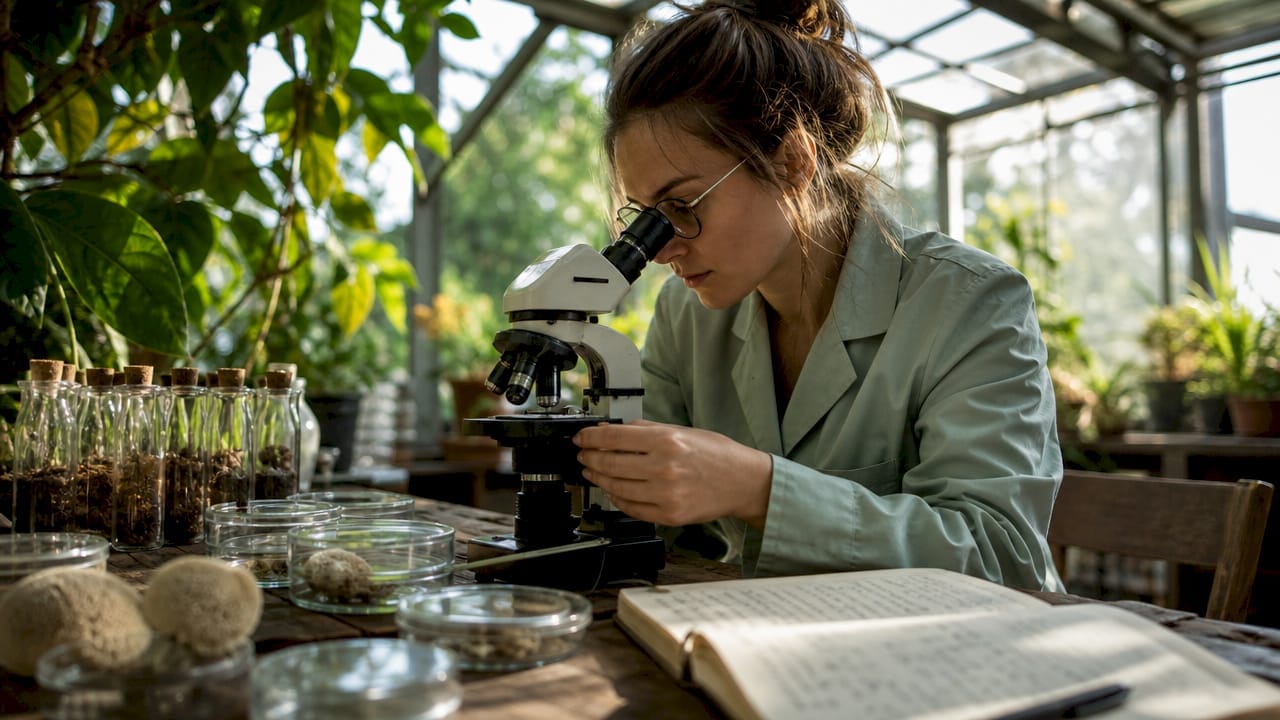
Mycology is defined as the branch of biology dedicated to studying fungi, including mushrooms, yeasts, and moulds, covering their classification, genetics, ecology, and practical applications. The term traces back to M.J. Berkeley in 1836, and the field formally separated from botany around 1969. Whether you are growing oyster mushrooms at home, researching spore morphology under a microscope, or following the latest advances in fungal biotechnology, mycology is the science underpinning all of it. This guide covers what mycology research involves, why studying fungi matters, and how the field connects to real-world applications from environmental remediation to mushroom cultivation.
What is mycology and what does it cover?
Mycology is the scientific study of fungi as a distinct kingdom of life, separate from plants, animals, and bacteria. Its scope spans taxonomy, genetics, biochemistry, ecology, and human applications. A mycologist might spend their career identifying wild species, engineering fungal strains for industrial use, or studying how mycelium networks exchange nutrients with tree roots. The field is far broader than most people expect.
Fungi classification sits at the heart of mycology. The kingdom Fungi includes five major phyla: Chytridiomycota, Zygomycota, Ascomycota, Basidiomycota, and Glomeromycota. Mushrooms belong primarily to Basidiomycota, while yeasts like Saccharomyces cerevisiae and common moulds like Aspergillus niger fall under Ascomycota. Understanding this classification helps you make sense of why different fungi behave so differently in cultivation, fermentation, and medicine.
What does a mycologist do in practice? The work ranges from fieldwork and specimen collection to laboratory analysis using molecular tools like polymerase chain reaction (PCR) and genome sequencing. Some mycologists focus on mycology science and education, building resources that help enthusiasts and students engage with fungal biology confidently.
What are fungi and why are they important?
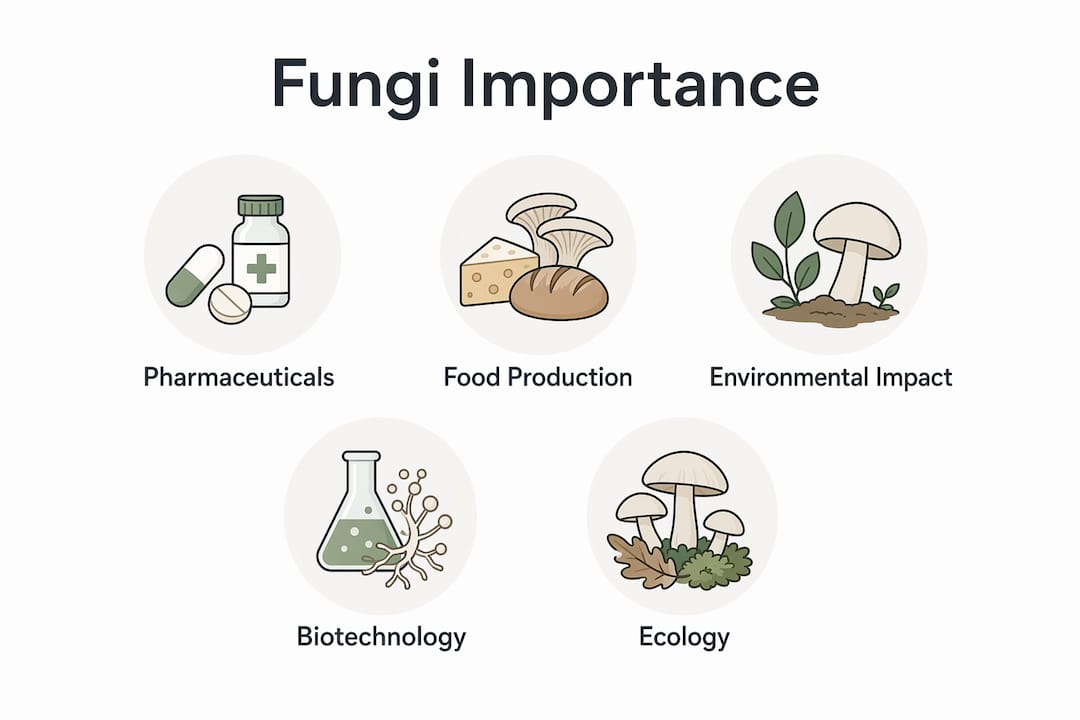
Fungi are eukaryotic heterotrophs, meaning they have complex cells with a nucleus and obtain nutrients by breaking down organic matter externally. This single characteristic makes them the planet’s most effective decomposers. Without fungi, dead plant material would accumulate indefinitely, and the carbon and nitrogen locked inside it would never return to the soil.
Their ecological roles extend well beyond decomposition:
- Nutrient cycling: Fungi mineralise organic compounds, releasing phosphorus, nitrogen, and carbon back into ecosystems.
- Mycorrhizal symbiosis: Over 90% of land plant species form partnerships with mycorrhizal fungi, which extend root systems and improve water and nutrient uptake.
- Lichen formation: Fungi partner with algae or cyanobacteria to form lichens, colonising bare rock and building soil in otherwise barren environments.
- Antibiotic production: Penicillium chrysogenum produces penicillin, one of the most important medicines in human history.
- Fermentation: Saccharomyces cerevisiae drives bread, beer, and wine production globally.
Fungi also carry a dual nature. The same kingdom that produces life-saving antibiotics includes species like Candida auris and Aspergillus fumigatus that cause serious infections in immunocompromised patients. Medical mycology addresses these pathogenic species, requiring constant research to protect human, animal, and plant health. Viewing fungi only as useful tools misses this complexity entirely.
The economic importance of fungi is equally significant. Fermented foods, pharmaceutical compounds, and the growing market for functional mushrooms like lion’s mane and shiitake all depend on applied mycological knowledge. You can read more about the health side of this in Sporebuddies’ guide to medicinal mushroom benefits.
How has mycology evolved with modern science?
Mycology shifted from a descriptive discipline to a predictive, applied science over the past three decades. The change was driven by molecular biology tools that let researchers read, edit, and model fungal genomes with precision. AlphaFold protein modelling and CRISPR have been particularly transformative, enabling mycologists to predict protein structures and edit fungal strains far faster than traditional breeding allowed.
The progression looks roughly like this:
- Pre-molecular era (pre-1990s): Classification relied on physical characteristics, spore morphology, and growth patterns. Progress was slow and identification was often ambiguous.
- Genomic sequencing (1990s–2010s): DNA barcoding and whole-genome sequencing resolved classification disputes and revealed thousands of previously unknown species.
- CRISPR strain engineering (2010s–present): CRISPR-Cas genetic editing accelerated strain development for industrial and medical applications, though it requires species-specific adaptations for filamentous fungi.
- Computational modelling (2020s–present): AlphaFold and related tools allow researchers to model fungal enzyme structures, speeding up the discovery of novel bioactive compounds.
- Mycelium-based materials: Fungi now produce biodegradable packaging, leather alternatives, and building insulation, with companies like Ecovative leading commercial development.
Pro Tip: If you are new to mycology research, start with spore microscopy before moving to molecular techniques. Observing spore morphology under a microscope builds the visual literacy that makes genetic data far more meaningful.
This evolution has not been without friction. Scaling fungal biotechnology from laboratory to commercial production remains difficult because filamentous fungi grow in unpredictable morphologies that are harder to manage than bacterial or yeast cultures. The valley of death in fungal biotech refers to this gap between promising lab results and viable commercial products, and it remains one of the field’s biggest practical challenges.
What practical applications does mycology have today?
Mycology research translates into a wide range of real-world applications, from your kitchen to industrial bioreactors. The table below summarises the major areas.
| Application | Method | Key benefit |
|---|---|---|
| Mushroom cultivation | Grow kits, spore syringes, sterilised substrates | Accessible food production at home or commercial scale |
| Mycoremediation | Fungi like Pleurotus ostreatus degrade pollutants | Sustainable, cost-effective environmental clean-up |
| Medical mycology | Antifungal drug development, pathogen surveillance | Protects human, animal, and crop health |
| Industrial fermentation | Yeast and mould-based bioprocessing | Produces enzymes, acids, and pharmaceuticals |
| Biomaterials | Mycelium composites replace plastics and foams | Reduces fossil fuel dependence |
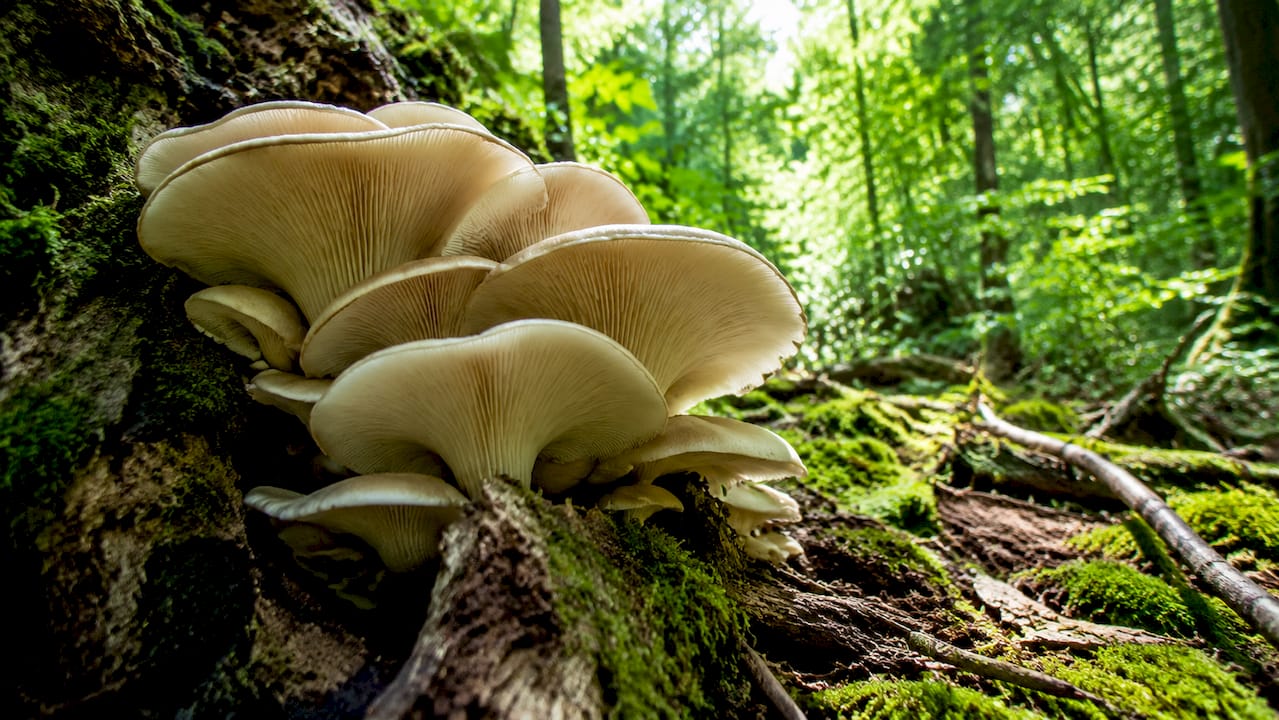
Mushroom cultivation is the most accessible entry point into applied mycology. Home growers use sterilised substrates such as supplemented hardwood sawdust or pasteurised straw to grow species like oyster, shiitake, and lion’s mane. The process teaches core mycological principles: contamination control, mycelial growth stages, and fruiting conditions.
Mycoremediation deserves particular attention. Pleurotus ostreatus, the common oyster mushroom, degrades hydrocarbons, heavy metals, and agricultural runoff through enzymatic activity. This approach offers integrated models that combine waste treatment with local economic benefits, though standardised cost-benefit frameworks are still lacking, which complicates wider adoption compared to conventional chemical methods.
Pro Tip: When setting up a home cultivation space, treat contamination prevention as your primary concern. Clean technique at inoculation is worth more than any expensive equipment you might add later. Sporebuddies’ home growing guide covers this in practical detail.
The importance of mycology in medicine is growing as fungal pathogens develop resistance to existing antifungals. Fungi’s dual role as both ecological partners and potential pathogens means medical mycologists must balance treatment innovation with ecological awareness.
What challenges and future prospects does mycology face?
Mycology is advancing rapidly, but several significant gaps remain. Understanding these challenges helps you appreciate why mycology research funding and public engagement both matter.
- Underexplored physiology: Applied mycological research attracts funding, but fundamental fungal physiology remains underexplored. This limits the bioeconomy’s ability to develop genuinely novel products rather than incremental improvements.
- Scaling problems: Inconsistent growth morphologies in filamentous fungi make industrial scale-up unpredictable. Bacterial and yeast systems have standardised toolkits; fungal systems do not yet have equivalent resources.
- Emerging pathogens: Climate change is expanding the geographic range of fungal pathogens. Species like Candida auris are spreading into new regions and developing resistance to multiple antifungal drugs.
- Mycoremediation standardisation: The efficacy of fungi in environmental clean-up is well demonstrated, but the absence of standardised life-cycle assessments makes it difficult to compare with physical or chemical remediation methods.
- One Health integration: Bridging medical, agricultural, and environmental mycology through integrated One Health strategies is the most promising direction for managing global fungal threats. This requires collaboration across disciplines that have historically worked in isolation.
Synthetic biology and computational modelling represent the most exciting near-term prospects. Researchers are building fungal chassis organisms, essentially standardised fungal platforms engineered to produce specific compounds on demand. Multi-disciplinary approaches combining genomics, ecology, and computational science are also proving essential for addressing climate change and food security challenges.
Key takeaways
Mycology is the scientific study of fungi that spans ecology, genetics, cultivation, and medicine, making it one of the most practically relevant branches of biology today.
| Point | Details |
|---|---|
| Mycology definition | Mycology covers fungal taxonomy, genetics, ecology, and applications, formally separated from botany around 1969. |
| Fungi’s ecological role | Fungi drive decomposition, nutrient cycling, and mycorrhizal symbiosis, making them indispensable to healthy ecosystems. |
| Modern tools | CRISPR and AlphaFold have shifted mycology from descriptive classification to predictive, applied biotechnology. |
| Practical applications | Mushroom cultivation, mycoremediation, and industrial fermentation are the three most accessible applied areas today. |
| Key challenge | Scaling fungal biotechnology from lab to commercial production remains the field’s most persistent obstacle. |
Mycology supplies and mushroom cultivation at Sporebuddies
Sporebuddies stocks everything you need to move from reading about fungi to working with them directly. The range includes mushroom spore syringes covering strains like Golden Teacher, B+, and Penis Envy, alongside complete mushroom growing kits for species such as oyster, shiitake, and lion’s mane. For those building a more serious setup, the mycology equipment range covers agar plates, microscopes, sterilised substrates, and spore prints. All products are supplied with educational guidance, so whether you are conducting microscopy research or growing your first flush, you have the right tools and the knowledge to use them well.
FAQ
What is the mycology definition in simple terms?
Mycology is the branch of biology that studies fungi, including mushrooms, yeasts, and moulds. It covers their classification, genetics, ecological roles, and practical uses in medicine, food, and industry.
Why study mycology?
Studying fungi reveals how ecosystems function, how medicines like penicillin are produced, and how fungi can clean up environmental pollutants. The field also underpins mushroom cultivation, fermentation, and emerging biomaterial technologies.
What does a mycologist do day to day?
A mycologist identifies and classifies fungal species, conducts laboratory research using tools like PCR and CRISPR, and studies fungal interactions with plants, animals, and the environment. Some mycologists focus on cultivation, others on pathology or industrial applications.
What are the main types of fungi in mycology?
The five major fungal phyla are Chytridiomycota, Zygomycota, Ascomycota, Basidiomycota, and Glomeromycota. Mushrooms belong primarily to Basidiomycota, while yeasts and most common moulds are Ascomycota.
What are the advantages of mycology research?
Mycology research produces antibiotics, antifungal treatments, fermented foods, biodegradable materials, and environmental remediation tools. It also supports food security by improving our understanding of mycorrhizal relationships that help crops grow.