
The medicinal mushroom market is booming, yet most shelves are crowded with products that promise everything and deliver little. With dozens of species marketed as health solutions, knowing which ones actually have solid evidence behind them is genuinely difficult. This article cuts through the noise by focusing on seven mushrooms with real research, practical uses, and honest growing advice. Whether you are supplementing for immunity, mental clarity, or endurance, or you want to grow your own supply at home, this guide gives you the criteria, the comparisons, and the confidence to choose wisely.
Table of Contents
- How to choose effective medicinal mushrooms
- Top 7 medicinal mushrooms and their benefits
- How these mushrooms compare: A quick look
- Growing medicinal mushrooms at home: What works and what to avoid
- What to watch for: Side effects, risks, and smart supplement use
- Why not all mushrooms are created equal: Our take
- Explore quality mushroom kits and resources
- Frequently asked questions
Key Takeaways
| Point | Details |
|---|---|
| Choose evidence-backed types | Lion’s Mane and Cordyceps have the strongest human data for cognition and endurance. |
| Prioritise safe sourcing | Select fruiting body mushrooms from trusted growers or brands to avoid heavy metals. |
| Use bioactive extraction | Hot water and alcohol extractions yield the most potent wellness effects. |
| Consider home growing | Simple sawdust block and log methods enable affordable, high-quality mushrooms at home. |
How to choose effective medicinal mushrooms
Before diving into the examples, let us outline what makes a medicinal mushroom truly effective. Not every mushroom labelled “medicinal” earns that title. The best ones have published human trials, not just petri dish or rodent data. Human evidence is strongest for Lion’s Mane and Cordyceps, while others show promise but have more limited clinical trials.
Knowing the key bioactive compounds helps you read labels critically:
- Beta-glucans: Polysaccharides that activate immune cells. Beta-glucans research confirms their role as the primary immune-modulating compounds in most medicinal mushrooms.
- Triterpenoids: Anti-inflammatory compounds found especially in Reishi.
- Phenolics: Antioxidant molecules that protect cells from oxidative stress.
Extraction method matters enormously. Hot water extraction releases beta-glucans, while alcohol extraction pulls out triterpenoids. A dual-extracted product gives you both. Bulk powders or capsules made from mycelium grown on grain often contain more starch than active compounds, so always check the label for extraction details.
Sourcing is equally important. Mushrooms are bioaccumulators, meaning they absorb whatever is in their growing environment, including heavy metals and pesticides. Stick to suppliers who test for contaminants and use clean substrates. For mushroom wellness goals, fruiting body extracts are consistently preferred over mycelium-on-grain products for potency.
Pro Tip: Look for a supplement that lists its beta-glucan percentage on the label. A quality product typically shows at least 20 to 30% beta-glucans in the fruiting body extract.
Top 7 medicinal mushrooms and their benefits
With the selection criteria set, let us explore the top mushrooms that meet them.
| Mushroom | Primary benefit | Best form | Approx. grow time |
|---|---|---|---|
| Lion’s Mane | Cognitive support | Dual extract | 4 to 6 weeks |
| Reishi | Immune and stress | Dual extract | 3 to 6 months |
| Cordyceps | Endurance | Extract capsule | Specialist grow |
| Turkey Tail | Gut and immune | Hot water extract | 6 to 12 months |
| Chaga | Antioxidant | Chunk or extract | Wild harvested |
| Shiitake | Cardiovascular | Whole food or extract | 6 to 12 weeks |
| Maitake | Immunity and energy | Extract or fresh | 3 to 6 months |
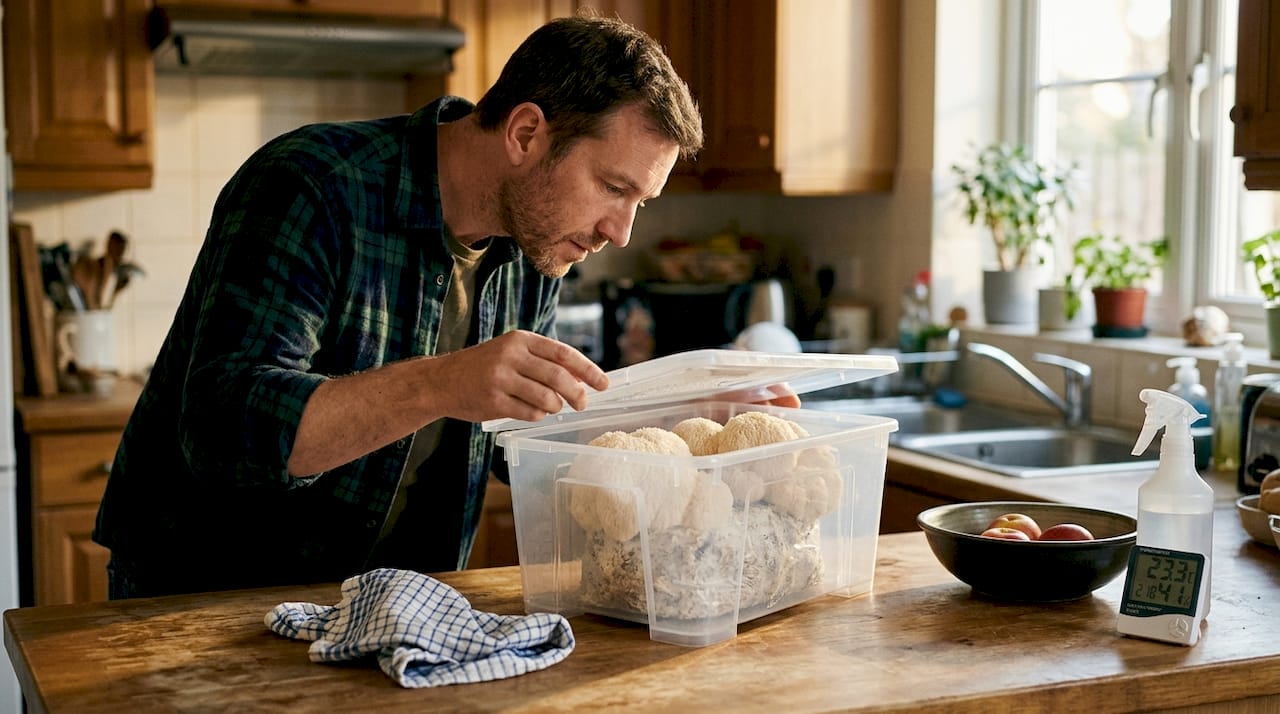
Lion’s Mane (Hericium erinaceus) is arguably the most exciting mushroom for brain health. Cognitive support studies show improvements in memory and focus, with hericenones and erinacines stimulating nerve growth factor. If you want to understand lion’s mane benefits in more detail, the evidence is genuinely compelling.
Reishi (Ganoderma lucidum) is the classic adaptogen. Reishi immune studies confirm immune-boosting effects and stress reduction, with a strong safety record across long-term use.
Cordyceps (Ophiocordyceps sinensis and Cordyceps militaris) is the athlete’s mushroom. A recent endurance meta-analysis found meaningful improvements in VO2 peak and exercise capacity.
Turkey Tail (Trametes versicolor) supports gut microbiome diversity and immune function. Its immune and gut benefits make it a popular adjunct in integrative oncology settings.
Chaga (Inonotus obliquus) is rich in antioxidants and melanin compounds. Chaga cognitive research points to potential neuroprotective effects, and you can explore Chaga supplement facts to see how it compares as a daily supplement.
Shiitake (Lentinula edodes) contains lentinan, a beta-glucan with strong immunomodulatory properties. Shiitake cardiovascular data supports cholesterol-lowering effects with regular dietary consumption.
Maitake (Grifola frondosa) rounds out the list with broad immune support and potential anticancer activity. Maitake beta-glucan findings highlight its D-fraction compound as particularly active.
Pro Tip: If you are new to growing, start with Lion’s Mane at home. It fruits quickly, tastes excellent, and gives you a tangible wellness reward within weeks.
How these mushrooms compare: A quick look
Now, let us compare the mushrooms directly to help you match your needs easily.
| Mushroom | Immune | Cognitive | Energy | Cardiovascular | Home grow difficulty | Risk level |
|---|---|---|---|---|---|---|
| Lion’s Mane | Moderate | High | Low | Low | Easy | Very low |
| Reishi | High | Moderate | Moderate | Moderate | Moderate | Low |
| Cordyceps | Moderate | Low | High | Moderate | Difficult | Very low |
| Turkey Tail | High | Low | Low | Low | Moderate | Very low |
| Chaga | Moderate | Moderate | Low | Low | Not practical | Low |
| Shiitake | High | Low | Low | High | Easy | Very low |
| Maitake | High | Low | Moderate | Moderate | Moderate | Very low |
One statistic worth remembering: beta-glucans are the primary active immune modulators across nearly all of these species. Beta-glucan immune data consistently shows they activate macrophages and natural killer cells, which are your body’s front-line defenders.
For home growers, fruiting body quality is the deciding factor. Fruiting bodies consistently outperform mycelium-on-grain products for bioactive content, so growing your own fruiting bodies gives you a genuine advantage over many shop-bought supplements.
If your primary goal is health and wellness with mushrooms, the table above helps you prioritise. Immune support? Reishi, Turkey Tail, or Shiitake. Cognitive edge? Lion’s Mane, clearly. Energy and endurance? Cordyceps, with Maitake as a solid secondary option.
Growing medicinal mushrooms at home: What works and what to avoid
Practical interest in growing these mushrooms is rising fast, but what is actually realistic for home cultivation?
Here are the main methods, from quickest to most involved:
- Oyster mushroom straw bags: The fastest route. Oyster on straw takes roughly 3 to 5 weeks from inoculation to harvest. Beginner-friendly and forgiving.
- Sawdust blocks: Suitable for Lion’s Mane, Shiitake, and Maitake. Expect 4 to 6 weeks to fruiting. Requires a pressure cooker for sterilisation.
- Hardwood logs: Ideal for Shiitake, Turkey Tail, and Reishi. Log cultivation is cost-effective and sustainable, producing flushes for several years, though you will wait 6 to 18 months for the first harvest.
- Grow kits: Pre-colonised blocks that remove most of the technical steps. A good starting point if you want results without the learning curve. Check our mushroom grow kit FAQ for guidance on what to expect.
Safety during cultivation is non-negotiable. Pasteurise straw at 70 to 80°C for one hour before use. Sterilise sawdust blocks at 121°C under pressure. Keep your workspace clean to prevent mould contamination, which is the most common reason beginner grows fail.
Chaga is the one exception here. It grows on birch trees over many years and is not practical to cultivate at home. Source it from reputable wild harvesters who test for heavy metals.
Pro Tip: If you want a perennial outdoor yield, inoculate hardwood logs with Shiitake or Turkey Tail plugs. Once established, logs fruit every spring and autumn for up to five years. Learn to take spore prints from your best specimens to preserve genetics for future grows.
What to watch for: Side effects, risks, and smart supplement use
After benefits and cultivation, it is just as important to be realistic about the risks and proper habits.
Most medicinal mushrooms are well tolerated, but side effects do occur, particularly when you start with high doses or use low-quality products. Common issues include:
- Digestive upset: Bloating, loose stools, or nausea, especially with Reishi or Chaga at high doses.
- Allergic reactions: Rare but possible, particularly with Shiitake (Shiitake dermatitis is a documented condition from raw or lightly cooked mushrooms).
- Blood-thinning interactions: Reishi and Turkey Tail may amplify anticoagulant medications.
- Heavy metal accumulation: Unregulated wild-harvested mushrooms carry genuine contamination risk.
The general guidance on supplement risks is clear: rare liver injury has been reported with high-dose Reishi, and GI upset is the most common complaint across species. Always start low and increase gradually.
If you are pregnant, breastfeeding, immunocompromised, or taking prescription medication, speak to your GP before adding medicinal mushrooms to your routine. This is not optional caution; it is sensible practice.
For those exploring mushroom microdosing safety, the same principle applies: start conservatively, track your response, and adjust based on how your body reacts over several weeks.
Why not all mushrooms are created equal: Our take
Let us step back for a frank assessment you rarely hear in wellness circles. The supplement industry has a transparency problem. Many mushroom products are made from mycelium grown on grain, then dried and powdered without any extraction step. What you get is mostly starch with trace bioactives. The label may say “lion’s mane” but the beta-glucan content could be negligible.
Proper extraction methods such as hot water and alcohol genuinely enhance bioavailability, and that distinction separates a product that works from one that does not. Growing your own fruiting bodies and using a simple hot water decoction at home can outperform many expensive capsules.
Our honest verdict: match your mushroom to your actual goal, verify the extraction process, and treat any new supplement as a trial. A practical microdosing guide can help you build a structured approach rather than guessing. Quality and intention matter far more than brand prestige or marketing claims.
Explore quality mushroom kits and resources
Ready to grow or supplement with confidence? Here is where to start safely. At Spore Buddies, we stock a range of beginner grow kits that are UK-sourced, ready to fruit, and designed to take the guesswork out of home cultivation. Whether you want Lion’s Mane for cognitive support or Shiitake for everyday nutrition, our kits give you a clean, reliable starting point.
For deeper reading on benefits, safety, and usage, our mushroom health guides cover each species in detail. Growing your own medicinal mushrooms is one of the most rewarding ways to take control of your wellness, and we are here to support every step of that journey.
Frequently asked questions
What is the most evidence-backed medicinal mushroom?
Lion’s Mane and Cordyceps have the strongest human clinical evidence, with Lion’s Mane leading for cognition and Cordyceps for endurance and aerobic capacity.
Can I grow medicinal mushrooms at home without special equipment?
Yes, oyster and Lion’s Mane mushrooms grow well on sawdust blocks or straw indoors with basic pasteurisation; logs work outdoors with minimal setup and produce harvests for years.
Are medicinal mushrooms safe for daily use?
Most are safe for daily use at moderate doses, but rare liver injury and GI upset have been reported with Reishi; always consult your doctor if you take regular medication.
Which bioactive compounds matter most in medicinal mushrooms?
Beta-glucans are the most important for immune support, while triterpenoids provide anti-inflammatory effects and phenolics contribute antioxidant protection across most species.