
Mushroom Grow Kits & Contamination FAQ
SporeBuddies Help Centre
Your Complete Guide to Mushroom Grow Kits, Mycelium Development & Contamination Prevention
Welcome to the SporeBuddies Help Centre — a dedicated resource for anyone exploring mushroom grow kits, mycelium development, and contamination prevention in mycology.
Whether you’re working with ready-to-grow mushroom kits, pre-sterilised grow bags, or substrate-based systems, this FAQ explains what to expect during colonisation, how long mushroom growing typically takes, and how to identify healthy growth versus contamination.
All information on this page is provided for legal mycology and educational use only. It is the responsibility of the user to ensure the species they work with are permitted in their region.
If you ever get stuck, just send us a message — we’re always happy to help.
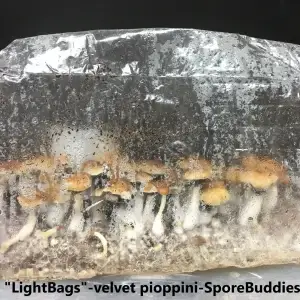
Ready to Grow Mushroom kits
See our ready to grow Mushroom kits all in one category. Just inject with spores and these all in one grow mushroom kits will do the rest.
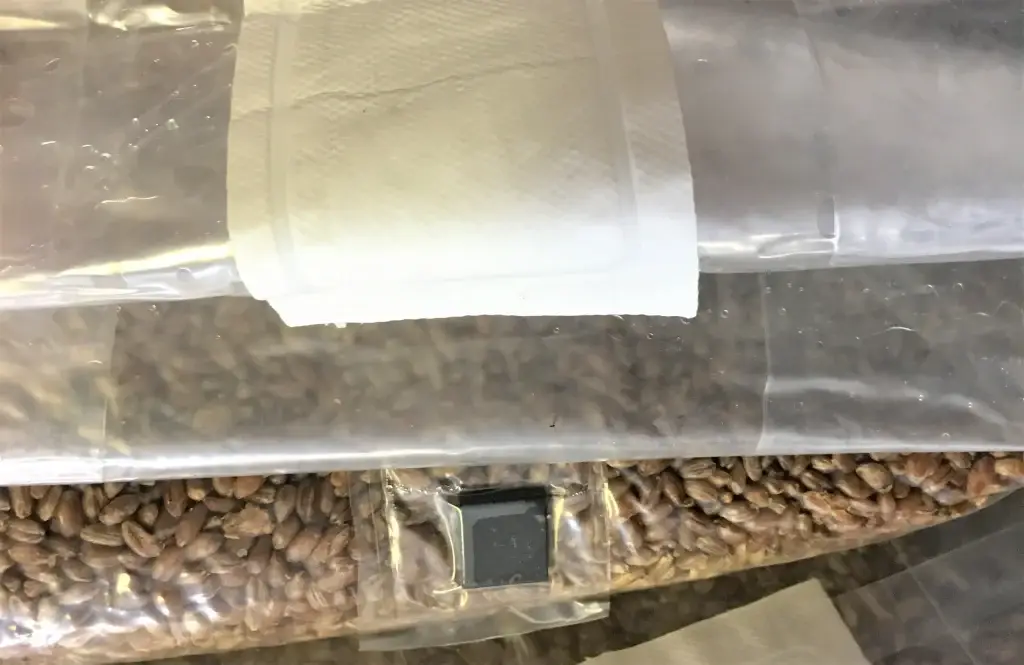
Pre-sterilised Grow Bags
Need pre-sterilised Grow Bags for mushroom growing at home? We have you covered with multiple sizes of Pre-sterilised grow bags on offer.
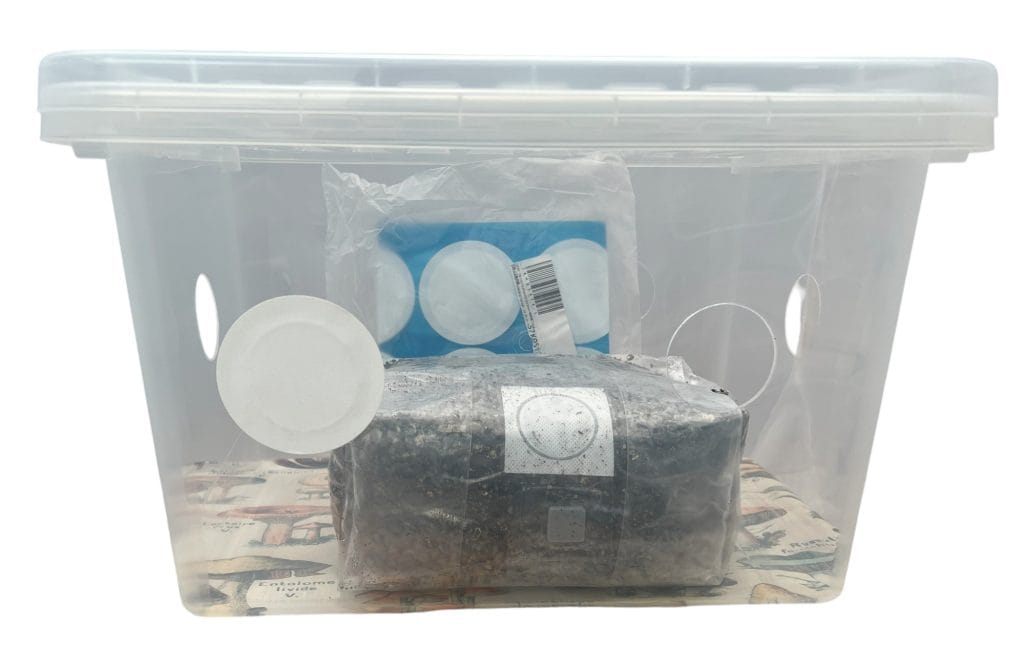
Substrate based systems
Tub and substrate based mushroom grow kits including Monotub grow mushroom kits and PF-Tek MycoBox Grow mushroom Kits containing all the substrate needed.
Mushroom Grow Kits – General Questions
What Is a Mushroom Grow Kit?
A mushroom grow kit is a pre-prepared cultivation system designed to make growing mushrooms simple and accessible. Kits typically include a sterilised substrate that allows mycelium to develop and produce mushrooms when kept under suitable conditions.
Grow kits are commonly used by beginners, hobbyists, students, and anyone learning the fundamentals of fungal biology.
Do mushroom grow kits come with spores?
Mushroom grow kits sold in the UK do not come with spore syringes and these must be purchased in the shop.
Why Grow Mushrooms at Home?
Growing mushrooms at home allows you to:
Learn basic mycology principles
Observe mycelial growth first hand
Produce fresh mushrooms with minimal equipment
Gain experience before moving on to advanced cultivation methods
Many growers start with kits before progressing to bulk substrates or lab-based workflows.
Read our Beginner’s Guide to Growing Mushrooms at Home for step-by-step cultivation tips.
How Quickly Can Mushrooms Be Grown Using These Kits?
How Quickly Can Mushrooms Be Grown Using These Kits?
How Quickly Can Mushrooms Be Grown Using These Kits?
Inject and forget kits Under the right conditions, mushroom grow kits can begin producing their first flush in 2–6 weeks, depending on the species and environment. Some fast-growing varieties may show early development sooner, while others take longer to mature.
Temperature, humidity, and airflow all influence growth speed.
Browse All Inject-&-Forget Grow Kits
How Long Does It Take to Grow Mushrooms?
Most All in one kits follow a simple timeline:
Colonisation phase: 1–3 weeks
Fruiting phase: 1–3 weeks
Exact timing varies by species and growing conditions, so patience is often required.
Browse All-in-One Mushroom Grow Kits.
Placement, Environment & Daily Care
Placement, Environment & Daily Care
Can I Grow Mushrooms Indoors?
Most mushroom species grow best at stable temperatures between 24–27°C. In cooler indoor environments, temperature control may be required to maintain consistent growth.
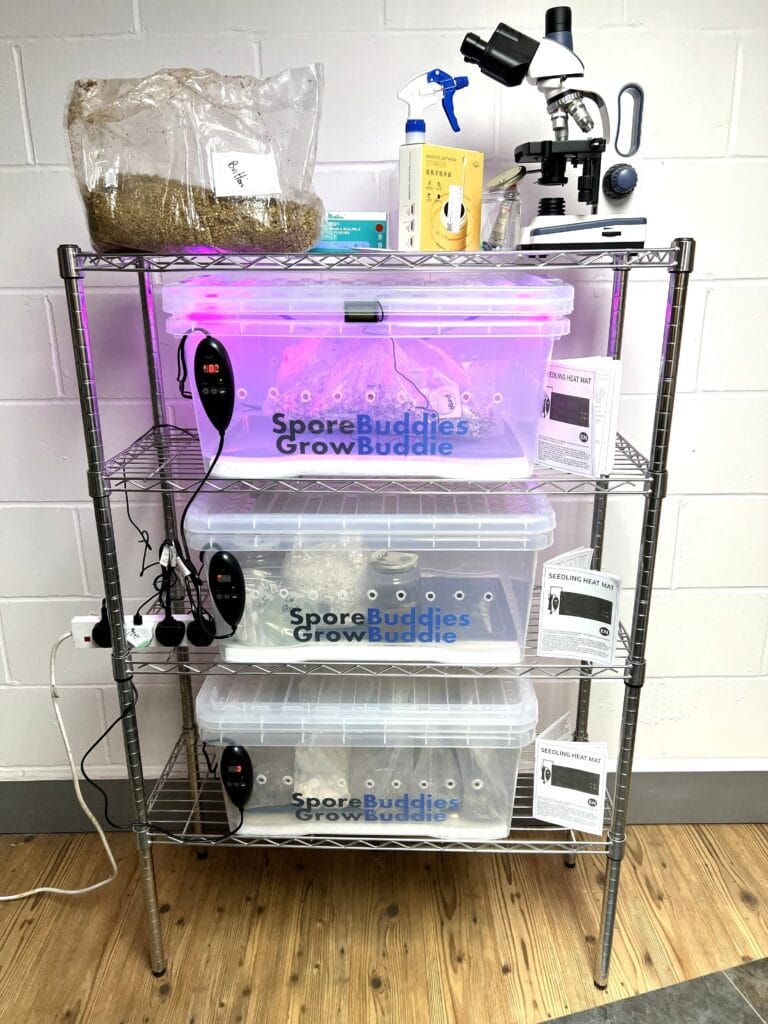
Mushroom incubators are used for indoor mushroom growing.
Where Is the Best Place to Put My Mushroom Kit While Growing?
The best location is a clean indoor space at stable room temperature, away from direct sunlight and strong drafts. Suitable locations include:
Kitchen counters
Utility rooms
Shelves away from pets
Avoid damp or mould-prone areas such as bathrooms or basements.
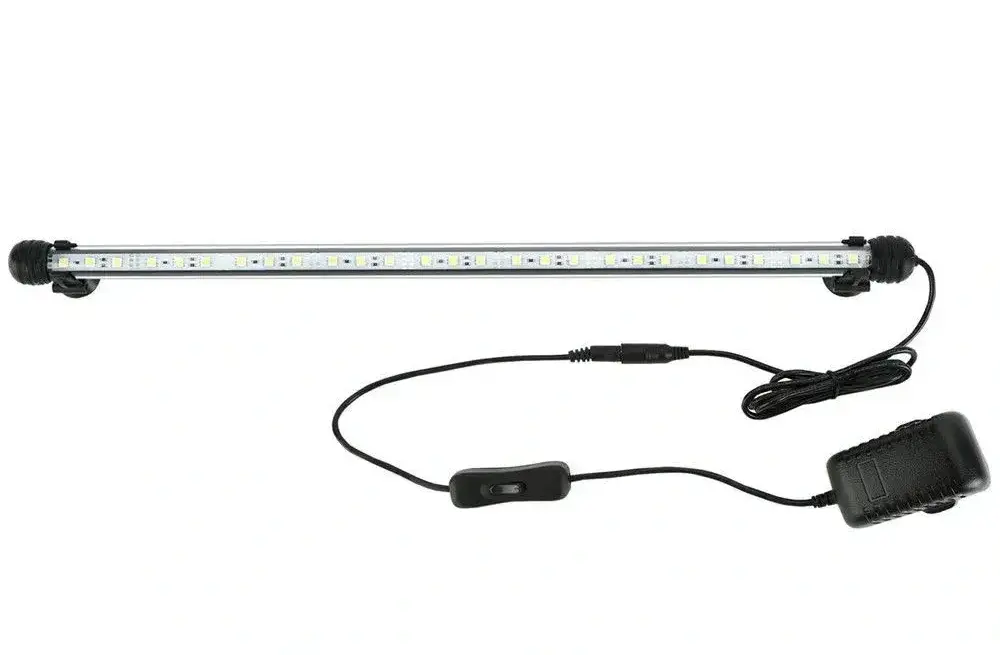
Do Mushroom Grow Kits Need Light?
Mushrooms do not rely on light for energy, but indirect light helps guide growth direction during the fruiting stage. Avoid direct sunlight, which will damage exposed mycelium
Can I grow mushrooms in a Monotub??
Yes, many Uk mushroom growers use the Monotub method to grow mushrooms. The plastic grow tub replaces the grow bag in this instance.
For an in depth look read our Monotub Mushroom Kit guide 25L – Spore Buddies for full Monotub instructions.
Do Mushroom Grow Kits Need Fresh Air?
Fresh air exchange is important during the fruiting stage to prevent elongated stems and support normal mushroom development.
Grow Bags have a filter patch at the top of the bag while Monotubs use Self adhesive filters for clean air flow.
How and How Often Should I Spray Water on the Mushroom Kit?
For Open bag mushroom growing. During fruiting, lightly mist the kit several times per day using clean water. Around 5–6 fine sprays per session is usually sufficient.
The goal is to maintain humidity without soaking the substrate. Do not allow standing water to form.
Sealed Bag mushroom grow kits like the All-in-one mushroom grow kits and Inject & Forget mushroom grow kits stay sealed while growing and are only opened while harvesting the mushrooms.
Is Condensation Inside the Grow Kit Normal?
Yes. Condensation inside a mushroom grow kit is normal and typically indicates adequate humidity during growth.
Mycelium Growth & Troubleshooting
Mycelium Growth & Troubleshooting
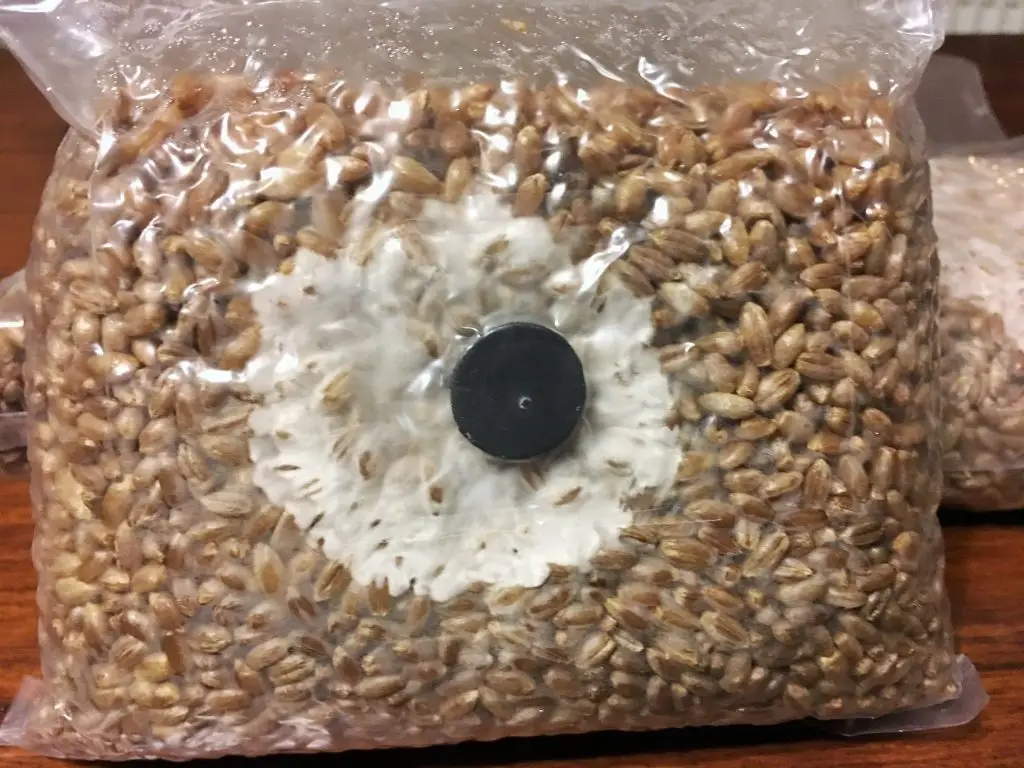
What Does Healthy Mycelium Look Like?
Healthy mycelium appears white and fluffy or thread-like. It spreads evenly across the substrate and indicates that the fungal network is developing correctly.
Is White Mould Inside the Kit Normal?
White growth is usually mycelium, not mould. This is a positive sign.
However, colours such as green, black, pink, or grey may indicate contamination and should be investigated.
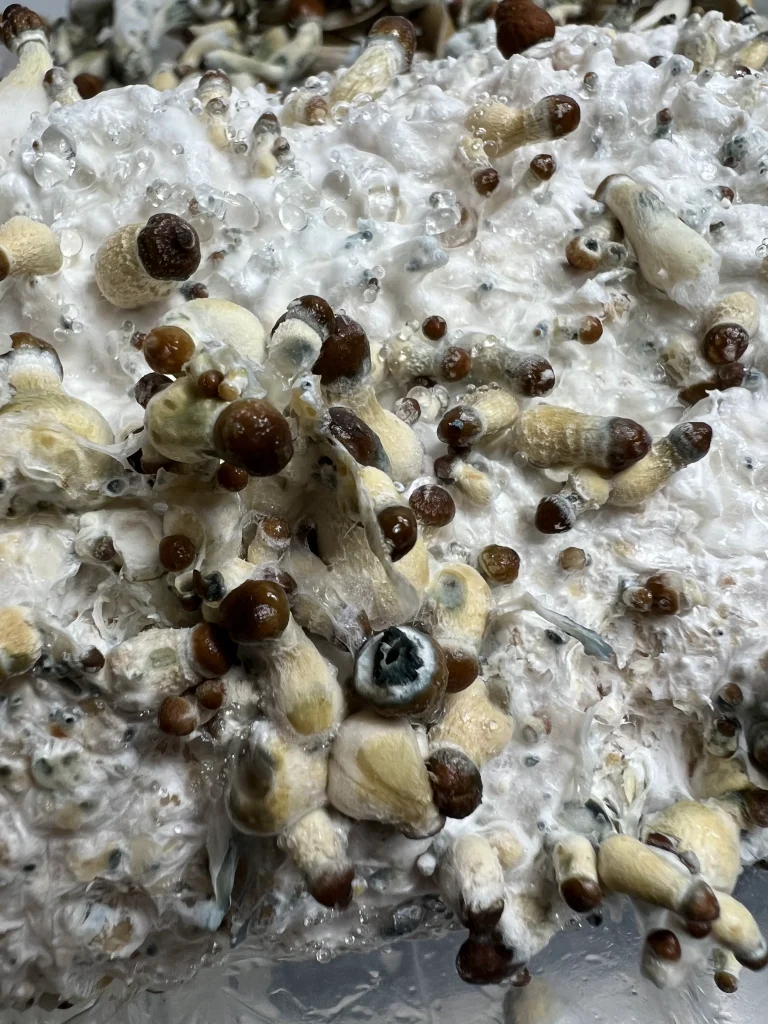
What Should I Do If My Kit Has Not Produced Mushrooms Yet?
If your kit hasn’t fruited yet:
Continue misting regularly
Check temperature and humidity
Allow an additional 1–2 weeks
Some species naturally take longer. If you’re unsure, contact our support team with photos.
Why Did My Grow Kit Stop Growing?
Growth may slow or stall due to:
Low humidity
Incorrect temperature
Lack of fresh air
Adjusting conditions often resolves the issue.
Contamination & Safety
Contamination & Safety
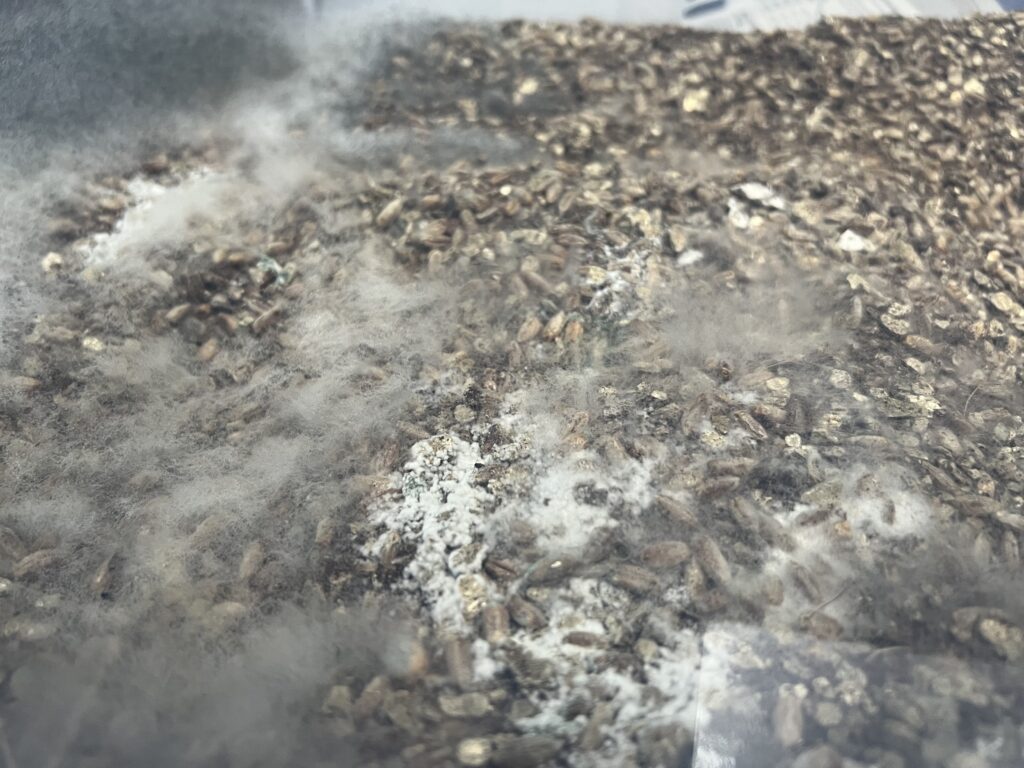
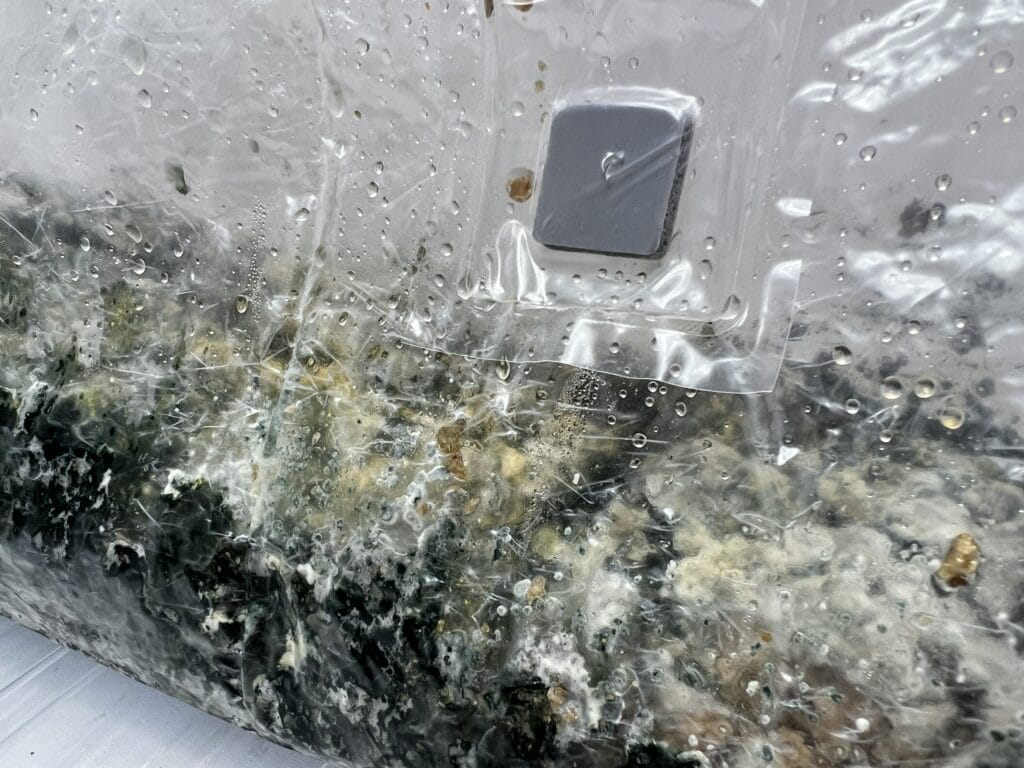
What Does Contamination Look Like in a Mushroom Grow Kit?
Common signs of contamination include:
Green mould
Black or grey patches
Sour or unpleasant smells
Healthy kits should smell earthy and fresh.
Is Green Mould Dangerous?
Green mould indicates contamination and should not be handled excessively. Dispose of contaminated kits safely and contact support for advice.
Can I Save a Contaminated Grow Kit?
Unfortunately, contaminated kits can not usually be saved. Prevention through proper placement and hygiene is the best approach.
Read here for, How do I reduce contamination in my grow kit?
What Should I Do If There Is an Issue With My Mushroom Growing Kit?
If you experience an issue:
Take clear photos
Include your order number
Contact our support team
Ready-to-grow kits are perishable and can only be returned if faulty on delivery.
Using Grow Bags & Injection Kits
Using Grow Bags & Injection Kits
Using Grow Bags & Injection Kits
Should I Remove the Plastic After Injecting Spores Into the Bag?
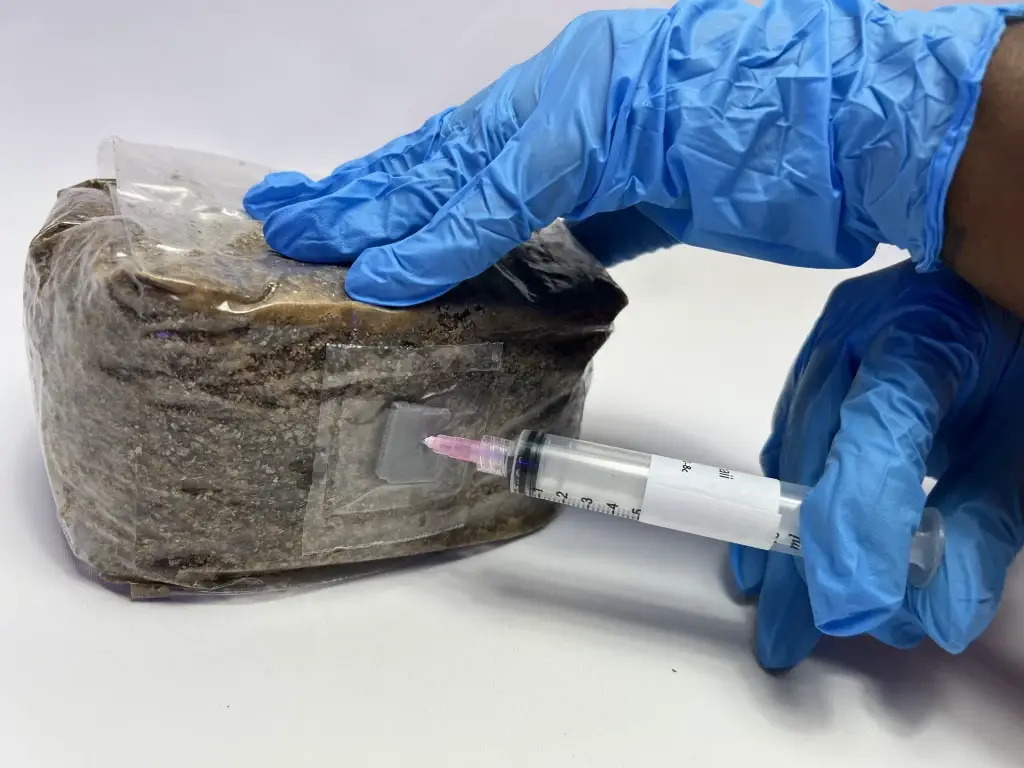
No. Leave the plastic in place. Grow bags are designed to maintain humidity and gas exchange. The mushrooms will naturally grow inside the grow bag when ready.
How Soon Should I Open My Mushroom Kit After Receiving It?
We recommend starting your kit as soon as possible after delivery. Do not open sealed kits unless instructed, as this can compromise sterility.
Do Mushroom Grow Kits Have an Expiry Date?
Kits do not have a fixed expiry date, but should be started within 5 days of delivery for best results.
Read the full Inject and forget How-To Guide here.
Kit Types & Species-Specific Questions
Kit Types & Species-Specific Questions
Kit Types & Species-Specific Questions
What Is the Difference Between Ready-to-Grow Kits and Ready-to-Fruit Blocks?
Ready-to-grow kits are beginner-friendly and require minimal setup.
Ready-to-fruit blocks are fully colonised substrates that require a controlled fruiting environment, such as a grow tent or chamber.
Do Lion’s Mane Grow Kits Behave Differently?
Yes. Lion’s Mane prefers higher humidity and steady airflow, and may fruit differently from other species.
Are Medicinal Mushroom Kits Harder to Grow?
Some medicinal species grow more slowly and require more stable conditions, but grow kits simplify the process significantly.
Orders, Delivery & Collection
Orders, Delivery & Collection
Do Mushroom Growing Kits Qualify for Free Delivery?
Free UK delivery is available on qualifying orders that meet the current minimum spend shown at checkout.
Are Returns Accepted for Ready-to-Grow Mushroom Kits?
Due to their perishable nature, ready-to-grow kits are non-returnable. If there is an issue on arrival, contact us with photos and order details.
Is It Possible to Collect an Order Directly From Your Store?
Yes. Select “Shop Arranged Collection” at checkout and email us to arrange a collection time. Collections are typically available Monday to Friday during business hours.
If you ever got stuck, just send us a message and we will be there to help.
Spore Buddies FAQ
What Are Mushroom Grow Kits?
Mushroom grow kits are pre-sterilised all-in-one substrate systems designed for people studying mycology, practising cultivation techniques, or working with legal gourmet species. Each kit includes:
Sterilised grain and substrate – prepared in a clean environment for consistent mycelial development.
A sealed container or grow bag – such as an Inject & Forget bag, Mycobox-style kit, or monotub-style unit.
Simple instructions – suitable for beginners exploring mycelium growth and experienced hobbyists refining their methods.
These kits are intended for general mycology use.
Users must ensure that any species they introduce to the kit are legal to cultivate in their region, as we cannot provide guidance on prohibited species.
Why Grow Mushrooms at Home?
Many people explore mushroom cultivation at home to learn more about mycology, substrate behaviour, and the fungal life cycle. Working with sterile substrates and observing mycelial growth can be highly rewarding for both beginners and experienced hobbyists.
Some key benefits include:
Hands-on learning
Cultivation provides a practical way to study how fungi grow, spread, and interact with different environments.
Skill development
Practising sterile technique, understanding contamination, and monitoring mycelium growth are foundational skills in mycology.
Sustainability & self-sufficiency
Those working with legal gourmet species appreciate the ability to cultivate produce locally and reduce reliance on commercial supply chains.
Users must ensure that any species they choose to work with are legal to cultivate in their region.
How long does it take to grow mushrooms?
The time required for mycelium to colonise a substrate varies depending on:
the species being used
the inoculation method
temperature and airflow
substrate composition
In general, our pre-sterilised all-in-one kits begin to show visible mycelial growth within 1–2 weeks under suitable conditions.
For example:
Compact grow boxes may fully colonise within 4-6 weeks when kept in the recommended temperature range.
Our mushroom grow bag kits Take 2–3 weeks to colonise the same amount of substrate.
Every kit includes guidance on ideal conditions to support consistent mycelial development.
Users are responsible for ensuring the species they introduce are legal to cultivate in their location.
What does contamination look like?
Contamination occurs when unwanted organisms — usually moulds or bacteria — compete with your mycelium. Recognising early signs helps prevent the issue from spreading.
Common indicators include:
Unusual colours
Green, black, yellow, blue, or pink patches typically signal contamination. Healthy mycelium is normally white.
Off-texture growth
Mycelium tends to appear rope-like or fluffy-white. Contaminants may look dusty, slimy, overly fuzzy, or powdery.
Strong or unpleasant odours
A sour or foul smell often indicates bacterial contamination.
Soft or wet patches
Bacterial contamination can create mushy or waterlogged areas on the substrate.
Maintaining cleanliness, following sterile technique, and closely monitoring your kit are important steps in reducing contamination risk.
Do I need any special equipment?
You do not need advanced laboratory equipment to begin exploring mycology at home. Most hobbyists use simple, accessible tools such as:
A sterile spore syringe for introducing spores to the substrate
A pre-sterilised mushroom growing kit
A warm, stable environment, such as a mushroom incubator or a consistently warm cupboard
Using a dedicated incubator — such as the GrowBuddie60 — can make temperature control easier, but it is not essential.
Users must ensure that any species they work with are legal to cultivate in their region.
Can I grow mushrooms indoors?
Yes — indoor environments are ideal for studying mycelial growth. Most people use spaces such as:
kitchen worktops
bedroom shelves
airing cupboards
controlled incubators
Indoor areas offer stable temperatures, reduced contamination risk, and consistent airflow.
Tools like the GrowBuddie60 mushroom incubator help maintain an optimal environment for mycelial development.
Remember: only cultivate species that are legal where you live.
Why Choose Mushroom Growing Kits from Spore Buddies?
Our kits are designed to make mycology more accessible, reliable, and enjoyable for beginners and experienced hobbyists alike.
Easy-to-use design
Options such as Inject & Forget bags and all-in-one grow kits simplify the mycelium growth process, making them suitable for first-time users.
Beginner friendly
Kits include clear, step-by-step guidance.
(UK sales do not include spores — users will need to purchase a compatible spore syringe separately.)
High-quality materials
All substrates are prepared in controlled environments for consistency and reliability.
Suitable for UK indoor conditions
Kits are designed to perform well in typical UK home environments, helping hobbyists achieve strong mycelial development under stable indoor conditions.
SporeBuddies provides equipment for legal mycology use only.
What can I do about the contamination?
Contamination can occur when bacteria or mould enter your growing environment. SporeBuddies products are designed to reduce this risk through:
pre-sterilised substrate bags and kits
sealed inoculation ports
cleanroom handling procedures
sterile needles included with spore syringes
Important:
Do not wipe or heat the needle included with your spore syringe — it is already sterile. Altering or reheating it may introduce contamination.
If you suspect contamination, you can:
discontinue use of the affected kit
avoid opening contaminated bags indoors
contact our customer support team for guidance
Following clean handling techniques and the steps in your kit instructions can significantly reduce contamination risk.
Need More Help With Mycology or Substrate Techniques?
If you’re new to mycology or refining your sterile workflow, we’re here to support your progress. The SporeBuddies team can help troubleshoot contamination, recommend suitable equipment, or guide you toward the best tools for practising safe and consistent fungal cultivation.
Whether you’re exploring compact grow kits, larger substrate systems, or lab-grade accessories, our Help Centre and product range are designed to make your learning journey easier.
If you ever need personalised advice, feel free to contact our support team — we’re always happy to help. 0800 069 9269