

Easy beginners guide to Growing Lion’s Mane Mushrooms at Home UK
Lion’s Mane mushrooms are valued for their unique appearance and growing popularity in the UK. This guide explains how to grow Lion’s Mane mushrooms at home using methods suitable for UK conditions, including temperature, humidity, and substrate considerations. If you are specifically interested in cultivating Lion’s Mane rather than mushrooms in general, this page focuses on the practical differences you need to know.
What You Need to Get Started
- Lion’s mane liquid culture – spore syringe: A ready to use syringe containing live, actively growing mycelium, available with fast UK delivery.
- Substrate: Hardwood sawdust or a mixture of sawdust and bran is ideal for Lion’s Mane.
- Sterilization tools: A pressure cooker or autoclave to prepare your substrate.
- Inoculation tools: Alcohol spray, sterile workspace, and gloves.
- Incubation environment: A warm, dark place for growth to be fast.
- Fruiting chamber: A space with proper humidity and fresh air exchange to encourage mushroom growth like the Growbuddie40 mushroom incubator.
Step-by-Step Guide
1: How to Prepare the Substrate for Lion’s Mane
- Ingredients for the Substrate:
- Hardwood Sawdust: A high quality hardwood sawdust is the primary substrate for Lion’s Mane mushrooms.
- Wheat Bran: An optional supplement that adds extra nutrients to boost mycelium growth.
- Water: Use distilled or sterilized water to hydrate the substrate.
- Step-by-Step Preparation:
- Mix hardwood sawdust and wheat bran in a ratio of 80:20 by weight (e.g., 800g of sawdust to 200g of wheat bran).
- Add water until the mixture reaches field capacity—moist but not dripping. A good test is squeezing the substrate; it should release only a few drops of water.
- Fill the substrate mixture into heat-resistant grow bags or jars.
- Sterilization:
- Sterilize the prepared substrate in a pressure cooker or autoclave at 15 PSI (121°C) for 90 minutes.
- Allow the substrate to cool completely before inoculation.
2: Inoculate with the Lion’s Mane Liquid Culture Syringe
- Ensure your workspace is sterile by disinfecting surfaces and tools. Wear gloves and use alcohol spray for added protection.
- Shake the liquid culture syringe to distribute the live mycelium evenly.
- Inject the liquid culture into multiple points of the substrate. This helps the mycelium colonize the substrate quickly and evenly.
- Seal the inoculated bags or jars to prevent contamination.
3: Incubate the Mycelium
- Place the inoculated substrate in a warm, dark environment with a temperature range of 20–24°C.
- Monitor the substrate over the next 2–3 weeks as the mycelium colonizes it. You’ll notice white, fluffy growth spreading through the substrate.
4: Fruiting
- Once the substrate is fully colonized, cut small slits or open the top of the grow bag to allow the mushrooms to fruit.
- Transfer the substrate to a fruiting chamber with high humidity (80–95%) and good air circulation. Maintain a temperature of 18–22°C.
- Ensure indirect light for 12–16 hours per day to support mushroom development.
- Within 1–2 weeks, you’ll see clusters of Lion’s Mane mushrooms forming. Harvest them when the spines are long and well-developed but before they begin to brown.
Tips for Success
- Keep the fruiting chamber clean and well maintained to avoid contamination.
- Mist the fruiting chamber regularly to maintain proper humidity.
- Harvest Lion’s Mane mushrooms gently to avoid damaging the substrate, allowing for potential second flushes.
Health Benefits of Lion’s Mane Mushrooms
Lion’s Mane mushrooms are celebrated for their unique health benefits, making them a popular choice for functional foods and supplements. Here are some of their key benefits:
- Cognitive Support: Compounds in Lion’s Mane, such as hericenones and erinacines, support nerve regeneration and cognitive function.
- Nerve Health: These mushrooms may promote the repair and growth of nerve cells, aiding in recovery from nerve injuries.
- Immune Boosting: Lion’s Mane helps enhance immune system function through its anti-inflammatory properties.
- Digestive Health: These mushrooms support gut health by promoting the growth of beneficial bacteria.
- Antioxidant Properties: Lion’s Mane is rich in antioxidants, which help protect the body from oxidative stress.
For more information about the health benefits of Lion’s Mane mushrooms, check out this educational article.
Why Choose the Lion’s Mane Liquid Culture Syringe?
- Fast and Reliable Growth: The liquid culture contains live, actively growing mycelium, ensuring faster growth and higher success rates.
- Easy for Beginners and Advanced Cultivators: This ready-to-use syringe simplifies the cultivation process for anyone.
- With fast UK delivery, you can start growing Lion’s Mane mushrooms right away.
- Fresh, Delicious Mushrooms at Home: Cultivating Lion’s Mane ensures a fresh and high-quality supply for your kitchen or health routine.
Growing Lion’s Mane mushrooms at home is a fun and rewarding experience. With proper care and the right tools, you’ll be enjoying these gourmet mushrooms in no time. Order your Lion’s Mane Liquid Culture Syringe today and take the first step toward growing this incredible mushroom!
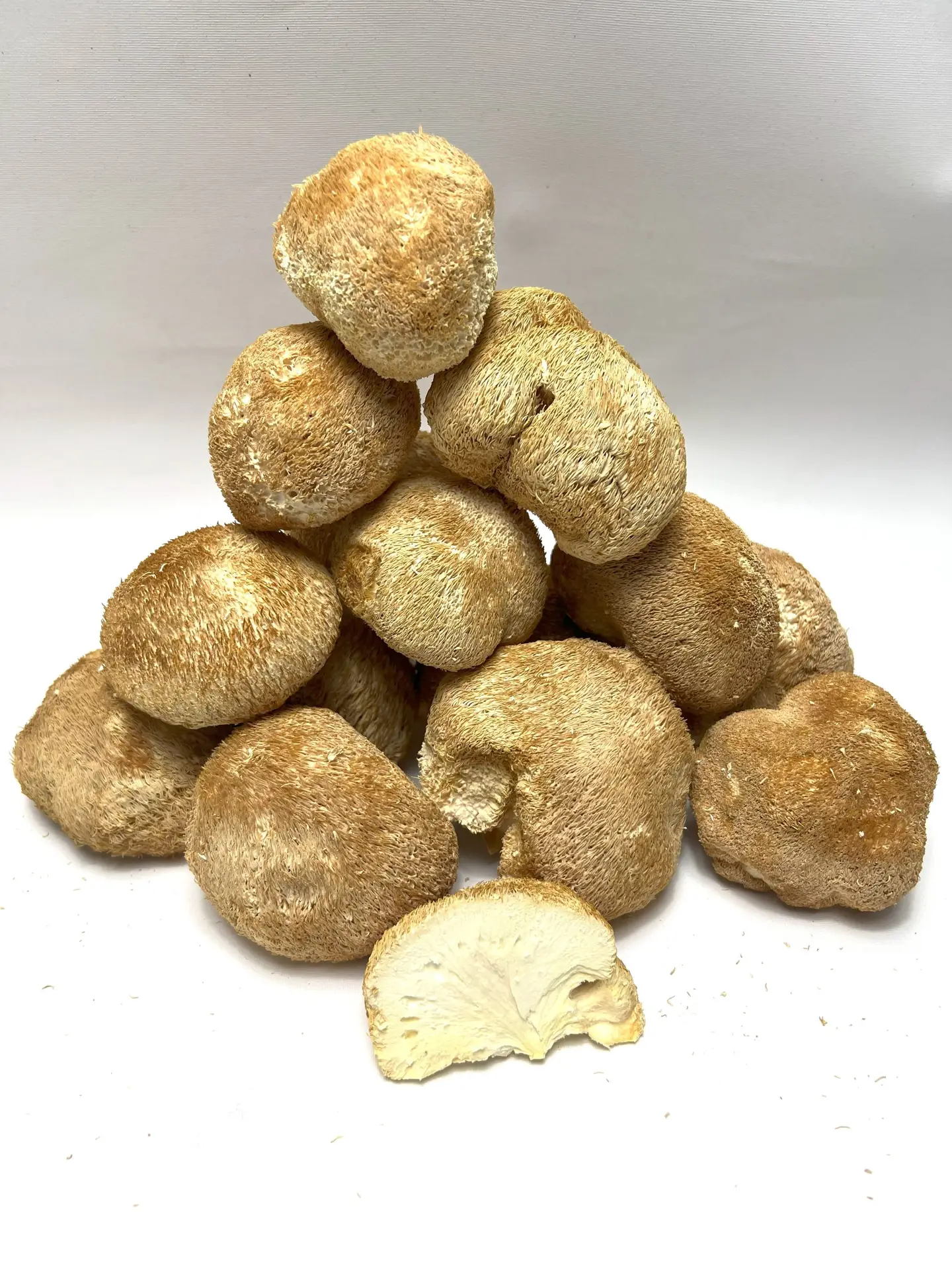
Buy dried and ready to eat Lion’s mane mushrooms dried and whole.
Or
More Reading:
Growing Mushrooms at Home | Beginner’s Guide to Growing Mushrooms – Spore Buddies