
Growing your own mushrooms at home is one of the most rewarding projects a UK hobbyist can take on. You get fresh, flavourful produce, a fascinating glimpse into the world of mycology, and the satisfaction of a genuinely productive hobby. Yet many beginners hit a wall quickly, confused by guides written for different climates, different laws, and different species. The good news is that edible mushrooms for UK growers include a wide range of native varieties perfectly suited to our conditions. This guide covers species selection, equipment, step-by-step cultivation, and troubleshooting, all tailored specifically for growers in the UK.
Table of Contents
- Choosing the right mushroom species for UK cultivation
- Essential equipment and substrates: What you need before you start
- Step-by-step mushroom cultivation: From inoculation to harvest
- Troubleshooting and safe, sustainable mushroom cultivation
- Why most mushroom cultivation advice misses the UK context
- Get started with proven UK mushroom growing solutions
- Frequently asked questions
Key Takeaways
| Point | Details |
|---|---|
| Choose native species | Selecting UK-native mushrooms protects biodiversity and ensures legal, safe home cultivation. |
| Preparation is essential | Gather the right equipment, sterile substrate, and the proper spawn before you start growing. |
| Follow clean techniques | Sterile preparation and careful monitoring prevent contamination and boost yields. |
| Watch for rapid growth | Mushrooms like oysters can double in size overnight, so regular observation is key. |
| Dispose responsibly | Always compost spent substrate if native, or discard safely if non-native, to protect local habitats. |
Choosing the right mushroom species for UK cultivation
The most important decision you’ll make is which species to grow. Get this right and everything else becomes much easier. Get it wrong and you’ll spend weeks nursing a crop that was never suited to your setup.
For UK home growers, native and well-established edible species are the safest and most productive starting point. Native strains help avoid invasive risks, and the RHS specifically recommends oysters, dryad’s saddle, and lion’s mane for home cultivation. These species thrive in UK temperatures and are forgiving for beginners.
| Species | Common use | Preferred substrate |
|---|---|---|
| Oyster mushroom | Cooking, stir-fries | Straw, coffee grounds, sawdust |
| Lion’s mane | Cooking, wellness | Hardwood sawdust |
| Turkey tail | Teas, wellness | Hardwood logs |
| Shiitake | Cooking | Oak or beech logs |
| Dryad’s saddle | Cooking (young) | Hardwood logs |
For those interested in legal magic mushroom spores, it’s worth reading up on the best strains for microdosing before you buy. Spores such as Golden Teacher and B+ are legal to purchase in the UK for microscopy and research purposes, though cultivation for consumption is a separate legal matter entirely.
Here’s a quick summary of what makes each species a good fit:
- Oyster mushrooms: Fast-growing, forgiving, and ideal for first-time growers
- Lion’s mane: Striking appearance, grows well indoors on hardwood
- Shiitake: Slightly more patience required, but excellent flavour reward
- Turkey tail: Best for outdoor log cultivation, very low maintenance
When choosing grow kits, match the kit to the species you’ve selected. A kit designed for oysters won’t suit shiitake without adjustment.
Pro Tip: Check the RHS website and local mycological society updates regularly, as species recommendations and guidance can change with new ecological research.
Essential equipment and substrates: What you need before you start
Once you’ve chosen your mushroom, gather everything you’ll need for a successful start. Skipping preparation is the single biggest reason beginner grows fail.
Substrate is the material your mushrooms grow in and feed from. Oysters grow on straw, coffee grounds, or sawdust, while lion’s mane prefers hardwood. Regardless of species, you must pasteurise or sterilise your substrate before use to kill competing moulds and bacteria.
| Spawn type | Best for | Approximate cost | UK availability |
|---|---|---|---|
| Grain spawn | Indoor bags and jars | £5 to £15 | Widely available |
| Sawdust spawn | Logs and hardwood bags | £5 to £12 | Good availability |
| Dowel spawn | Outdoor logs | £4 to £10 | Garden centres, online |
| Liquid culture | Advanced indoor grows | £8 to £20 | Specialist suppliers |
You’ll also need a basic set of tools. Most of these are inexpensive or already in your home:
- Spray bottle for misting
- Digital thermometer and hygrometer (measures humidity)
- Humidity tent or clear plastic bag
- Sharp knife or scissors for harvesting
- Latex or nitrile gloves
- Isopropyl alcohol (70%) for sterilising surfaces
- Large pot for pasteurising substrate
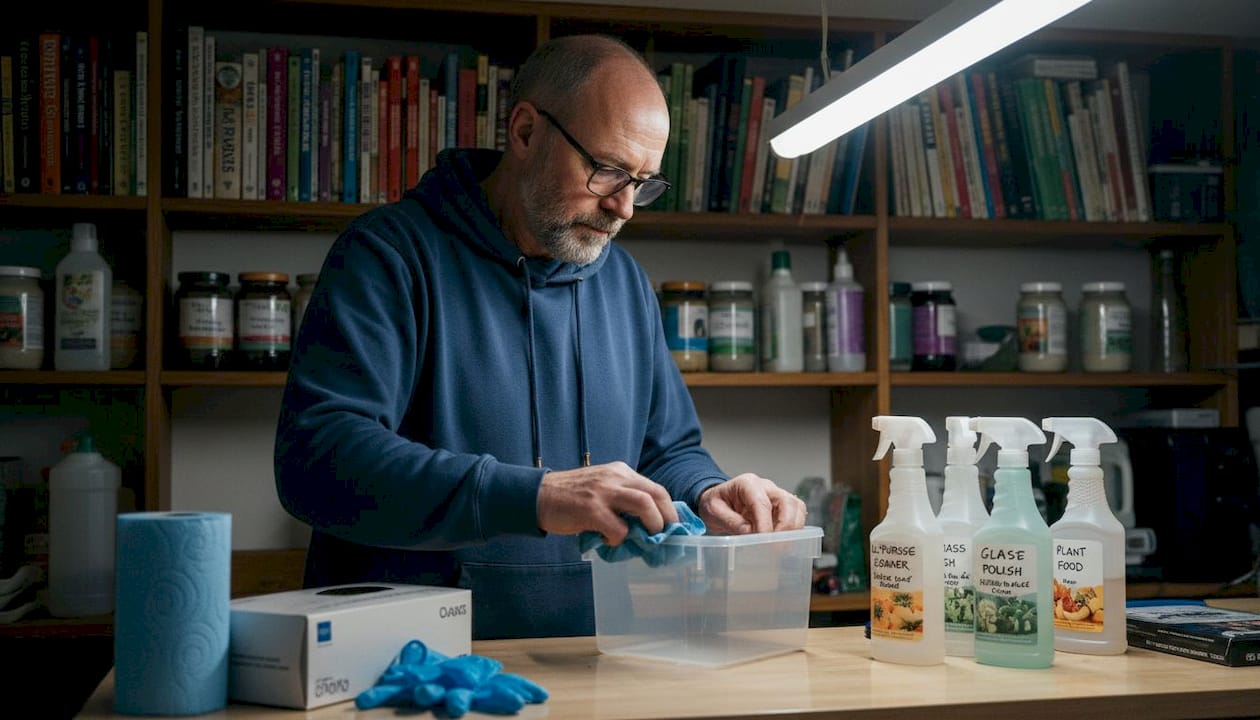
Sterile technique matters more than most beginners expect. Even a small amount of contamination can ruin an entire batch. Wipe surfaces, wear gloves, and work quickly when handling open substrate or spawn. If you’re unsure where to begin, the beginner’s mushroom guide covers the basics in plain language.
For ready-to-go options, kit FAQs explain exactly what’s included in starter kits and what you’ll still need to source separately.
Pro Tip: Clean takeaway containers with lids make excellent low-cost fruiting chambers for small indoor grows. Drill holes, cover with polyfill, and you have a functional setup for under £2.
Step-by-step mushroom cultivation: From inoculation to harvest
With preparation handled, here’s how to turn your materials into a flourishing crop. The process follows a clear lifecycle: inoculation, incubation, fruiting, and harvest.
- Prepare your substrate. Pasteurise straw at 70 to 80°C for one hour, or sterilise hardwood at 121°C under pressure. Allow it to cool completely before adding spawn.
- Inoculate. Mix your chosen spawn thoroughly into the cooled substrate. Work in a clean environment and seal the bag or container afterwards.
- Incubate. Incubate for 2 to 3 weeks at 18 to 24°C until white mycelium (the thread-like fungal network) covers the substrate fully. Healthy mycelium looks bright white and smells faintly mushroomy.
- Initiate fruiting. Move your block to a fruiting environment with higher humidity (85 to 95%), indirect light, and fresh airflow. Cut or open the bag to allow pinning (the first tiny mushroom buds).
- Mist and monitor. Mist two to three times daily to maintain humidity. Avoid misting directly onto pins, as this can cause rot.
- Harvest. Pick mushrooms just before the caps flatten out fully. Oyster mushrooms can double in size every 12 to 24 hours, so check daily once pins appear.
- Second and third flushes. After harvesting, rehydrate the block by soaking it in cold water for a few hours. Most species produce two to three flushes before the block is exhausted.
For outdoor cultivation, inoculate hardwood logs with dowel spawn and keep them in a shaded, moist spot. Burying spent substrate from native species in your garden can also encourage natural colonisation over time. If you’re thinking about selecting mushroom kits for outdoor use, choose species matched to your local tree species.
Pro Tip: After your first harvest, place the spent block in a tray of cold water overnight. This cold shock mimics autumn rain and often triggers a stronger second flush.
Troubleshooting and safe, sustainable mushroom cultivation
Even experienced growers face challenges, so here’s how to stay on track and grow responsibly. Most problems are preventable with a bit of foresight.
Common cultivation mistakes include:
- Green or black mould (Trichoderma or Aspergillus): Usually caused by poor sterilisation or contaminated spawn. Discard affected bags in sealed bin bags.
- Slow or no colonisation: Often a temperature problem. Check your incubation space stays consistently between 18 and 24°C.
- Thin or small fruiting bodies: Low humidity or poor airflow. Increase misting frequency and ensure your fruiting chamber has ventilation holes.
- Yellow or brown mycelium: A sign of metabolic stress, often from excessive CO2. Improve airflow immediately.
- No second flush: The block may be too dry. Rehydrate with a cold soak before giving up.
For contamination prevention, consistent sterile methods are your best defence. Sterile technique reduces contamination significantly and gives you far better yields across multiple flushes.
Important: Never introduce non-native mushroom strains into outdoor environments. Non-native species can spread aggressively, much like Japanese knotweed, and cause lasting ecological damage to UK habitats. Always compost spent substrate outdoors only if you grew a native UK species.
Positive signs your crop is thriving include bright white mycelium with no off-colour patches, firm and evenly-shaped fruiting bodies, and a clean, pleasant mushroom scent throughout the grow. If you notice persistent green mould despite correct technique, consider seeking advice from a mycological society or specialist supplier.
Why most mushroom cultivation advice misses the UK context
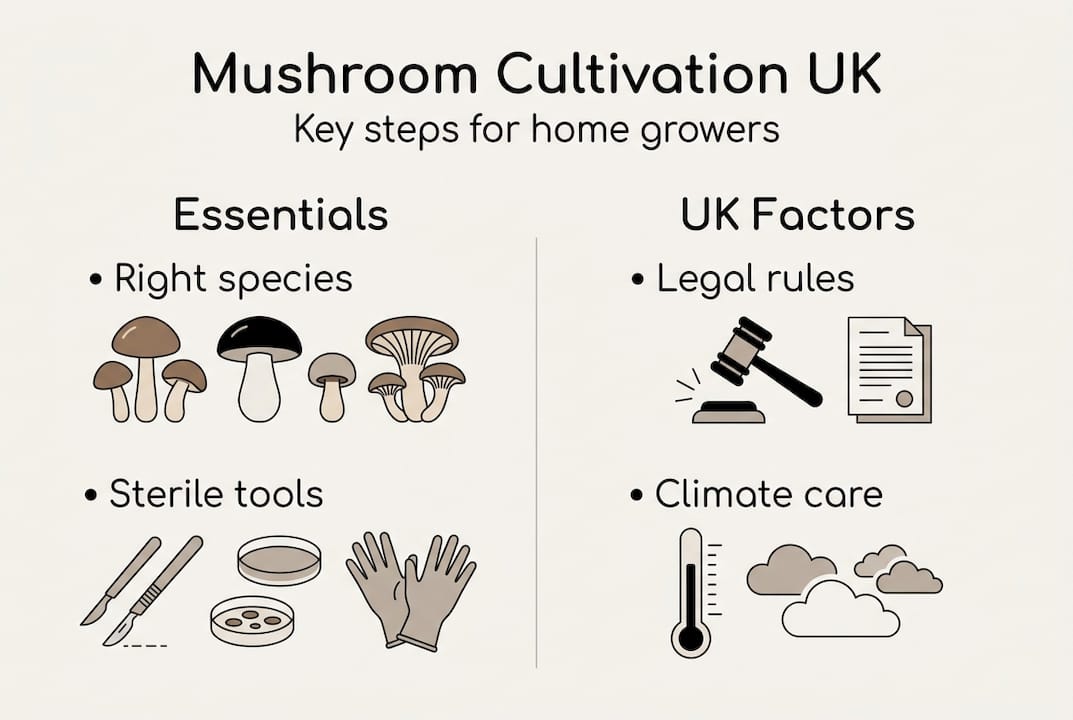
Having covered the practical steps, it’s worth addressing something most guides simply overlook: the majority of mushroom cultivation content online is written for North American or mainland European growers. That matters more than you might think.
The UK has specific legal considerations around magic mushroom spores that differ from both the US and the Netherlands. Ecologically, the UK’s biodiversity framework means that introducing non-native fungal strains outdoors carries real legal and environmental risk. The RHS stresses using native species to protect local ecosystems, and that guidance is specific to UK conditions.
Beyond legality, UK weather patterns mean your indoor humidity and temperature management will differ from advice written for drier or warmer climates. Our ambient humidity is often higher, which can actually reduce the amount of misting needed but increases the risk of contamination if airflow is poor.
The honest truth is that following generic guides without adapting them to the UK context is one of the most common reasons home grows fail here. We’d encourage you to read the UK mushroom safety guide before starting, especially if you plan to grow outdoors or experiment with less common species. Native knowledge, applied locally, is always more valuable than imported advice.
Get started with proven UK mushroom growing solutions
If you’re ready to move from reading to growing, Spore Buddies has everything you need to get started with confidence. Our range of mushroom growing kits covers popular edible species including oyster, lion’s mane, and shiitake, all sourced and supplied for UK conditions. Each kit comes with clear instructions so you’re never left guessing. For growers looking to scale up or share the hobby, our bulk grow kits offer excellent value without compromising on quality. Whether you’re a complete beginner or you’ve already had a few flushes under your belt, we stock the supplies, spores, and educational resources to help your next grow be your best one yet.
Frequently asked questions
What mushrooms are easiest for beginners to grow in the UK?
Oyster mushrooms, particularly blue or pink varieties, are the most beginner-friendly choice in the UK. They double in size every 12 to 24 hours once pinning begins, making progress easy to see and harvests quick to achieve.
Can I legally grow magic mushrooms at home in the UK?
You can legally purchase and study magic mushroom spores for microscopy and research in the UK, but cultivating them for consumption is illegal under current law. Always check the latest regulations before purchasing any spore products.
Why should I only use native mushroom strains outdoors?
Non-native strains can spread beyond your garden and damage local ecosystems, much like other invasive species in the UK. Using only native species protects UK biodiversity and keeps your growing practice responsible.
What do I do with spent mushroom substrate?
You can compost spent native substrate safely in your garden. If you grew non-native species, seal the substrate in a bag and dispose of it in general waste to avoid any environmental risk.
How can I avoid contamination during cultivation?
Sterilise your substrate thoroughly, wipe down all surfaces with isopropyl alcohol, and always wear gloves when handling open bags. Sterile methods are essential for consistent yields and healthy flushes.