
Microdosing — taking sub-perceptual doses of a psychedelic substance, most commonly psilocybin mushrooms or LSD — is associated with a recognisable cluster of side effects even at low doses. The most commonly reported physical side effects include headache, nausea, dizziness, increased blood pressure, insomnia, gastrointestinal upset, temperature regulation issues, and appetite changes. On the psychological side, anxiety, paranoia, irritability, poor concentration, fatigue, and mood worsening are frequently reported. One important caveat: survey data suggests roughly 1-in-5 people experience negative effects in some samples, yet observational surveys tend to report more adverse events than controlled trials. If you experience severe agitation, confusion, high fever, or chest pain, contact 999 immediately or call NHS 111 for urgent non-emergency advice. Sporebuddies’ microdosing safety guidance covers red flags and interactions in more detail.
- Physical: headache, nausea, dizziness, raised blood pressure, insomnia, gastrointestinal upset, temperature dysregulation, appetite changes
- Psychological: anxiety, paranoia, irritability, poor concentration, fatigue, mood worsening
Pro Tip: If you are new to this area, read through the full article before making any decisions. The risk profile varies considerably depending on your personal health history.
Table of Contents
- What does the common microdosing side effects list look like in practice?
- How common are side effects, and what does the evidence actually show?
- Who is at higher risk of side effects?
- When should you seek medical help?
- Why unregulated supply raises your risk considerably
- Key takeaways
- FAQ
What does the common microdosing side effects list look like in practice?
How common are side effects, and what does the evidence actually show?
The honest answer is that the evidence base is still developing, and the quality varies considerably.
A critical review synthesising 57 human studies found that outcomes are shaped by expectations, context, and baseline mental health state. Observational studies and self-report surveys tend to show more benefits and fewer adverse events than controlled trials, which are more conservative. A pre-registered meta-analysis of 14 studies (N = 1,614) found a decrease in cognitive control with mixed effects elsewhere, and no consistent moderator by dose or substance.
Controlled LSD microdosing trials using doses of 5–20 μg reported headaches and jitteriness as the most common acute adverse events, with perceptible effects appearing at 10–20 μg. Severe adverse events were rare in these controlled settings.
Key methodological limits to keep in mind:
- Inconsistent dosing: The lack of standardised protocols makes comparing results across studies unreliable.
The gap between observational enthusiasm and trial caution is one of the most important things to hold in mind when reading about microdosing.
Who is at higher risk of side effects?
Certain health profiles raise the risk meaningfully. Before considering microdosing, be honest with yourself about the following categories.
| Risk factor | Why it matters |
|---|---|
| Personal or family history of psychosis or schizophrenia | Psychedelics can trigger or worsen psychotic episodes in predisposed individuals |
| Bipolar disorder | Mood instability may be amplified; manic episodes have been reported |
| Current SSRI or serotonergic medication use | Risk of serotonin syndrome; SSRIs may also blunt or unpredictably alter effects |
| Cardiovascular disease or uncontrolled hypertension | Autonomic stimulation raises blood pressure and heart rate |
| Pregnancy or breastfeeding | No safety data exists; risk to the foetus or infant is unknown |
| Anxiety disorders | Pre-existing anxiety is frequently worsened, not improved |
Serotonergic interactions deserve particular attention. Combining psilocybin or LSD with SSRIs, SNRIs, MAOIs, or other serotonin-affecting drugs raises the risk of serotonin syndrome, a potentially life-threatening condition. Symptoms include agitation, muscle rigidity, high temperature, and rapid heart rate.
Do not substitute microdosing for prescribed treatment, and always disclose any substance use to your GP or psychiatrist. They cannot advise you to microdose, but they can flag dangerous interactions with your current medications.
When should you seek medical help?
Most side effects from microdosing are mild and self-limiting. Some are not.
Red flags requiring immediate emergency care (call 999):
- Severe agitation or confusion
- Seizure or loss of consciousness
- High fever combined with muscle rigidity
- Rapid or irregular heartbeat with sweating and tremor (signs of serotonin syndrome)
- Chest pain or difficulty breathing
Non-urgent but prompt attention (NHS 111 or GP):
- Persistent anxiety or paranoia lasting more than 24 hours
- Significant mood deterioration over several dosing cycles
- New or worsening psychotic symptoms
- Any cardiovascular symptoms that concern you
For ongoing psychological effects, a GP referral to a mental health service is the appropriate route. Do not wait for symptoms to resolve on their own if they are affecting your daily functioning.
Why unregulated supply raises your risk considerably
The side effects above assume a reasonably pure substance at a known dose. Unregulated supply removes both of those assumptions.
The FDA has documented cases where contaminated mushroom blends caused hospitalisations, with at least 12 people hospitalised in one documented incident. Adulterants, misidentified species, and inconsistent potency all introduce risks that go well beyond the side effects of psilocybin itself. Potency variation between batches and strains is also significant — a dose that felt manageable last month may be considerably stronger from a different source.
Practical harm-reduction steps:
- Verify your source carefully; unverified online suppliers carry the highest contamination risk.
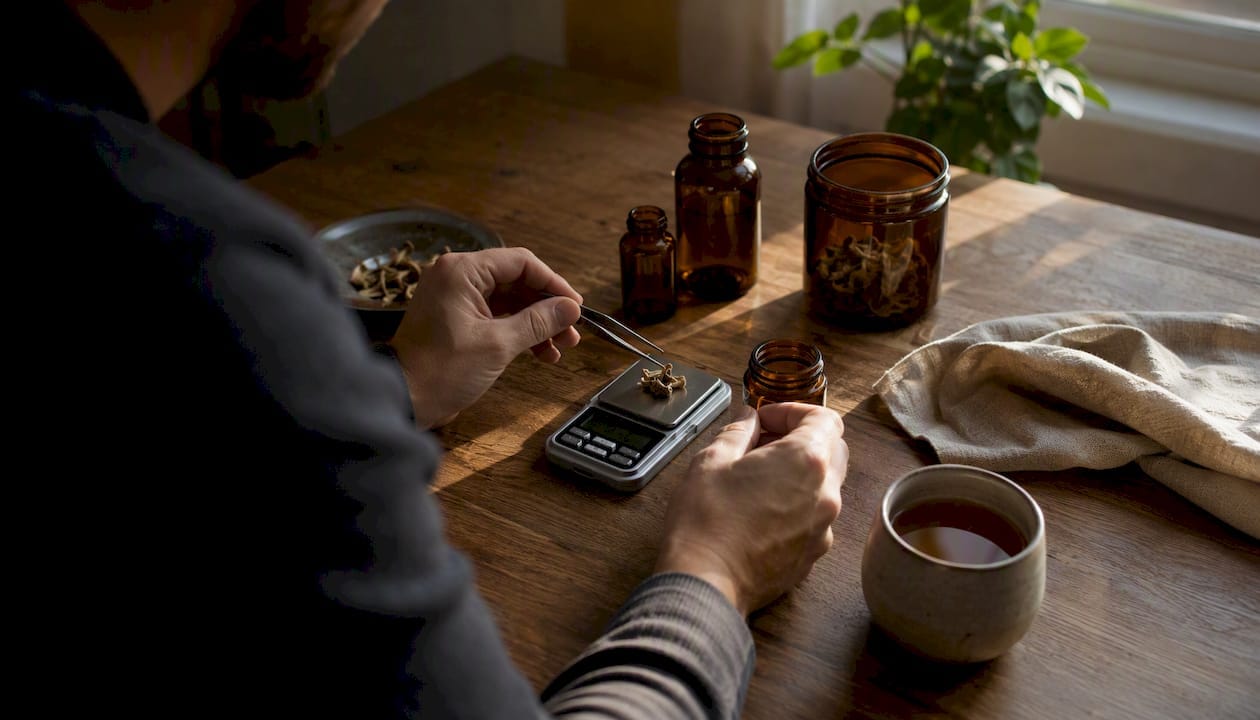
- Use precise measuring equipment. Without specialist scales, it is easy to take several times your intended dose.
- Avoid mixing with alcohol, cannabis, or other drugs, which can amplify or unpredictably alter effects.
- Keep a dosing log and note any batch changes.
- Get medical clearance if you are on any regular medication.
Sporebuddies applies rigorous contamination-prevention protocols across its cultivation supply chain, drawing on deep expertise in substrate preparation, sterile technique, and quality control. For anyone interested in the cultivation side, mycology equipment that supports accurate measurement and contamination prevention is available in the UK store.
Key takeaways
Side effects from microdosing are real, dose-dependent, and highly individual — approximately 20% of people in some surveys report negative effects, and certain health profiles face meaningfully higher risk.
| Point | Details |
|---|---|
| Most common side effects | Headache, nausea, anxiety, irritability, and insomnia are the most frequently reported across surveys and trials. |
| High-risk groups | People with a history of psychosis, bipolar disorder, cardiovascular disease, or those on serotonergic medications face elevated risk. |
| Dose dependence | Effects scale with dose; perceptible effects appear at 10–20 μg LSD, and higher or more frequent doses increase side-effect likelihood. |
| Emergency signs | Serotonin syndrome symptoms (fever, rigidity, confusion, rapid heart rate) require an immediate 999 call. |
| Harm reduction | Verify your source, measure doses accurately, keep a log, and review any medications with your GP before starting. |
FAQ
What are the most common physical side effects of microdosing?
Headache, nausea, dizziness, raised blood pressure, and insomnia are the most consistently reported physical effects across both survey data and controlled trials.
Can microdosing worsen anxiety or mental health?
Yes. Increased anxiety, irritability, and mood worsening are among the most frequently reported psychological side effects, and microdosing can trigger or worsen psychosis in people who are predisposed.
How long do microdosing side effects typically last?
Acute effects generally onset within 30–90 minutes, peak at 2–4 hours, and resolve within 6 hours, though sleep disruption and residual mood changes can carry over to the following day.
Who should avoid microdosing entirely?
Anyone with a personal or family history of psychosis, schizophrenia, or bipolar disorder, those on SSRIs or other serotonergic medications, and people with cardiovascular disease or who are pregnant should avoid microdosing without explicit medical guidance.
What should I do if I have a severe reaction?
Call 999 immediately for symptoms such as high fever, muscle rigidity, seizure, or severe confusion. For urgent but non-life-threatening concerns, call NHS 111 or contact your GP promptly.
This article is for general information only and does not constitute medical advice. Always consult a qualified healthcare professional before making decisions about your health or any substance use.