
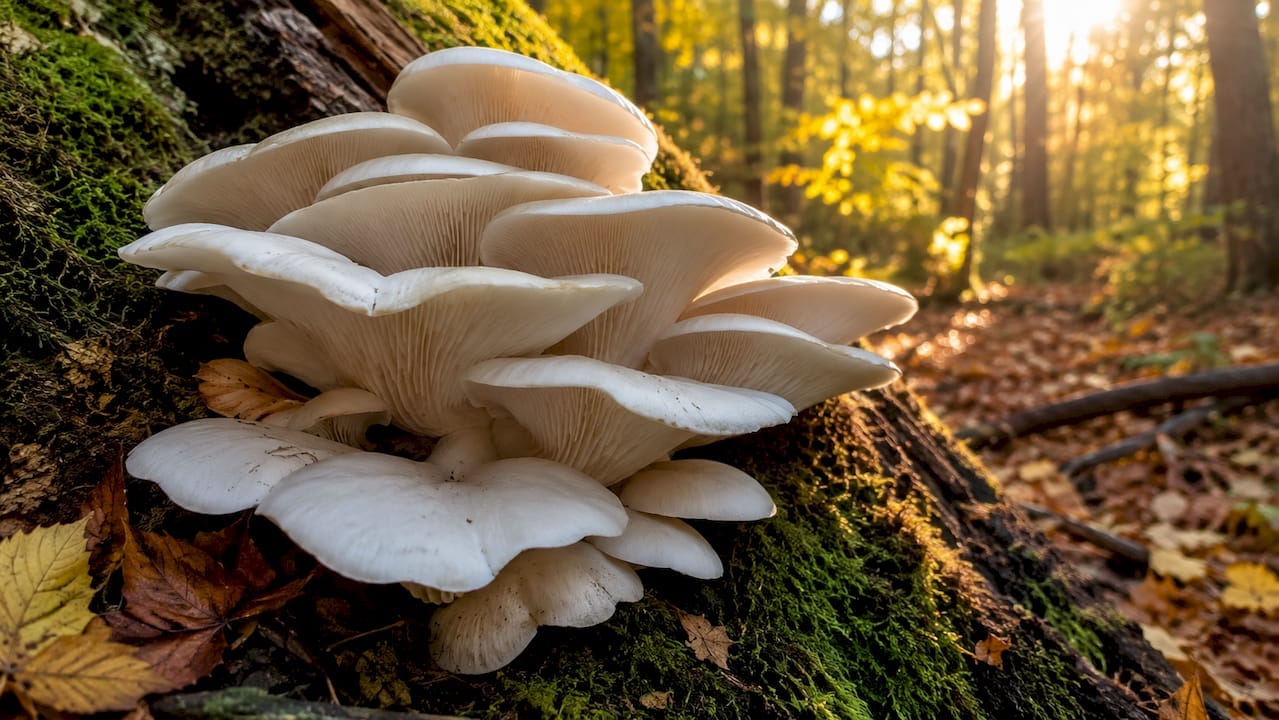
Oyster mushrooms (Pleurotus ostreatus) are edible fungi defined by their fan-shaped, oyster-like caps, mild umami flavour, and exceptional speed of growth. They rank among the most widely cultivated mushrooms in the world, prized equally by home growers and professional chefs. Whether you are exploring them for their nutritional profile, their culinary flexibility, or their suitability for home cultivation, oyster mushrooms offer a genuinely accessible starting point. This guide covers everything from their biology and nutrition to cooking methods and growing tips.
What is an oyster mushroom, exactly?
Oyster mushrooms belong to the genus Pleurotus, with Pleurotus ostreatus being the most recognised species. The name comes directly from their shape: a broad, fan-like cap that resembles an oyster shell. They are saprotrophic fungi, meaning they feed on and decompose dead or dying wood rather than forming partnerships with living trees. This biological trait is precisely why oyster mushrooms suit production at home so well. They thrive on simple, affordable substrates rather than requiring complex soil ecosystems.
Physical characteristics at a glance
Understanding what you are looking at helps with both identification and cultivation planning. Here are the key physical features:
- Cap: Fan-shaped or semicircular, 2–30 cm wide, ranging from white and cream to grey, brown, or even pale blue depending on species and light exposure
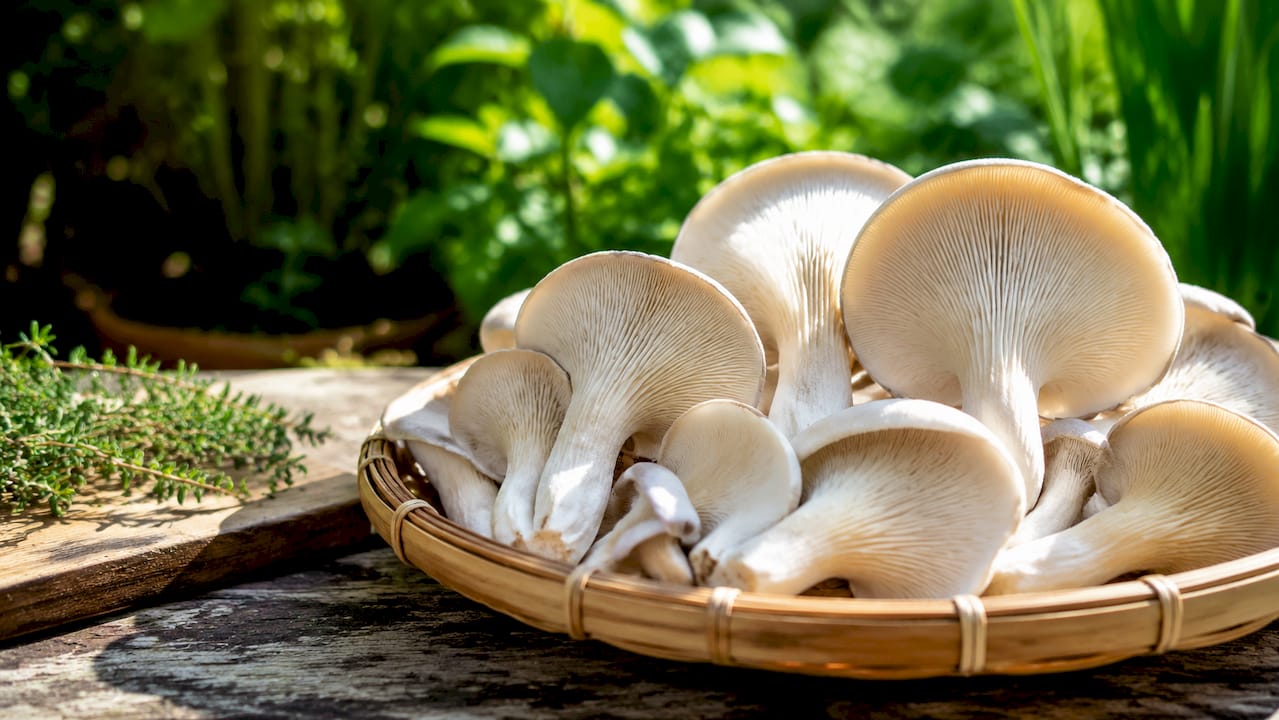
- Gills: White, closely spaced, and running down the short stem toward the base
- Stem: Short, off-centre, and firm; often absent or very small in wild specimens
- Spore print: White to lilac-grey, a useful identification marker
- Flesh: White, firm, and dense with a clean, mild scent
The wide size range reflects both species variation and growing conditions. Younger caps are firmer and more flavourful, while older caps can become tough and watery.
| Feature | Description |
|---|---|
| Cap shape | Fan-shaped, oyster-like |
| Cap width | 2–30 cm |
| Colour range | White, grey, cream, brown, blue-grey |
| Spore print | White to lilac-grey |
| Growth habit | Saprotrophic, grows on wood substrates |
| Season | Autumn and winter in the wild; year-round when cultivated |
What nutritional benefits do oyster mushrooms offer?
Oyster mushrooms are classified as functional foods, meaning they deliver measurable health benefits beyond basic nutrition. They contain protein, B-vitamins including niacin and riboflavin, dietary fibre, and beta-glucans, all at very low calorie and fat levels. That combination makes them genuinely useful in plant-based diets where protein and micronutrient density matter.
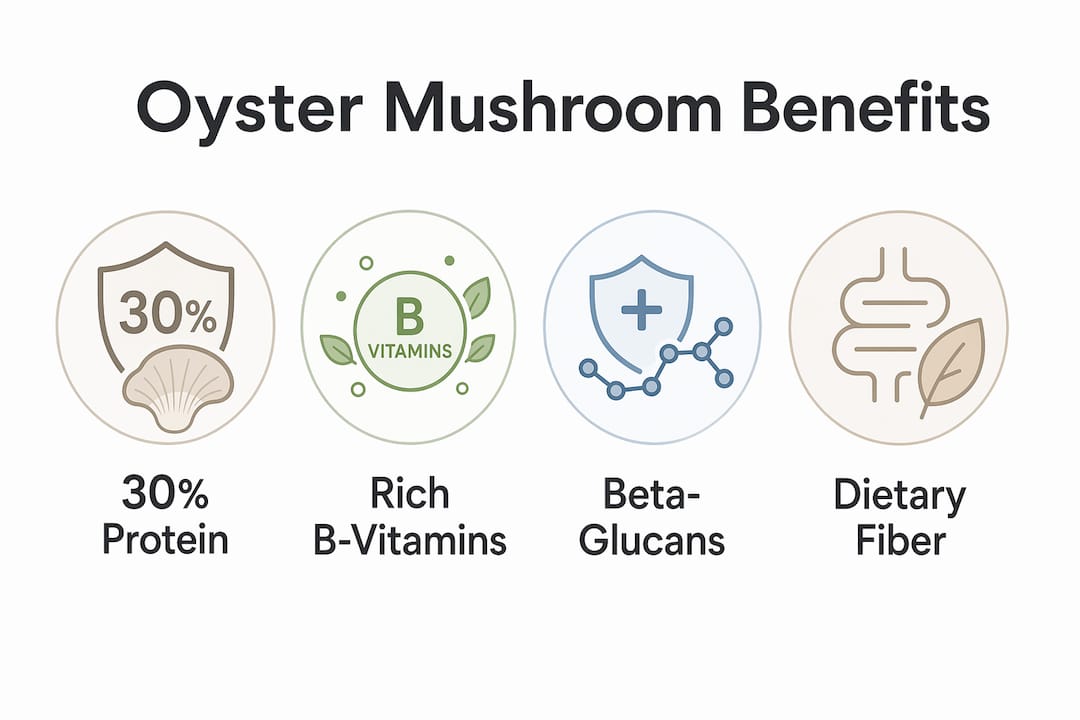
Beta-glucans deserve particular attention. These soluble fibres, found in the cell walls of oyster mushrooms, are linked to immune modulation and cholesterol management without the side effects associated with pharmacological interventions. Researchers now assert that oyster mushrooms should be treated as functional foods with systemic health benefits rather than simply as a dietary supplement. That is a meaningful distinction for anyone building a wellness-focused diet.
Here is a summary of the key nutritional components:
- Protein: A meaningful contribution per serving, supporting muscle maintenance and satiety
- Beta-glucans: Soluble fibres that support immune function and help regulate cholesterol
- B-vitamins: Niacin and riboflavin support energy metabolism and nervous system health
- Antioxidants: Ergothioneine and other compounds help reduce oxidative stress
- Low fat and calories: Makes them suitable for calorie-conscious eating without sacrificing nutrition
“Oyster mushrooms represent a food-as-medicine strategy with evidence-based effects on immune modulation and cholesterol management, achievable without pharmacological side effects.” — MYCOVERSE Foundation
For a broader look at how oyster mushrooms compare to other health-supporting species, the functional mushroom benefits guide at Sporebuddies covers lion’s mane, reishi, cordyceps, and more in useful detail.
How can you cultivate oyster mushrooms at home?
Oyster mushrooms are the most beginner-friendly species for home cultivation. They colonise substrates aggressively and tolerate a wider range of conditions than most edible fungi, making them forgiving for first-time growers. The key is choosing the right substrate and maintaining consistent humidity.
Step-by-step home cultivation process:
- Choose your substrate. Straw, hardwood sawdust, and spent coffee grounds all work well. Coffee grounds are particularly convenient because they are already partially sterilised by the brewing process.
- Sterilise or pasteurise the substrate. Heat treatment kills competing moulds and bacteria. Straw can be pasteurised in hot water at around 70–80°C for one hour.
- Inoculate with spawn. Mix oyster mushroom grain spawn evenly through the cooled substrate. Work cleanly to avoid contamination.
- Seal and incubate. Place the inoculated substrate in a bag or container with small air holes. Keep it at 20–24°C in a dark space during colonisation.
- Introduce fruiting conditions. Once the substrate is fully white with mycelium, move it to a cooler, humid environment (85–95% relative humidity, 15–20°C). Fresh air exchange triggers pinning.
- Harvest. Pins appear within days and mature in 5–7 days post-inoculation. Harvest by twisting the cluster at the base before the cap edges begin to curl upward.
- Allow for multiple flushes. After harvesting, mist the substrate and rest it for several days. Most blocks produce two to four flushes before exhaustion.
The speed of this process is one of the strongest reasons to choose oyster mushrooms as your first grow. You can go from inoculation to your first harvest in under two weeks.
Pro Tip: Mist the substrate surface twice daily during fruiting, but avoid pooling water at the base. Excess moisture causes bacterial contamination far more often than dryness does.
Common beginner mistakes include insufficient air exchange (which causes long, leggy stems and small caps), overwatering, and harvesting too late. Caps that have begun to flatten and curl at the edges are past their prime. Harvest when the caps are still slightly cupped and firm.
For current trends in home growing across the UK, the 2026 home grower’s guide at Sporebuddies provides practical context on substrate choices and kit options.
How to cook oyster mushrooms: flavour, texture, and preparation
Oyster mushrooms have a mild, savoury flavour with a clean, slightly sweet finish. Their texture is tender but meaty, which makes them one of the most effective plant-based meat substitutes available. Culinary experts recommend treating them as flavour carriers: they absorb marinades, sauces, and aromatics readily, then release concentrated flavour during cooking.
The science behind their taste is worth understanding. Oyster mushrooms contain high levels of free glutamic acid and 5’-nucleotides. When cooked at high heat, these compounds interact synergistically and amplify umami flavour seven to eight times compared to their raw state. That is why a dry, hot pan produces far better results than steaming or boiling.
Best cooking methods:
- Pan-frying: Use a dry or lightly oiled cast-iron or stainless steel pan at high heat. Cook without stirring for 2–3 minutes to develop a golden, caramelised surface.
- Roasting: Toss in olive oil, season, and roast at 200°C for 15–20 minutes. The edges crisp up beautifully.
- Stir-frying: Works well in Asian-style dishes. High heat and quick cooking preserve texture while building flavour.
- Shredding for meat substitutes: Larger clusters can be pulled apart into strips, seasoned with smoked paprika and soy sauce, and pan-fried to mimic pulled pork or chicken.
Pro Tip: Always trim the woody base of the cluster before cooking. The central stem where the mushrooms join is tough and fibrous. Removing it takes ten seconds and makes a noticeable difference to the finished dish.
Avoid crowding the pan. Oyster mushrooms release moisture quickly, and if they are packed too tightly, they steam rather than fry. Cook in batches if needed. Season only after the initial sear, as salt draws out moisture and prevents browning.
Key takeaways
Oyster mushrooms (Pleurotus ostreatus) are the most accessible edible fungus for both cooking and home cultivation, combining strong nutritional value with fast growth and genuine culinary versatility.
| Point | Details |
|---|---|
| Biological identity | Oyster mushrooms are saprotrophic fungi with fan-shaped caps ranging from 2–30 cm wide. |
| Nutritional value | They contain beta-glucans, B-vitamins, and protein at low calorie levels, qualifying as functional foods. |
| Home cultivation speed | Visible growth appears within days, with full harvest cycles completing in as little as 5–7 days post-inoculation. |
| Culinary performance | High-heat cooking amplifies umami flavour seven to eight times through synergistic glutamic acid compounds. |
| Beginner suitability | They colonise straw, sawdust, and coffee grounds readily, making them the ideal first species for new growers. |
Start growing oyster mushrooms with Sporebuddies
If this guide has you ready to grow your own, Sporebuddies makes it straightforward to get started. The range of mushroom grow kits includes ready-to-use and inject-and-forget options designed specifically for beginners, with oyster mushroom varieties well represented. For those who want more control over the process, the mushroom growing equipment section covers substrates, sterilised bags, and everything else you need to build your own setup from scratch. Sporebuddies ships across the UK and backs its products with clear cultivation guidance, so you are not left guessing at any stage.
FAQ
What does an oyster mushroom taste like?
Oyster mushrooms have a mild, savoury flavour with umami notes that intensify significantly when cooked at high heat. Their texture is tender and slightly meaty, making them popular as a plant-based meat substitute.
How long do oyster mushrooms take to grow at home?
Oyster mushrooms typically produce visible pins within a few days of fruiting conditions being introduced, with full maturity reached in 5–7 days post-inoculation. Most substrate blocks yield two to four harvest flushes.
Are oyster mushrooms good for you?
Oyster mushrooms are classified as functional foods. They contain beta-glucans, B-vitamins including niacin and riboflavin, protein, and antioxidants, with evidence supporting cholesterol management and immune modulation.
What substrates can i use to grow oyster mushrooms?
Straw, hardwood sawdust, and spent coffee grounds are all suitable substrates for oyster mushroom cultivation. Coffee grounds are particularly convenient for home growers as they require minimal preparation.
How do i know when oyster mushrooms are ready to harvest?
Harvest oyster mushrooms when the caps are still slightly cupped and firm, before the edges begin to flatten or curl upward. Waiting too long results in a tougher texture and reduced flavour.