
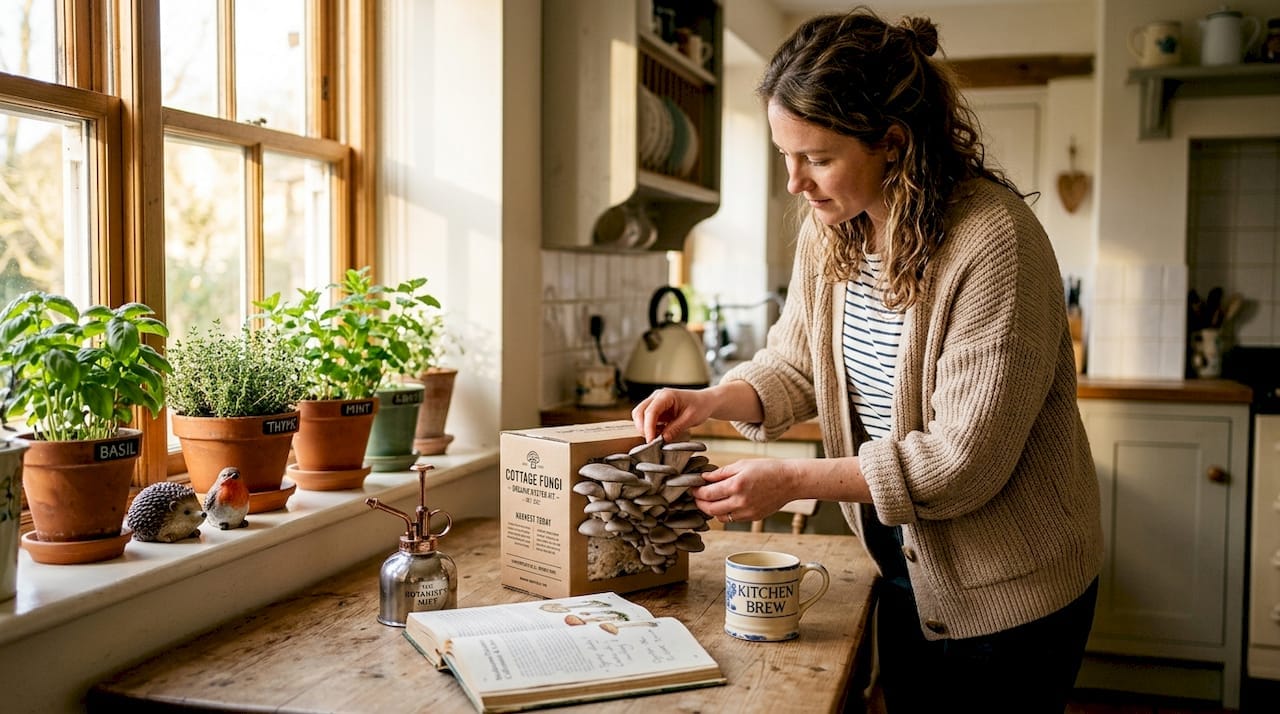
Mushroom growing in the UK is moving faster than most hobbyists realise. If you want to know what are mushroom cultivation trends 2026, the answer touches everything from the substrates you choose to the species you grow and the technology you use to control your environment. This is not a slow evolution. Functional varieties are surging in demand, sustainability has become non-negotiable, and home growers who understand the direction things are heading will have a genuine advantage over those still relying on methods from five years ago. Here is what you need to know.
Table of Contents
- What are the mushroom cultivation trends in 2026?
- Emerging medicinal and functional mushroom trends
- Sustainability and resource efficiency shaping cultivation
- Innovative cultivation methods and formats for 2026 home growers
- Legal and ecological considerations for UK home growers
- Why 2026 is shaping a new era for UK home mushroom cultivation
- Enhance your 2026 mushroom growing with Spore Buddies
- Frequently asked questions
Key Takeaways
| Point | Details |
|---|---|
| Growing market demand | The UK mushroom market is expanding driven by health and sustainability awareness among consumers. |
| Functional mushroom surge | Medicinal varieties like lion’s mane are increasingly popular but require innovation to meet supply challenges. |
| Sustainability focus | Water efficiency and substrate recycling are key trends enhancing the eco-friendliness of mushroom growing. |
| Innovative cultivation | Home growers benefit from controlled-environment tech and careful growth scheduling to improve yields. |
| Legal and ecological care | Using native mushroom species in the UK protects biodiversity and keeps home growing legal and safe. |
What are the mushroom cultivation trends in 2026?
The market context makes these trends easy to understand. The UK mushroom market is projected to grow at a 5.35% CAGR through 2026 to 2034, driven by health-conscious eating habits and sustainability concerns. That kind of sustained growth is not just good news for commercial producers. It signals genuine, long-term consumer interest that home growers can tap into directly.
Several forces are shaping mushroom industry trends 2026 in ways that matter for you:
- Plant-based diets continue to grow, with mushrooms serving as a textural and flavour substitute for meat in mainstream cooking.
- Health awareness is lifting demand for species with documented nutritional benefits, and readers already curious about mushroom health benefits will recognise this shift.
- Eco-conscious consumption is pushing growers and buyers alike towards peat-free substrates and low-waste production.
- Convenience formats such as pre-packaged, ready-to-cook mushrooms are expanding the retail market beyond traditional fresh produce aisles.
The practical takeaway is simple. Growing mushrooms at home is no longer a curiosity. It fits neatly into where food culture in the UK is heading.
Emerging medicinal and functional mushroom trends
Functional mushrooms, species like lion’s mane, cordyceps, reishi, and turkey tail, are no longer found only in specialist health shops. They are appearing in mainstream supermarkets, coffee shops, and supplement aisles. The functional mushroom category is expanding but faces supply and economic challenges, prompting significant innovation and consolidation across the industry in 2026.
What does that mean for you as a home grower? A few things worth noting:
- Lion’s mane is particularly well suited to home cultivation and commands strong interest for its potential cognitive support properties.
- Turkey tail grows readily on hardwood logs and suits UK outdoor or semi-sheltered setups.
- Cordyceps (specifically Cordyceps militaris) can be cultivated indoors on grain-based substrates with the right humidity.
- Shiitake remains a reliable, high-value crop that bridges culinary and functional appeal.
Growing even one or two functional varieties alongside your usual oyster mushrooms positions you ahead of the curve and gives you real diversity in both flavour and purpose.
The consolidation happening at the commercial level actually creates opportunity for home growers. As larger producers focus on scale and standardisation, smaller cultivators who prioritise freshness, provenance, and variety can offer something genuinely different. Explore functional mushroom varieties if you are considering adding these species to your grow schedule.
Sustainability and resource efficiency shaping cultivation
Sustainability has shifted from being a talking point to being a practical concern that affects costs, reputation, and long-term viability. The numbers here are striking. Mushrooms require substantially less water than many crops, roughly one gallon per pound compared with eight gallons for tomatoes. For home growers in the UK who pay water rates and care about their environmental footprint, this matters.
Here is a quick comparison to put substrate and resource choices in context:
| Growing factor | Mushrooms | Tomatoes |
|---|---|---|
| Water per pound of yield | ~1 gallon | ~8 gallons |
| Substrate reusability | High (composted after fruiting) | Low |
| Carbon footprint | Low | Moderate to high |
| Land requirement | Minimal | Moderate |
Closed-loop growing is one of the defining features of 2026 farming practices. Spent substrate, the material left over after your fruiting blocks are exhausted, can be composted and returned to garden soil. This reduces waste, improves soil health, and closes the production loop in a way that aligns with the ecological values most UK growers already hold. Browse mushroom substrate options to find peat-free and recycled materials that support this approach.
Pro Tip: Before discarding spent substrate, break it into your compost heap rather than the general bin. It is already partially broken down and rich in mycelium, which continues to benefit soil structure for months after fruiting ends. Check out these substrate recipes to get the most from each fruiting block before composting it.
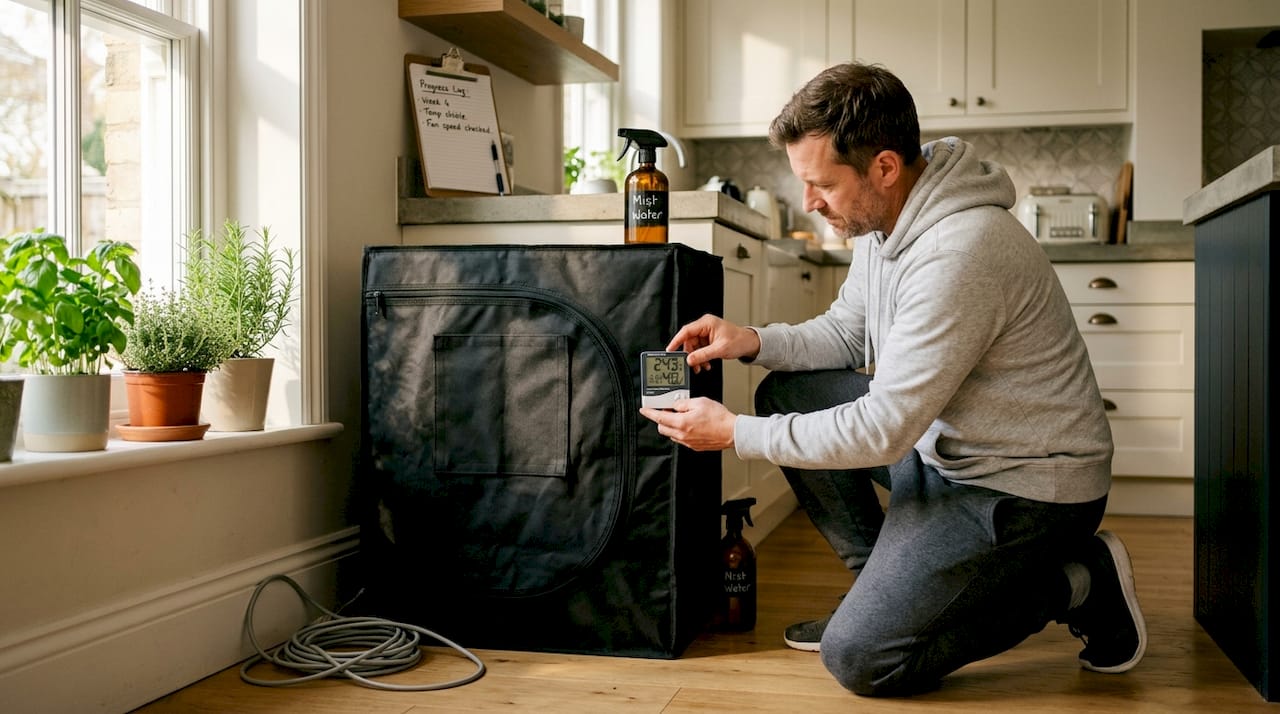
Controlled-environment growing, even at a modest home scale using a small tent, a fan, and a digital hygrometer, dramatically reduces water and energy waste compared with unregulated setups. Consistent humidity management means fewer failed flushes and less material discarded due to contamination.
Innovative cultivation methods and formats for 2026 home growers
The gap between home growing and small-scale commercial production is narrowing, and that is a genuinely useful trend. Commercial UK growers are expanding capacity and diversifying product formats. Home growers who pay attention to these shifts can apply the same logic at their own scale.
Here is a practical framework for improving your 2026 setup:
- Schedule around growth rates. Oyster mushrooms can double in size every 12 to 24 hours. If you are not checking your grow daily during the fruiting stage, you will miss the harvest window. Build a daily check into your routine.
- Diversify your output formats. Fresh mushrooms are great, but drying, powdering, or making tinctures extends shelf life and reduces spoilage. This mirrors what commercial producers are doing in 2026 to reach more markets.
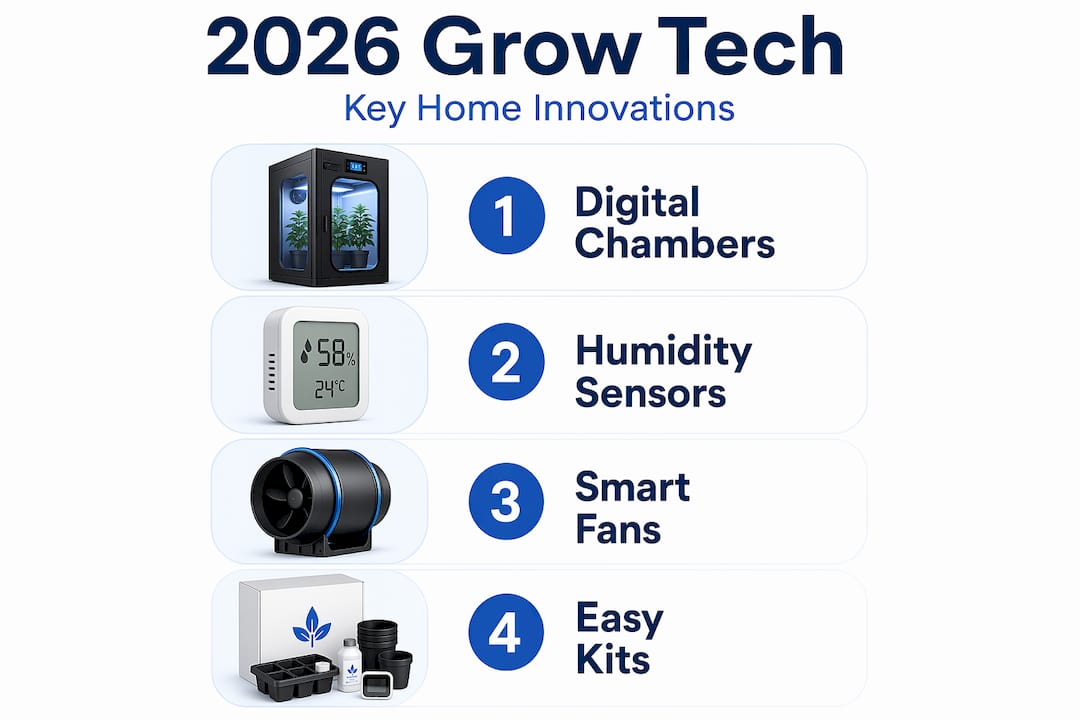
- Control your environment properly. Temperature, humidity, and airflow are the three variables that determine consistency. Investing in a digital incubation chamber removes guesswork from the incubation phase, which is where many beginners lose batches.
- Think in flushes, not single harvests. Most species will give you two to four productive flushes from a single substrate block. Planning for this extends the value of each block and your growing schedule.
- Plan your storage before your first flush. Mushrooms deteriorate quickly. Having a dehydrator, airtight jars, or vacuum bags ready before your harvest means less waste and better quality.
Pro Tip: If you are using a grow tent for your fruiting chamber, add a small clip fan on a timer to simulate the fresh air exchange that mushrooms need. Many growers underestimate airflow and then blame substrate quality when yields disappoint.
Start with ready-to-use mushroom growing kits if you want to trial new species before committing to building your own substrate workflow from scratch.
Legal and ecological considerations for UK home growers
This is the section most guides skip over too quickly. Responsible cultivation in 2026 means more than producing a good harvest. It means understanding what you are legally permitted to grow, how to dispose of spent material without ecological harm, and why these rules exist in the first place.
Key points every UK home grower should know:
- Grow native species outdoors. Introducing non-native mushroom strains into UK soil or woodland can disrupt local fungal ecosystems in ways that are difficult to reverse. Native UK species use protects biodiversity and avoids ecological risks.
- Avoid releasing invasive strains. Even species cultivated indoors can spread if spent substrate is dumped in natural settings. Always compost or bag spent material properly.
- Compost responsibly. Used substrate is best composted in a contained bin before being applied to your garden. Do not spread it directly onto soil near wild mushroom habitats.
- Know the law on spores. Certain mushroom spores are legal to possess in the UK for research or educational purposes, but that status changes the moment they germinate. Understand the distinction before you purchase or store any species outside the edible and gourmet range.
- Follow local council guidance. Some allotments and community growing spaces have specific rules on what can be cultivated. Check before establishing an outdoor bed or log pile.
Reading up on legal mushroom cultivation in the UK is time well spent before you expand your setup outdoors or experiment with new species.
Why 2026 is shaping a new era for UK home mushroom cultivation
Here is an honest perspective that most growing guides will not give you. The conversation in 2026 is not really about which species to grow. It is about how you think about growing as a practice.
Market demand is shifting from species focus to format and scale, and growers who think commercially, even at home scale, are the ones who will benefit most from that shift. That does not mean you need to start selling at a farmers’ market next month. It means asking yourself questions like: Can I dry and store what I produce? Am I growing varieties that people actually want? Could I improve my setup to run two or three species simultaneously without sacrificing quality?
Sustainability is no longer an ethical bonus. It is becoming a practical advantage. Growers who use recycled substrates, minimise waste, and work with efficient controlled environments are spending less and producing more consistently than those using resource-heavy, one-use setups. The ethics and the economics now point in the same direction.
Functional mushrooms represent the most interesting opportunity for UK home growers right now. The interest is genuine, the cultivation methods are accessible, and the gap between what shops charge and what it costs to grow your own is significant. Learning to cultivate lion’s mane or turkey tail well is a skill that will hold value for years.
Finally, navigating the legal and ecological landscape is not a burden. It is preparation. Home growers who understand the rules and the reasons behind them are better positioned to scale their practice, engage with their community, and contribute positively to the growing UK mycology movement. The master mycology cultivation process is a strong starting point for growers who want to develop that foundation properly.
Enhance your 2026 mushroom growing with Spore Buddies
To put the insights from this article into practice, you need the right tools and materials from the start. Spore Buddies supplies a full range of mushroom growing kits designed for UK conditions, so whether you are starting with oyster mushrooms or diving into lion’s mane, there is a kit to match your setup. You can also choose from quality high-quality mushroom substrate that supports sustainable, low-waste cultivation. For growers serious about consistency, the mycology growing equipment range includes everything from incubation chambers to agar plates. And when you need clear, practical guidance, the grow guide for home growers walks you through the full process with confidence.
Frequently asked questions
What are the top mushroom varieties popular among UK home growers in 2026?
In 2026, oyster mushrooms, lion’s mane, shiitake, and turkey tail are the top choices for UK home growers due to their adaptability and culinary or health qualities. The RHS recommends oysters, dryad’s saddle, and lion’s mane as especially well suited to UK home cultivation.
How important is sustainability in mushroom cultivation trends for 2026?
Sustainability is a key driver in 2026, with growers prioritising water efficiency and substrate recycling to reduce both environmental impact and running costs. Mushrooms use significantly less water than most food crops, making them one of the most resource-efficient choices available to UK home growers.
Are there new technologies home growers should consider in 2026?
Yes, controlled-environment systems such as digital incubation chambers and improved humidity and airflow controls are improving yields and reducing contamination risks for home growers. Controlled environments improve consistency and are increasingly accessible at home-growing budgets in 2026.
What legal considerations affect mushroom cultivation for UK home growers?
UK growers should use native mushroom species to avoid ecological harm and stay compliant with relevant laws, particularly regarding certain spores and outdoor cultivation. Non-native strains can harm UK ecosystems, so responsible disposal of spent substrate is just as important as what you choose to grow.