
🧬 Mushroom Science & Mycology Education
Explore fungal biology, mycelium development, substrate science, mushroom growth systems, and educational mycology concepts through this structured SporeBuddies science hub. This category is designed to help readers understand how mushrooms grow, interact with their environment, and develop through different biological stages.
Mycology combines observation, biology, experimentation, environmental understanding, and scientific curiosity. Whether you are exploring mycelium growth patterns or learning how substrate recipes influence fungal development, this hub creates a beginner-friendly pathway into mushroom science education.
Start Here: Understanding Mushroom Science
Mycology science becomes much easier to understand when broken into connected learning stages. Most beginners first encounter visible mushrooms, but the real biological system exists beneath the surface through mycelium networks, environmental interaction, moisture balance, substrate composition, and fungal growth behaviour.
This educational hub helps readers connect those ideas together in a more structured way while avoiding oversimplified “magic mushroom” narratives that ignore the fascinating biology behind fungi.
Jump to Mycelium Growth →
Jump to Substrate Science →
Jump to Fungal Biology →
Featured Mushroom Science Guides
These foundational articles form the core of the SporeBuddies mushroom science and mycology education pathway, covering mycelium growth behaviour and the role substrate systems play in fungal development.
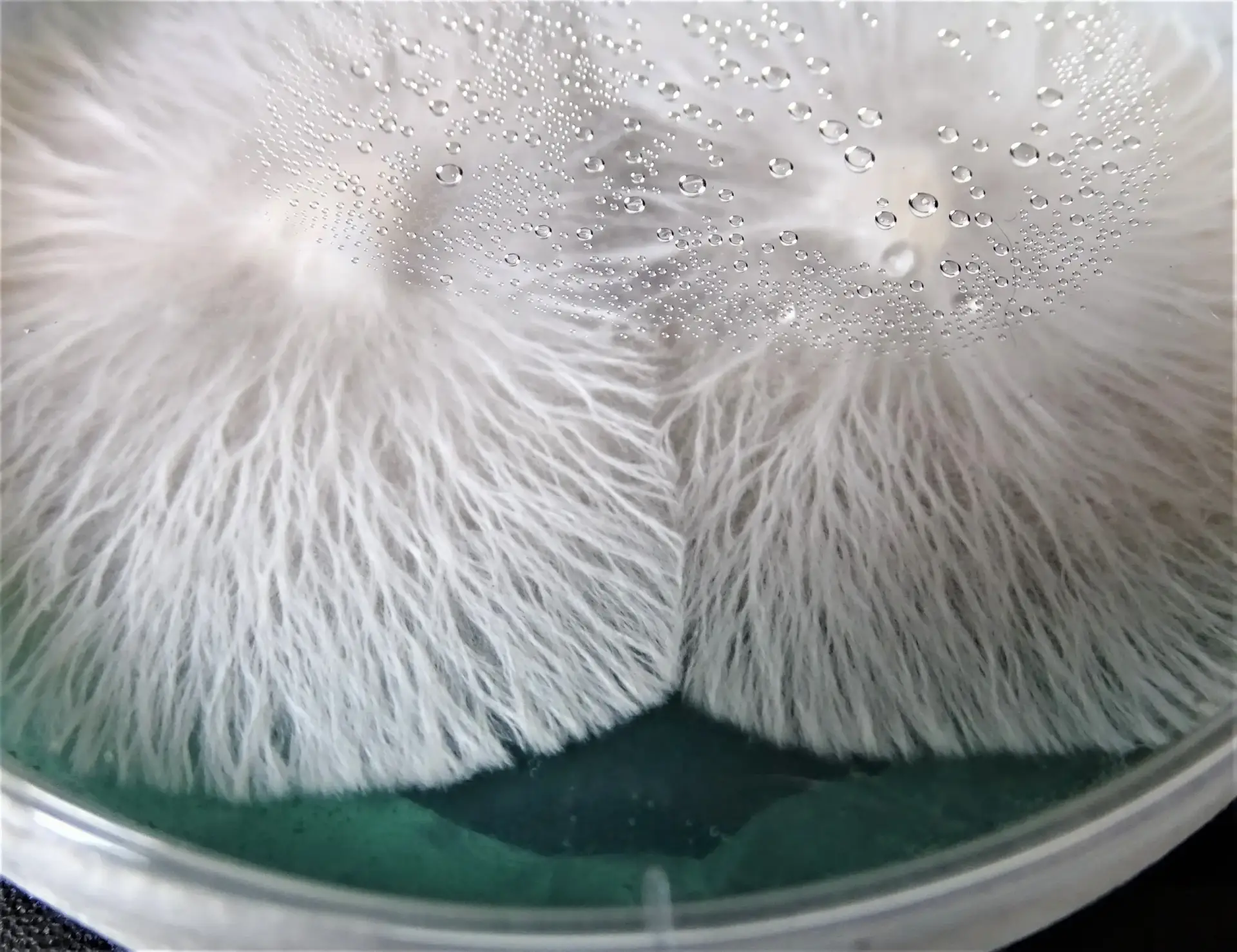
Understanding Mycelium Growth Patterns
Explore how mycelium spreads, branches, colonises surfaces, and responds to environmental conditions in fungal biology systems.
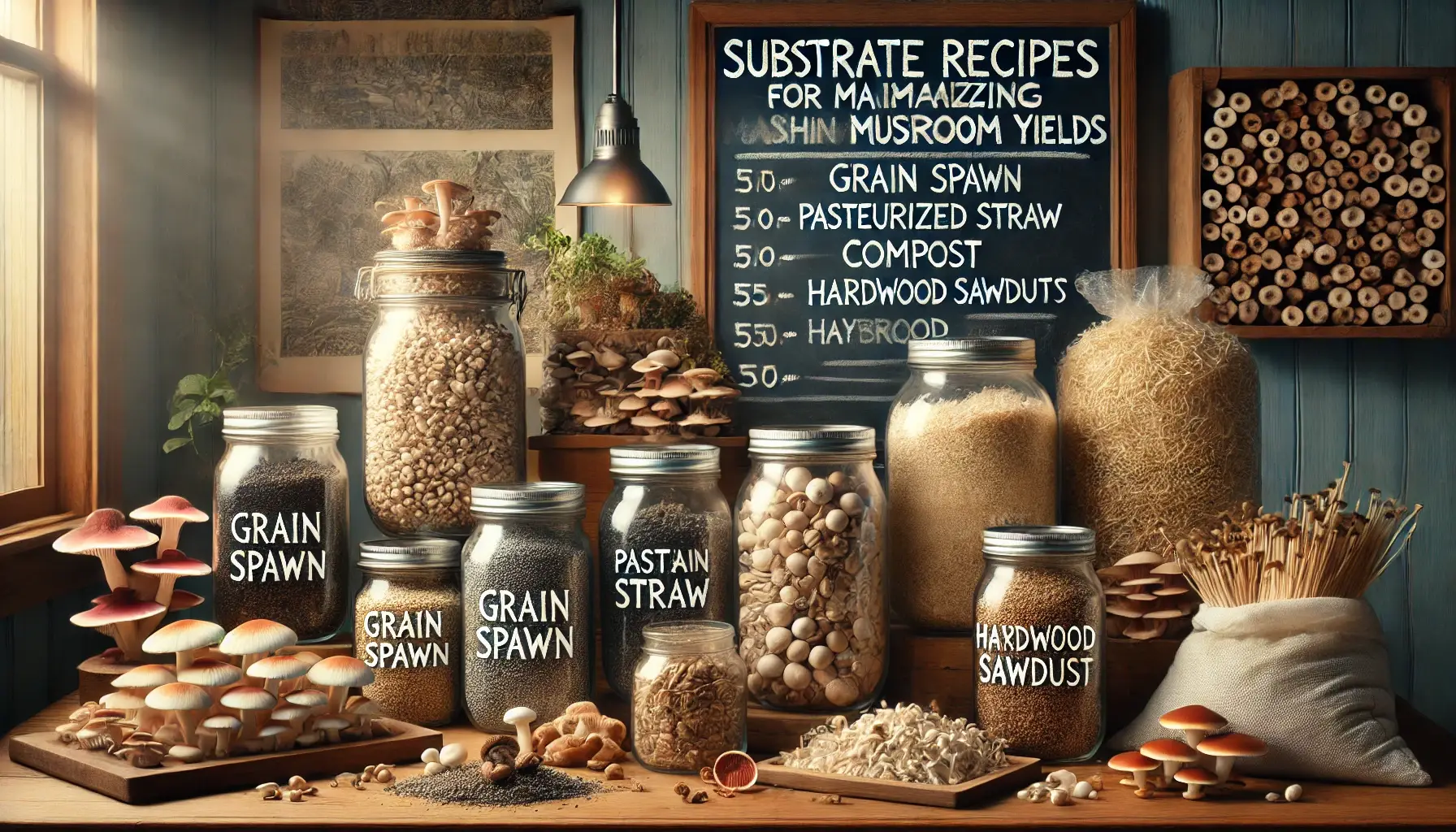
Substrate Recipes and Mushroom Growth
Learn how substrate composition, hydration, airflow, and nutrition influence fungal colonisation and mushroom development.
Understanding Mycelium Growth Patterns
Mycelium is the vegetative network of a fungus and forms the hidden biological foundation beneath visible mushroom growth. Instead of existing as a single structure, mycelium spreads through branching thread-like filaments called hyphae, which explore environments for nutrients, moisture, and suitable growth conditions.
To beginners, healthy mycelium can sometimes look almost web-like or cloud-like depending on species, conditions, surface type, and growth stage. Observation over time is important because fungal growth patterns evolve continuously.
Why mycelium matters in mycology
Understanding mycelium helps readers see fungi as living biological systems rather than simply “mushrooms.” The visible mushroom is only one stage of fungal development. Mycelium networks perform nutrient acquisition, environmental interaction, communication signalling, and colonisation processes long before mushrooms appear.
Substrate Science and Mushroom Development
Substrate acts as the growth medium that fungi colonise in order to access nutrients, water, and structural support. Different mushroom species interact with substrates differently, which is why substrate recipes are a major area of study within mycology and cultivation education.
Substrate science involves much more than simply “feeding mushrooms.” Moisture content, texture, aeration, nutritional balance, pH, microbial competition, and water retention all influence how fungal networks develop over time.
Common Substrate Factors
- Hydration levels
- Nutritional composition
- Air exchange balance
- Texture and density
- Contamination resistance
- Environmental stability
Why Recipes Matter
- Different species prefer different conditions
- Hydration affects colonisation speed
- Structure influences airflow
- Nutrients influence development
- Consistency improves observation
- Preparation impacts contamination risk
Fungal Biology, Observation, and Environmental Interaction
One of the most fascinating parts of mycology is that fungi constantly interact with their surroundings. Temperature, airflow, humidity, nutrient availability, competing organisms, light exposure, and surface conditions can all influence fungal behaviour.
This makes mycology a field built around observation and pattern recognition. Readers who spend time studying fungal systems often become more aware of biological variability and environmental complexity rather than expecting perfectly identical outcomes.
Educational mycology therefore rewards patience, note-taking, comparison, and curiosity. Even small environmental changes can alter fungal development patterns in visible ways.
Mycology Education and Scientific Thinking
Good mycology education encourages careful observation rather than exaggerated certainty. Fungal systems are dynamic biological processes influenced by multiple interacting variables. That complexity is part of what makes mushroom science both challenging and fascinating.
Responsible mushroom education should separate scientific evidence, observational learning, and internet mythology. Readers benefit most when information is structured clearly and grounded in biological reasoning rather than hype.
Related SporeBuddies Knowledge Hubs
Mycology science naturally connects with microscopy, substrate preparation, mushroom growing systems, spore observation, and fungal identification. Continue exploring the wider SporeBuddies educational ecosystem below.
Mushroom Science & Mycology FAQs
What is mycelium?
Mycelium is the vegetative fungal network made from branching filaments called hyphae. It forms the hidden biological foundation beneath visible mushroom growth.
Why are substrate recipes important in mushroom growth?
Substrate recipes influence hydration, nutrition, airflow, structure, and environmental stability, all of which affect fungal colonisation and development.
Does mycelium always look the same?
No. Mycelium appearance can vary depending on species, substrate, environmental conditions, age, hydration, and contamination presence.
What does mycology study?
Mycology is the scientific study of fungi, including mushrooms, moulds, yeast, fungal biology, ecology, growth systems, and species diversity.
Does SporeBuddies provide scientific or medical guarantees?
No. SporeBuddies publishes educational mycology content only and does not provide medical, legal, or scientific guarantees.
Continue Exploring Mushroom Science
SporeBuddies combines fungal biology, microscopy, substrate science, mycelium education, and mushroom growing knowledge into one evolving educational mycology ecosystem.
Explore the Full Knowledge Base