0800 069 9269

Soya bean hulls — also known as soybean hulls or soy hulls — are a widely used substrate ingredient in modern mushroom cultivation. Popular with both gourmet and medicinal mushroom growers, soybean hulls are valued for their digestible carbohydrates, structural benefits, and ability to significantly boost yields when used correctly.

This guide explains what soya bean hulls are, why mushroom growers use them, how to prepare them safely, and which mushroom species benefit most. Whether you’re growing oysters at home or producing medicinal mushrooms at scale, this article will give you a clear, practical understanding of soybean hulls in mycology.


What Are Soya Bean Hulls?

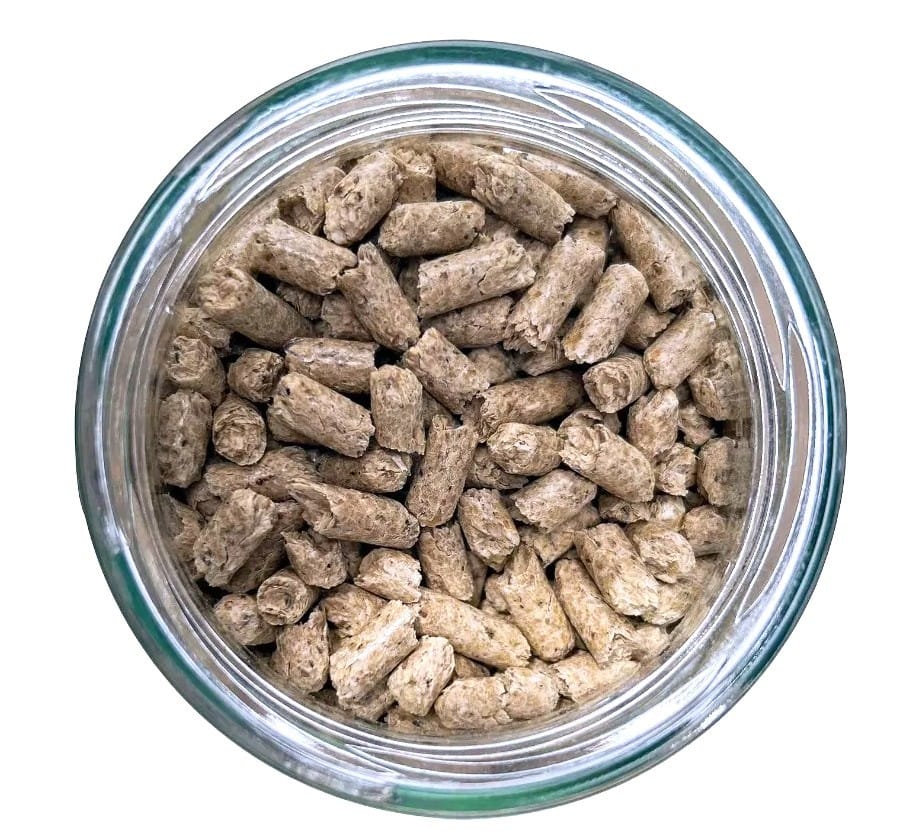
Soya bean hulls are the outer shell removed from soybeans during food and oil processing. Once separated, these hulls are dried and either left loose or compressed into pellets.

From a mycology perspective, soybean hulls are prized because they contain:

  • High levels of cellulose and hemicellulose

  • Easily digestible carbohydrates

  • Very low fat content

  • Minimal nitrogen compared to grain-based supplements

This composition makes soybean hulls an excellent substrate supplement rather than a primary food source — ideal for pairing with hardwood sawdust or straw.


Why Soya Bean Hulls Are Used in Mushroom Substrate

Soya bean hulls are not used on their own. Instead, they are added to base substrates to improve performance.

Key benefits include:

Improved Nutrient Availability

Soybean hulls provide fast-access carbohydrates that many fungi can quickly metabolise during colonisation and fruiting.

Increased Yields

When used correctly, soy hulls are known to:

  • Increase fruit body size

  • Improve flush consistency

  • Shorten time to harvest

This is why they are so common in commercial gourmet and medicinal mushroom farms.

Better Substrate Structure

Hull material helps maintain airflow and moisture balance within dense substrates, especially when combined with hardwood pellets.


Soya Bean Hulls vs Other Substrate Supplements

Growers often compare soybean hulls with other supplements. Here’s how they stack up:

Soybean Hulls vs Wheat Bran

  • Soy hulls are lower in nitrogen

  • Lower contamination risk

  • More forgiving for beginners

Soybean Hulls vs Straw

  • Higher nutrient density

  • Used as a supplement, not a base

  • Requires sterilisation rather than pasteurisation

Soybean Hulls vs CVG Additives

  • CVG is primarily for moisture and structure

  • Soy hulls actively feed the mycelium

Because of this balance, soybean hulls are most often used in supplemented sawdust substrates rather than bulk monotub mixes.

Growers who want a deeper understanding of hydration, field capacity, and bulk preparation should also read our bulk substrate recipe for mushrooms guide.


CVG + Soy Hull Supplemented Substrate (Recipe & Method)

Traditional CVG (Coco Coir, Vermiculite, Gypsum) substrates are designed primarily to provide moisture retention and physical structure. They contain very little nutrition and rely on colonised grain spawn to fuel mushroom growth.

By contrast, soybean hulls actively feed the mycelium, supplying readily digestible carbohydrates. When used in small, controlled amounts, soy hulls can enhance performance without turning a CVG mix into a high-risk substrate.

Because of this balance, soybean hulls are best used as a light supplement, not a replacement — and in modest ratios suitable for bulk grows.


 Recipe: CVG with Soybean Hull Pellets (Lightly Supplemented)

This recipe keeps nutrient levels conservative while adding a measurable energy boost.

Ingredients:

  • 1 × 650 g coco coir brick (expands to approx. 9–10 L)

  • 150 ml vermiculite

  • 150 ml soybean hull pellets

  • 2.8 L boiling water


 Step-by-Step Preparation

Step 1: Prepare Your Container

Use a clean, heat-resistant bucket with a tight-fitting lid. This helps retain heat during hydration and improves consistency.


Step 2: Add Dry Ingredients

Place the following into the bucket:

  • Coco coir brick

  • Vermiculite

  • Soybean hull pellets

Keep the soy hull pellets evenly distributed rather than layered.


Step 3: Add Boiling Water

Slowly pour 2.8 litres of boiling water over the dry ingredients.

  • Ensure all materials are wetted

  • Avoid stirring at this stage

Immediately seal the lid.


Step 4: Heat Soak

Leave the bucket sealed for at least 60–90 minutes, or until fully cooled.

During this time:

  • The coco coir will expand

  • Soy hull pellets will soften and hydrate

  • Vermiculite will absorb excess moisture


Step 5: Mix Thoroughly

Once cooled to room temperature:

  • Break up the coir completely

  • Mix until soy hulls are evenly distributed

  • Check moisture level

The substrate should be at field capacity — damp but not dripping. A light squeeze should produce only a few drops of water.


Step 6: Use Immediately or Store Short-Term

This substrate should be used soon after preparation.

Because soy hulls add nutrition:

  • Do not store long-term

  • Keep sealed and clean

  • Use only with healthy, fully colonised spawn


 Important Notes on Safety & Use

  • This recipe is lightly supplemented, not a full nutrient substrate

  • Suitable for bulk applications when cleanliness is high

  • Not recommended for beginners without basic contamination control

  • For higher soy hull ratios, sterilisation (not pasteurisation) is required

If heavier supplementation is desired, a hardwood + soy hull sterilised substrate is the safer and more effective route.

Because soy hulls add nutrition, understanding the causes of contamination in mycology is essential before experimenting with supplemented substrates.


 Why This Works

  • CVG provides moisture stability and structure

  • Soybean hulls supply fast-access energy

  • Low supplement ratio keeps contamination risk manageable

This makes the mix ideal for growers who want a performance upgrade without moving into fully sterilised sawdust systems.

CVG vs CVG + Soy Hulls vs Master’s Mix

A quick side-by-side to help you choose the right substrate approach for your grow.

FeatureCVG (Coir + Vermiculite)CVG + Soy Hulls (Lightly Supplemented)Master’s Mix (Hardwood + Soy Hulls)
Primary purposeMoisture retention & structureMoisture + light nutritionHigh-performance fruiting substrate
Nutritional contentVery lowLow–moderateHigh
Soy hull contentNoneSmall amountHigh (often ~50% of mix)
Base materialCoco coirCoco coirHardwood sawdust or pellets
Preparation methodHot water hydrationHot water hydrationPressure sterilisation required
Contamination riskVery lowLow–moderateHigher if not sterilised
Suitable for monotubsYesYes (with care)Not recommended
Suitable for grow bagsYesYesYes
Best for beginnersYesIntermediateAdvanced growers
Common mushroom typesGeneral bulk growsBulk grows + some gourmetsOysters, Lion’s Mane, Reishi, Turkey Tail
Yield potentialModerateImprovedHigh

Quick rule: CVG is structural, CVG + soy adds a light nutrient boost, and Master’s Mix is a high-performance sterilised substrate.

Master’s Mix Explained (Soy Hulls + Hardwood)

One of the most well-known uses of soybean hulls is in Master’s Mix — a supplemented substrate combining hardwood sawdust with soy hulls.

Master’s Mix is especially popular for:

  • Oyster mushrooms

  • Lion’s Mane

  • Reishi

  • Turkey Tail

The appeal lies in its simplicity and performance:

  • Hardwood provides long-term structural nutrition

  • Soy hulls provide rapid-access energy

⚠️ Important: Because soy hulls are a nutrient-rich supplement, full sterilisation is required. Pasteurisation alone is not sufficient for this method.

High-nutrition substrates such as Master’s Mix should only be combined with fully colonised sterilised grain spawn.


Which Mushrooms Benefit from Soybean Hulls?

Oyster Mushrooms

Oysters respond extremely well to soy-supplemented substrates, producing:

  • Larger clusters

  • Faster colonisation

  • Multiple heavy flushes

Lion’s Mane

Soy hulls support dense, well-formed fruit bodies and consistent yields when paired with hardwood.

Reishi

Medicinal species like Reishi benefit from the slow-fast nutrient combination provided by hardwood and soybean hulls.

Turkey Tail

High cellulose content makes soy hull mixes suitable for wood-loving medicinal fungi.

Because of this versatility, soybean hulls are commonly used across both gourmet and medicinal mushroom cultivation.


How to Prepare Soya Bean Hulls Safely

Improper preparation is the most common cause of failure when using soy hulls.

Pellets vs Loose Hulls

  • Pellets are cleaner, more consistent, and easier to hydrate

  • Loose hulls can vary in quality and moisture content

For most growers, soy hull pellets are the safer option.

Hydration

Pellets should be fully expanded and evenly hydrated before mixing with sawdust. Uneven hydration can stall colonisation.

Sterilisation (Critical)

Because soybean hulls are nutrient-dense:

  • Pressure sterilisation is strongly recommended

  • Filtered grow bags or sealed containers should be used

  • Skipping sterilisation dramatically increases contamination risk

This is not optional — it’s essential.


Common Mistakes When Using Soy Hulls

Avoid these frequent issues:

  • Using too high a percentage of soy hulls

  • Attempting to pasteurise instead of sterilise

  • Poor mixing with hardwood substrate

  • Overhydration leading to anaerobic conditions

Less is more. Soybean hulls work best as a measured supplement, not the main substrate.


Buying Soya Bean Hulls for Mushroom Growing

Not all soy hull products are suitable for mycology.

When sourcing soya bean hulls, look for:

  • Clean, food-grade or mycology-grade material

  • Low dust content

  • Pelletised form for consistency

  • Proper storage and freshness

Growers looking for soya bean hulls for sale specifically for mushroom cultivation should avoid animal feed products unless they are clearly untreated and contaminant-free.

Specialist mycology suppliers such as SporeBuddies provide prepared substrate ingredients designed specifically for mushroom growing applications.


Are Soybean Hulls Legal to Sell?

Yes. Soybean hulls are an agricultural by-product and are completely legal to sell and ship in the UK, EU, and internationally. They are commonly used in food production, animal feed, and horticulture.

When sold for mushroom cultivation, they are classified as a substrate ingredient, not a controlled product.


Frequently Asked Questions

Are soya bean hulls suitable for beginners?

They can be, but only if proper sterilisation equipment is used. Beginners may prefer pre-prepared substrates.

Can soybean hulls be used without hardwood?

They are not recommended as a standalone substrate. Soy hulls work best when paired with hardwood or straw.

Do soy hulls increase contamination risk?

Yes — if not sterilised correctly. Used properly, they are safe and effective.

Are soybean hull pellets better than loose hulls?

For consistency and cleanliness, pellets are generally preferred.


Final Thoughts: Are Soya Bean Hulls Worth Using?

Soya bean hulls are one of the most effective substrate supplements available to mushroom growers. When paired with the right base material and prepared correctly, they can significantly improve yields, consistency, and overall performance for both gourmet and medicinal mushrooms.

Used carelessly, they can cause contamination. Used correctly, they are a powerful tool.

For growers ready to step beyond basic substrates, soybean hulls are a natural next step.

Recommended Supplies for Soy Hull Substrates

If you plan to work with soybean hulls or supplemented substrates, using clean, purpose-made mycology supplies will significantly improve consistency and reduce contamination risk.

Soya Bean Hull Pellets

Clean, consistent soy hull pellets suitable for supplemented substrates and Master’s Mix applications.

View soy hull products →

Still Air Boxes & Sterile Tools

Maintain clean handling when mixing, spawning, or transferring supplemented substrates.

View still air boxes →

Prepared Substrates & Grow Bags

Prefer a ready-to-use option? Pre-prepared substrates and grow bags remove guesswork and save time.

Browse prepared options →